
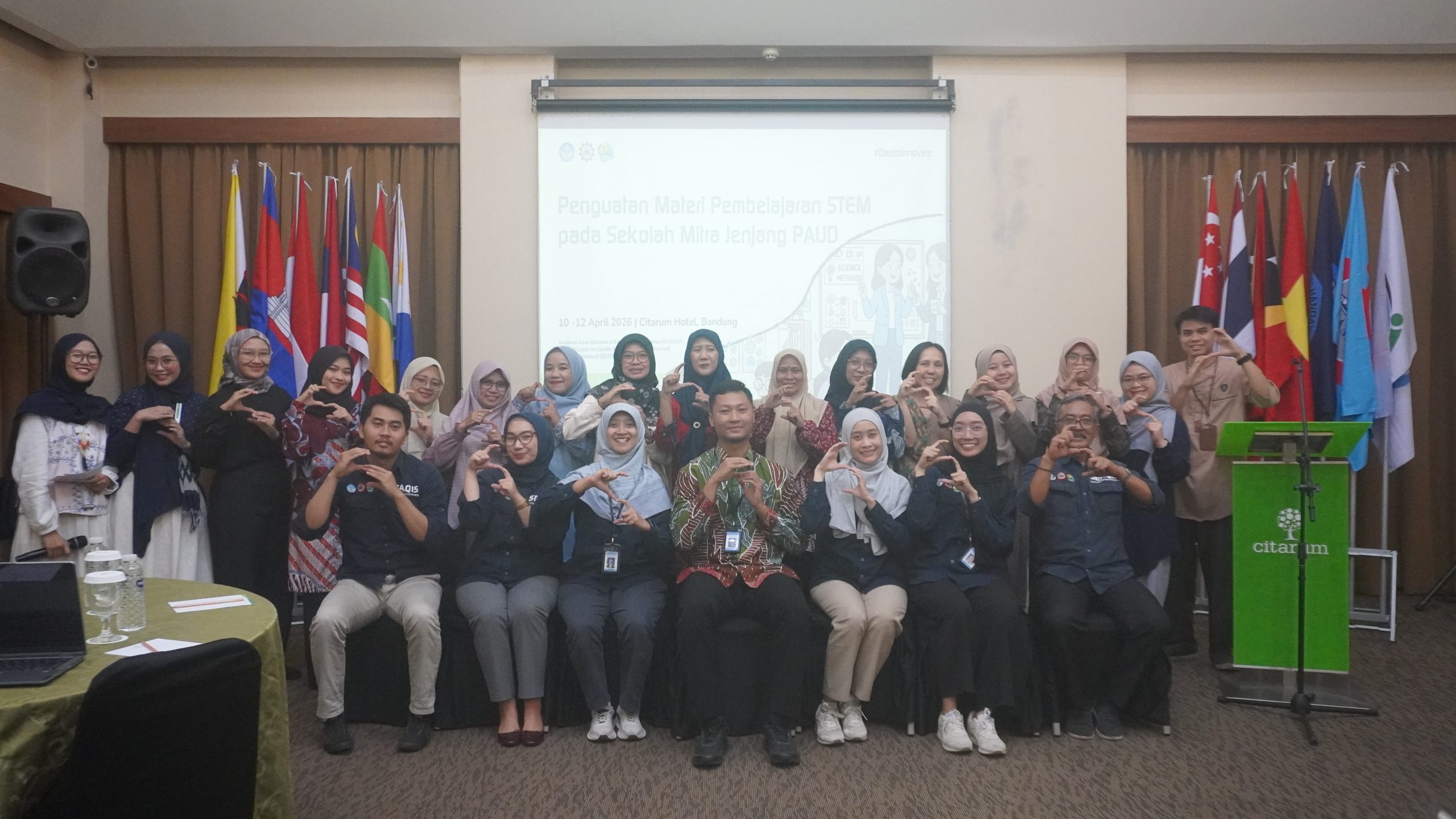
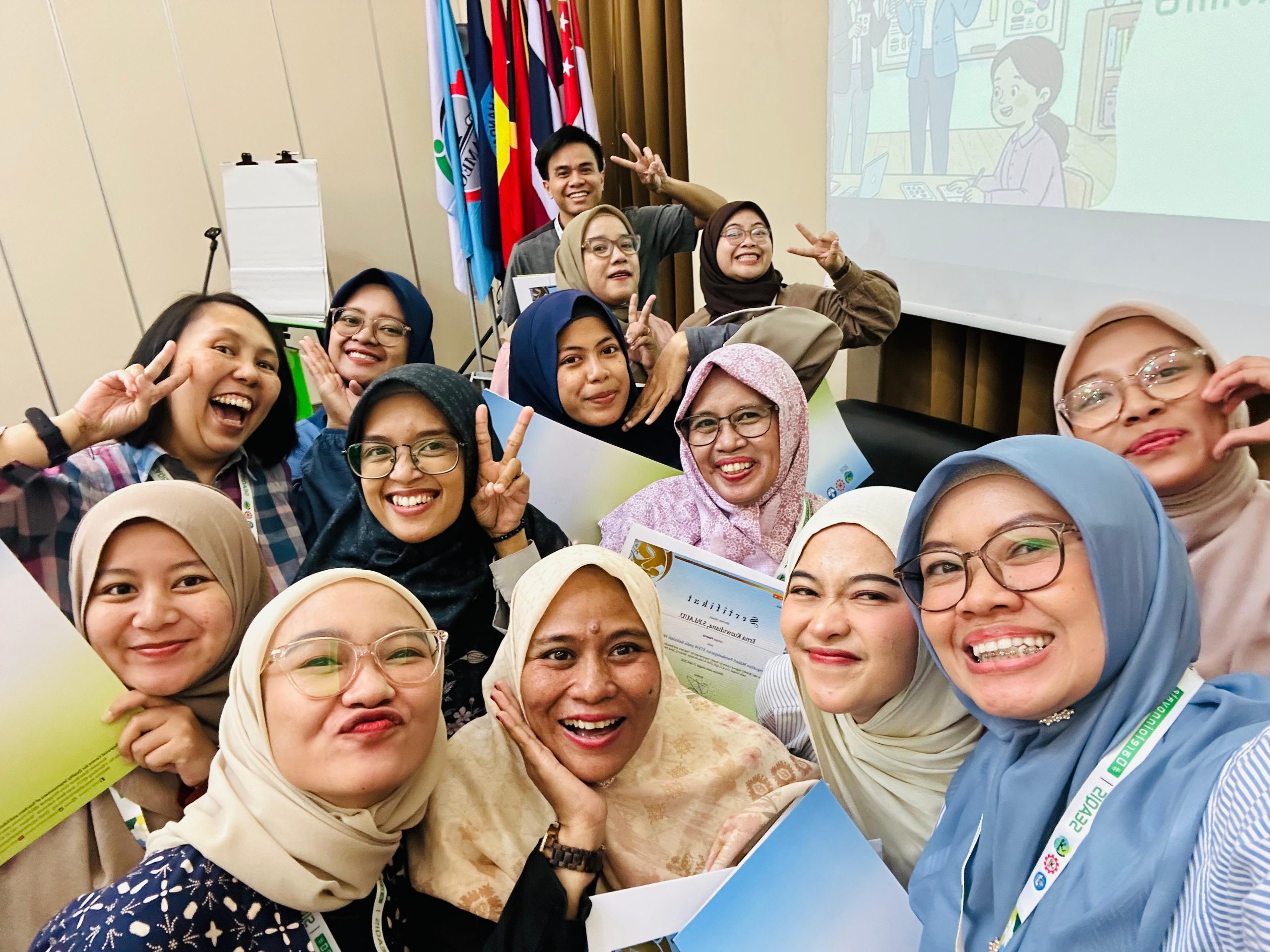
SEAQIS continues to demonstrate its commitment to integrating Science, Technology, Engineering, and Mathematics (STEM) education from an early age. As part of this effort, SEAQIS successfully conducted a three-day training program titled “Strengthening STEM Learning Materials for Early Childhood Education Partner Schools,” held from 10 to 12 April 2026 at Citarum Hotel, Bandung.
As a follow-up to the programme initiated in 2025, this training focused on refreshing and strengthening the competencies of teachers from 16 early childhood education partner schools across Bandung. A total of 15 participants attended the programme, demonstrating strong enthusiasm for exploring innovative teaching methods.
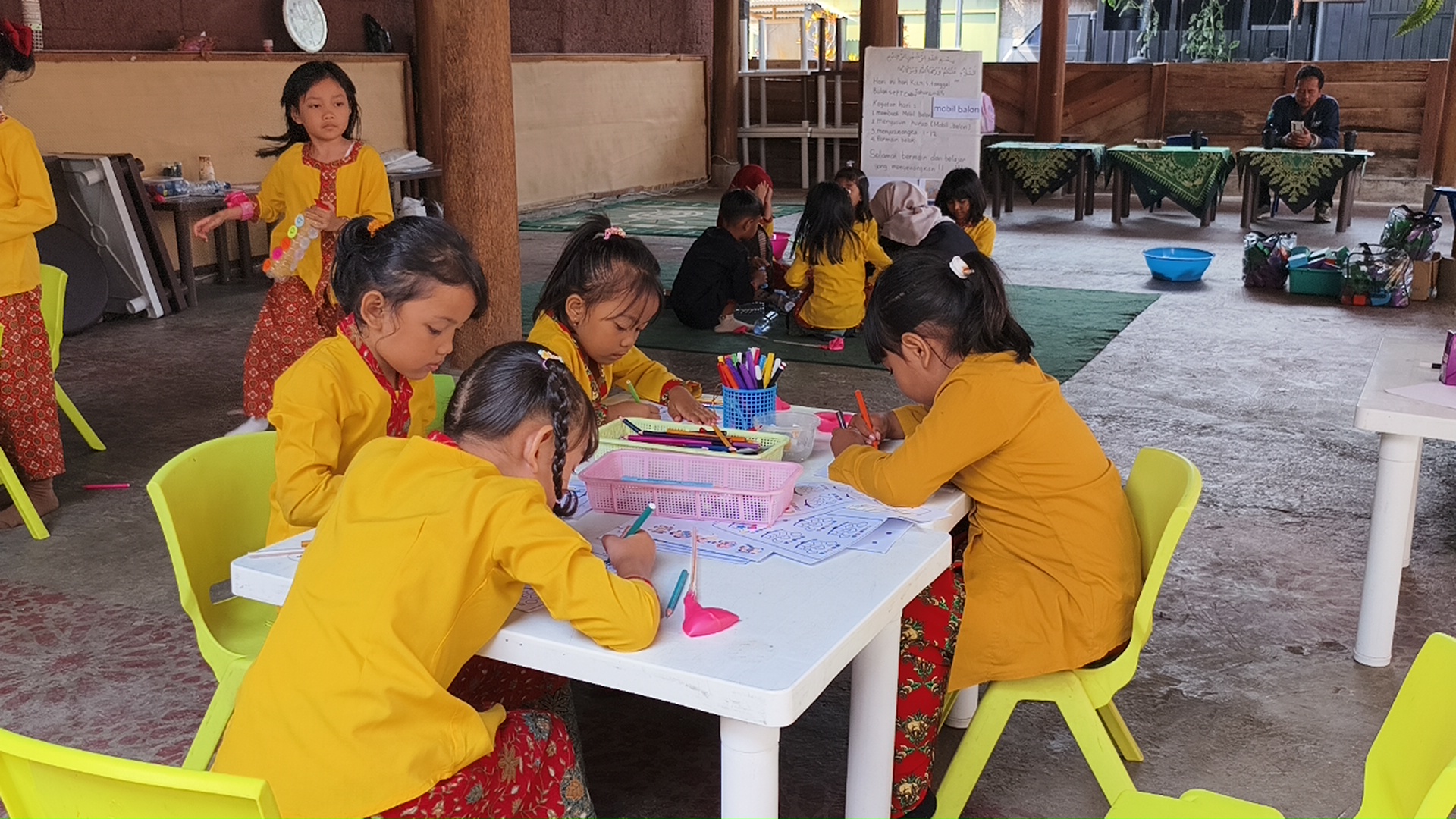
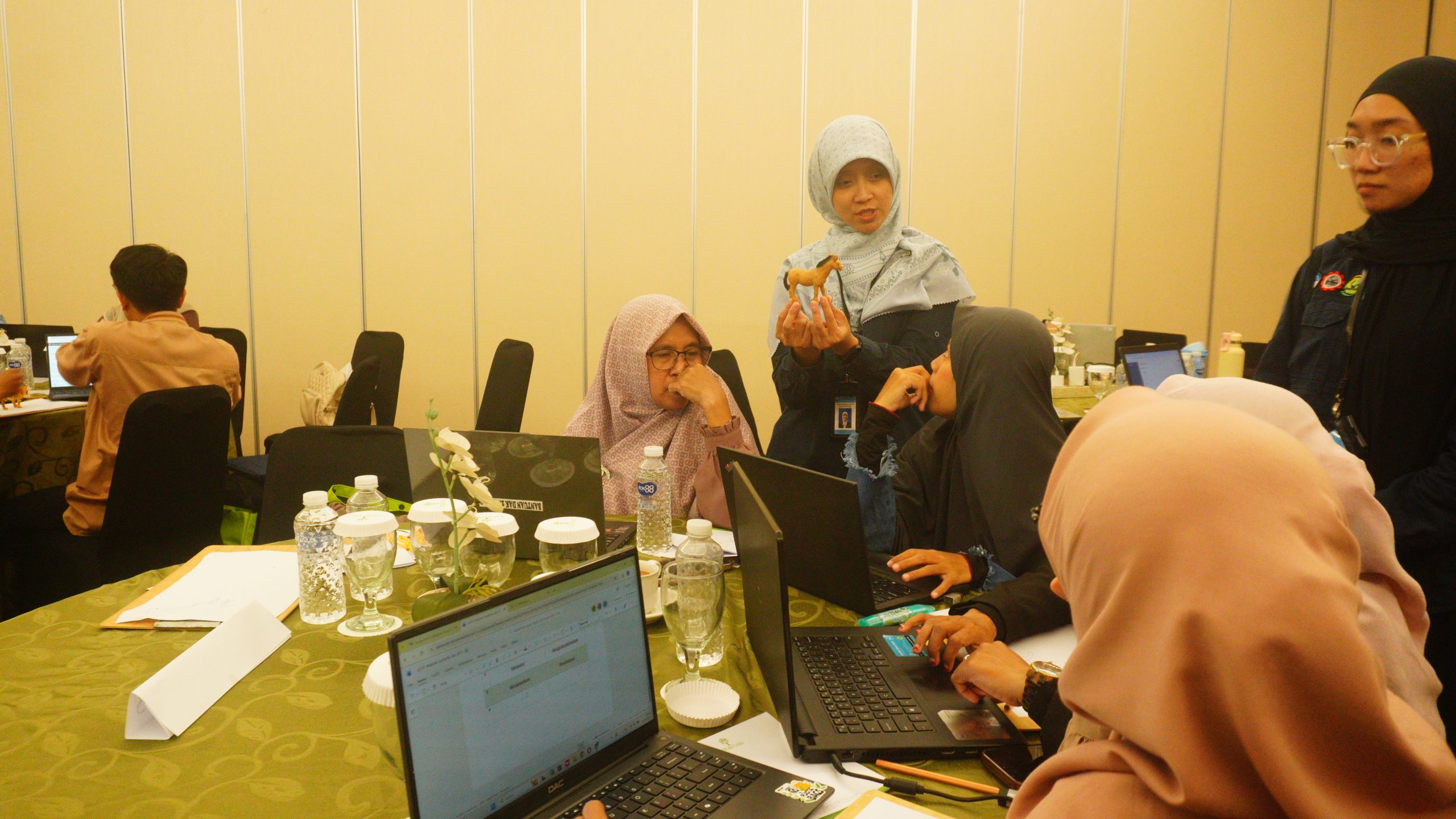
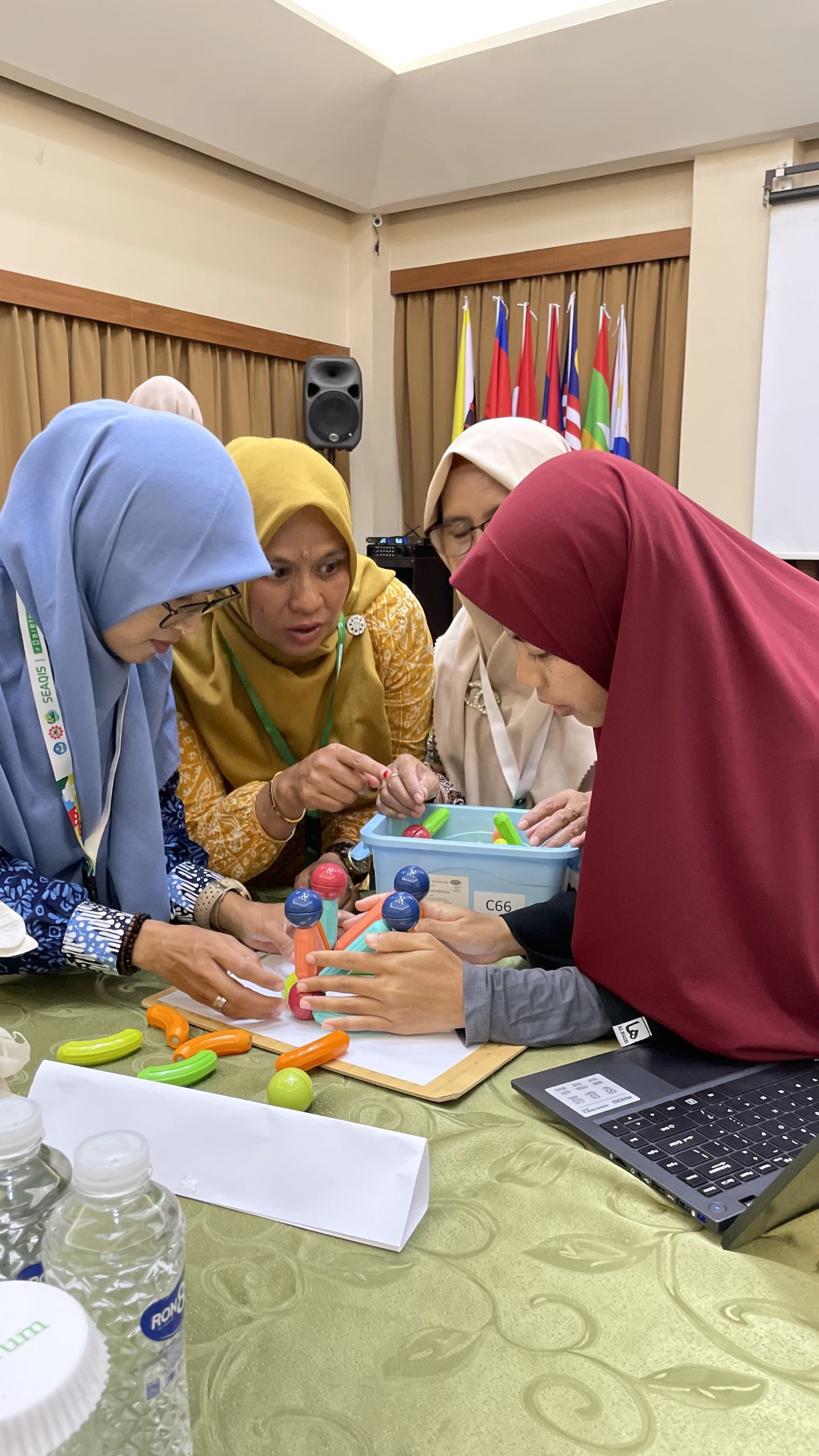
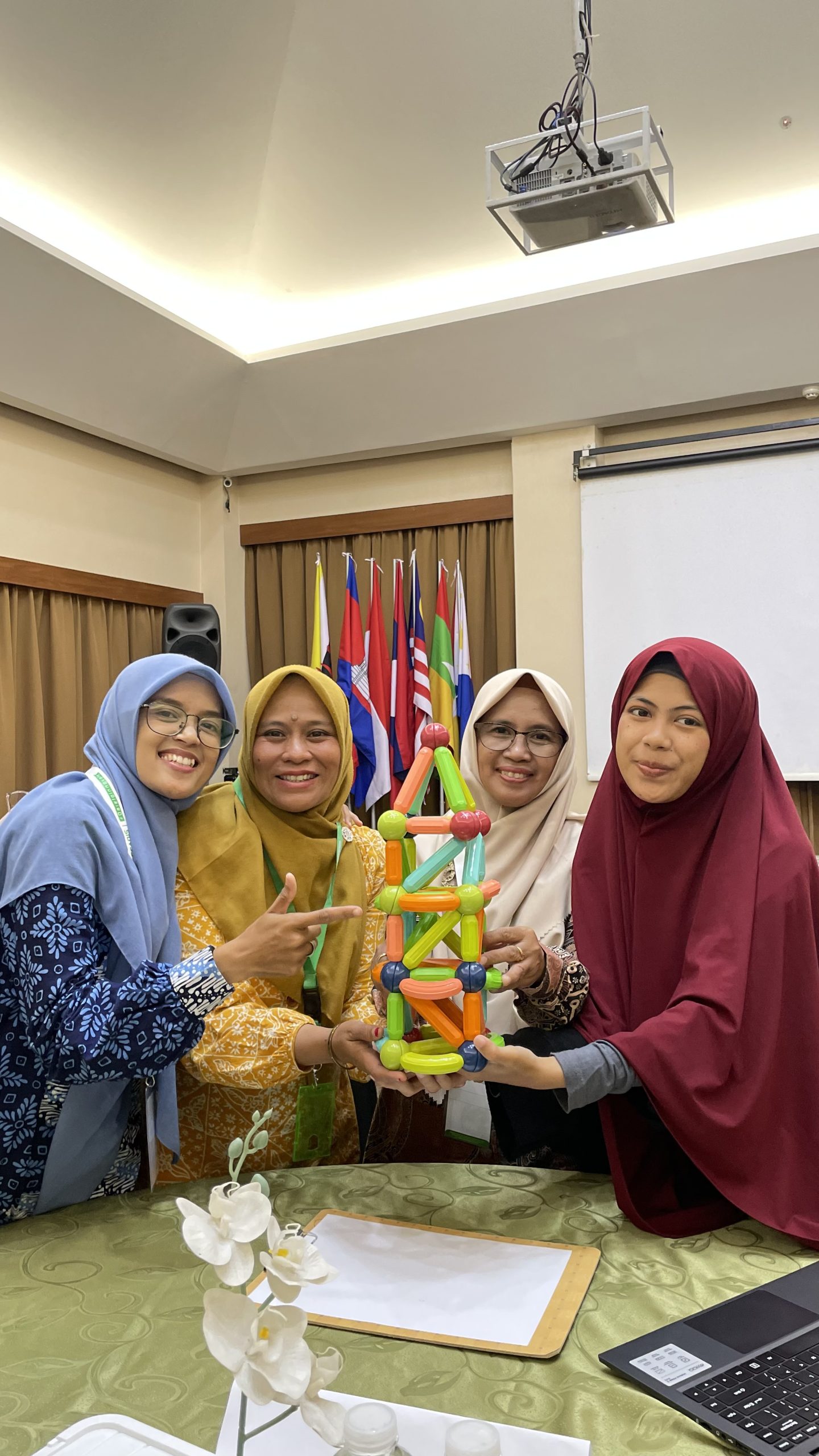
The training was designed as an interactive learning experience that integrated both conceptual understanding and the practical application of STEM learning. Participants were actively engaged in exploratory activities designed to suit the characteristics of early childhood learners. These activities included drawing animals using miniature shadows and assembling magnetic sticks, which helped to stimulate creativity and support the development of fine motor skills.
In addition, participants gained a deeper understanding of the nature of science, science process skills, and the principles and characteristics of STEM learning. The training also strengthened participants’ pedagogical skills, particularly in applying effective questioning techniques and analysing the design and assessment of STEM learning.
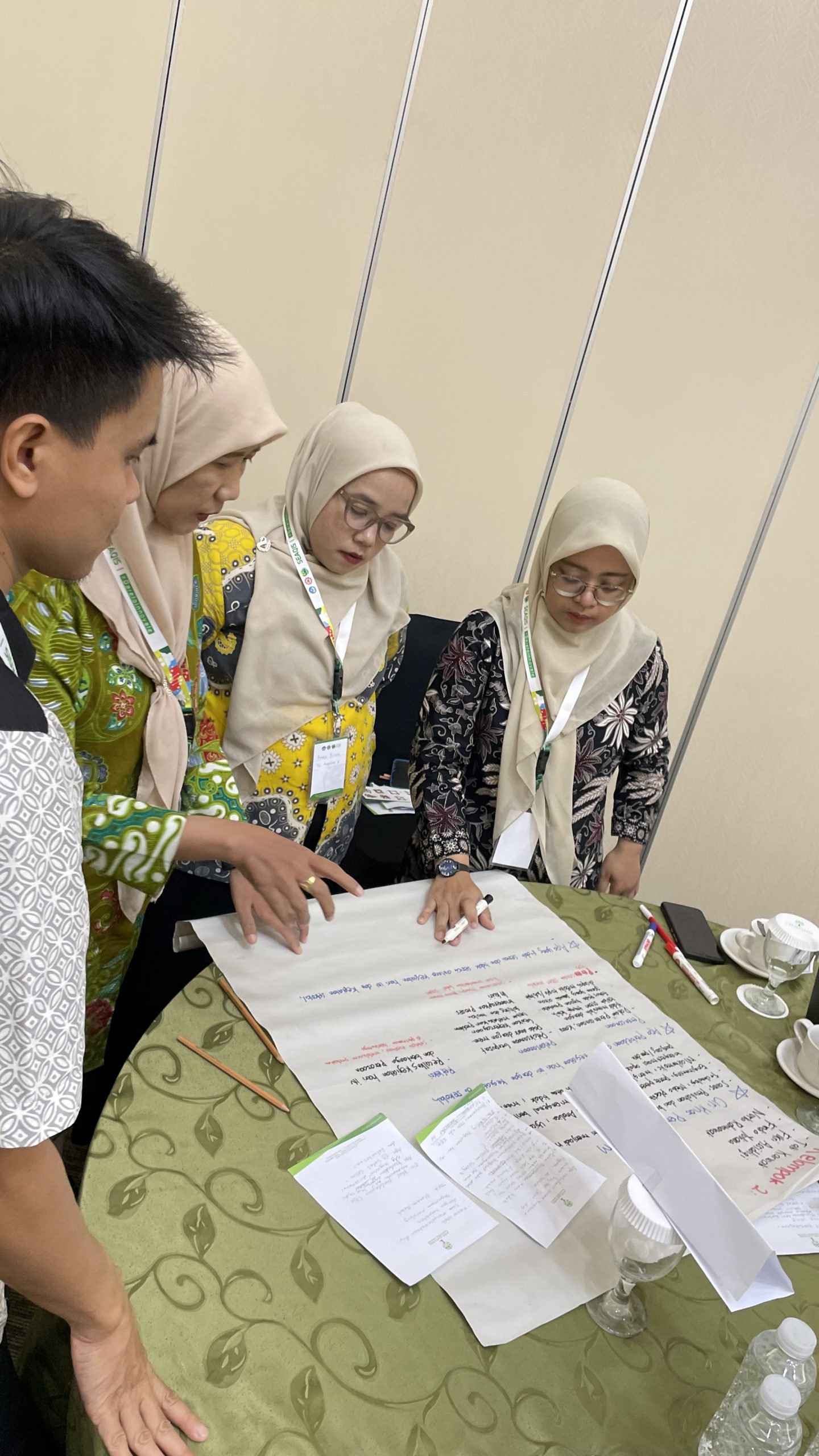
The training aimed not only to enhance participants’ understanding, but also to produce practical outputs in the form of original STEM topics and lesson plans. These outputs are expected to be directly implemented in each participant’s early childhood education institution.
This initiative is supported by SEAQIS’ research on STEM learning in early childhood education, based on training programmes implemented throughout 2025. The findings highlight that play-based and inquiry-driven STEM activities can support children’s development by fostering problem-solving skills, creativity, and persistence, while emphasising the important role of teachers in designing meaningful learning experiences connected to children’s contexts and interests.
Based on these findings, SEAQIS continues to refine its programmes by emphasising hands-on learning, contextualised content, and continuous support for teachers to ensure a sustainable impact in classrooms.
Through this initiative, SEAQIS hopes to continuously expand and sustain best practices in STEM education, enhancing the quality of learning in partner schools, and contributing to the development of a critical and creative future generation.
Written by Salsabila Nadhifah
