
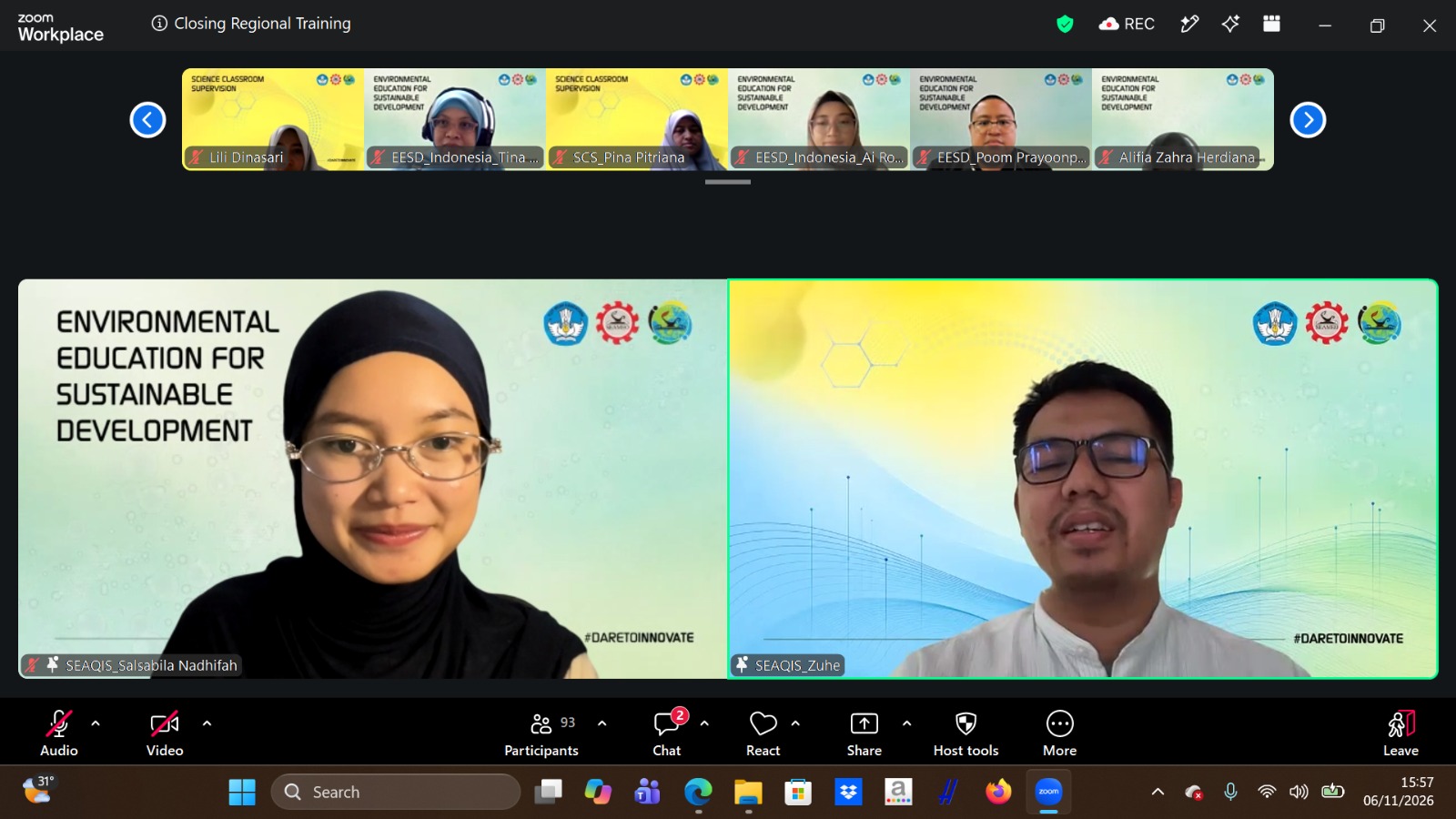
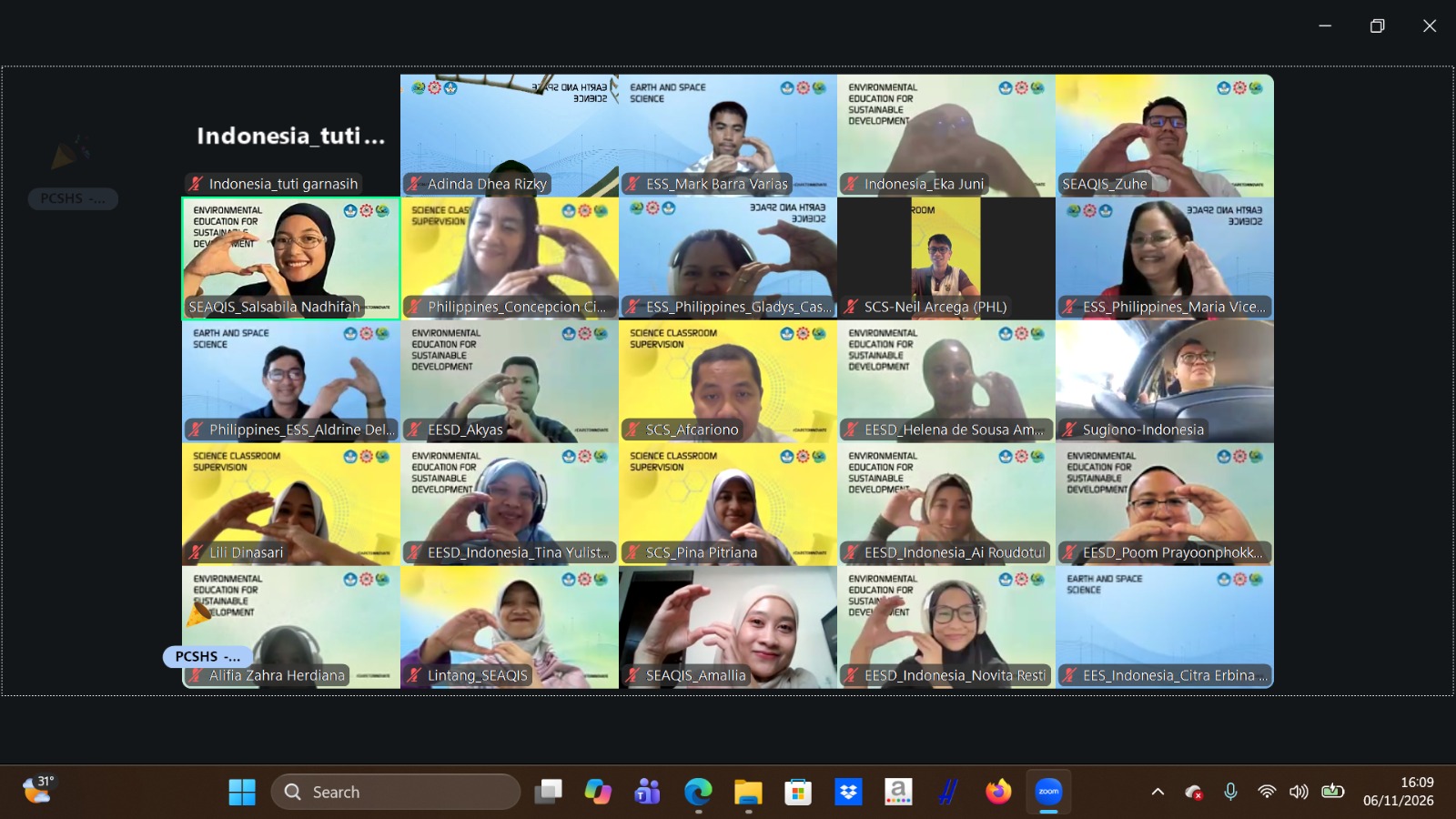

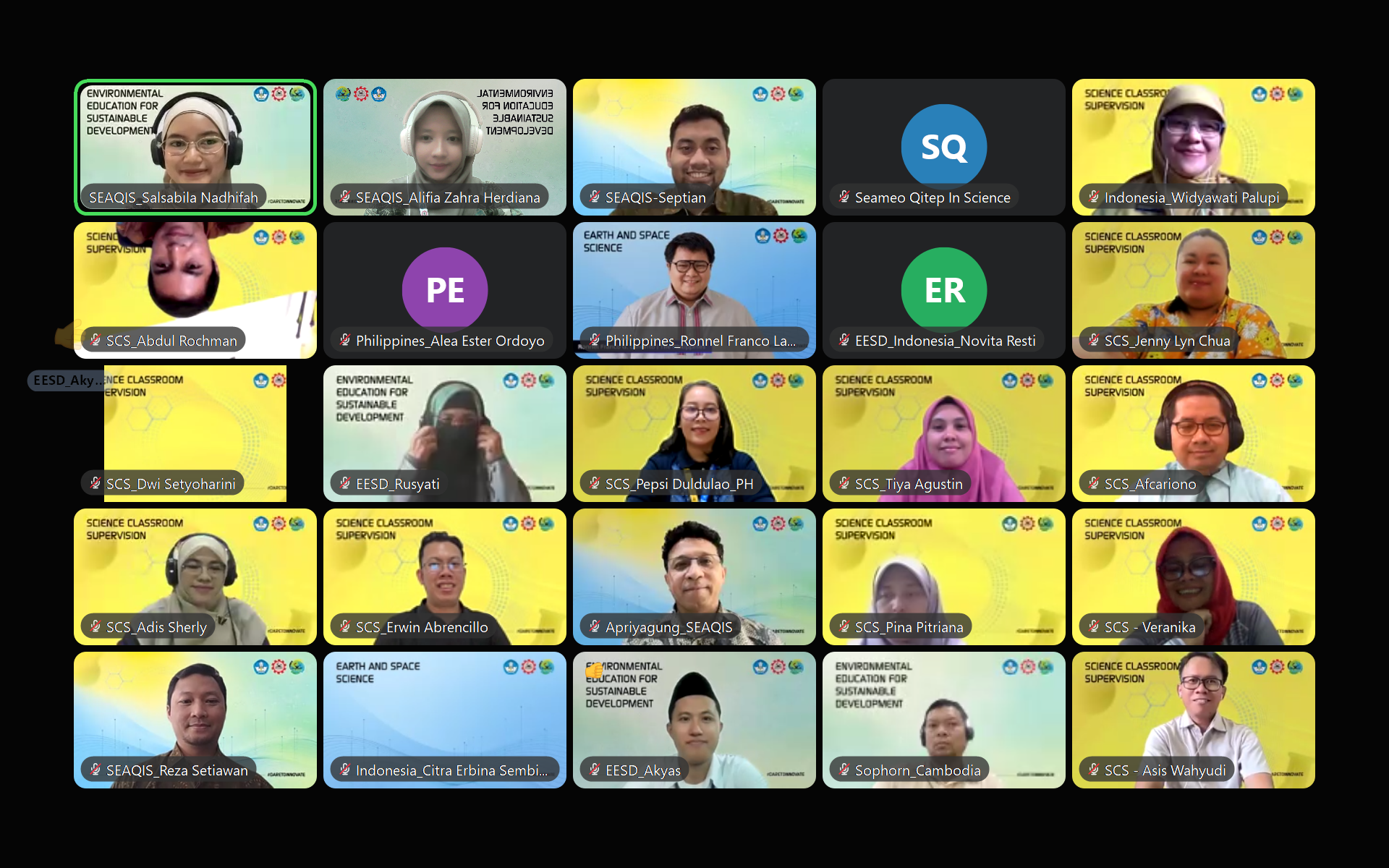
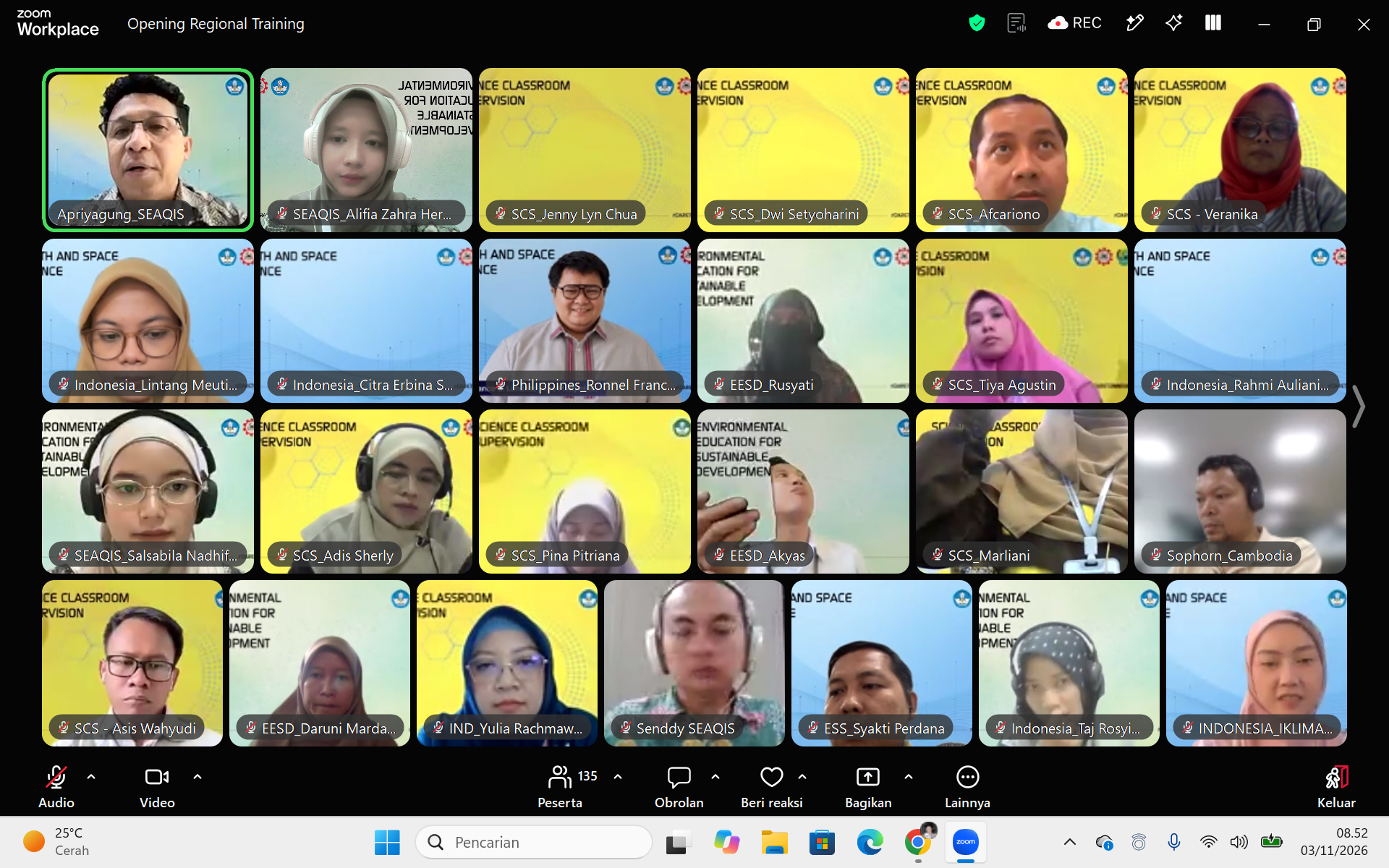
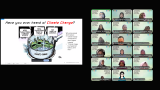
Strengthening teachers’ competencies is an important step towards creating more innovative and relevant learning experiences. In support of this goal, SEAMEO QITEP in Science (SEAQIS) organised Regional Training 2026 from 3 to 6 November 2026, bringing together 150 selected teachers from across Southeast Asia through an online programme.
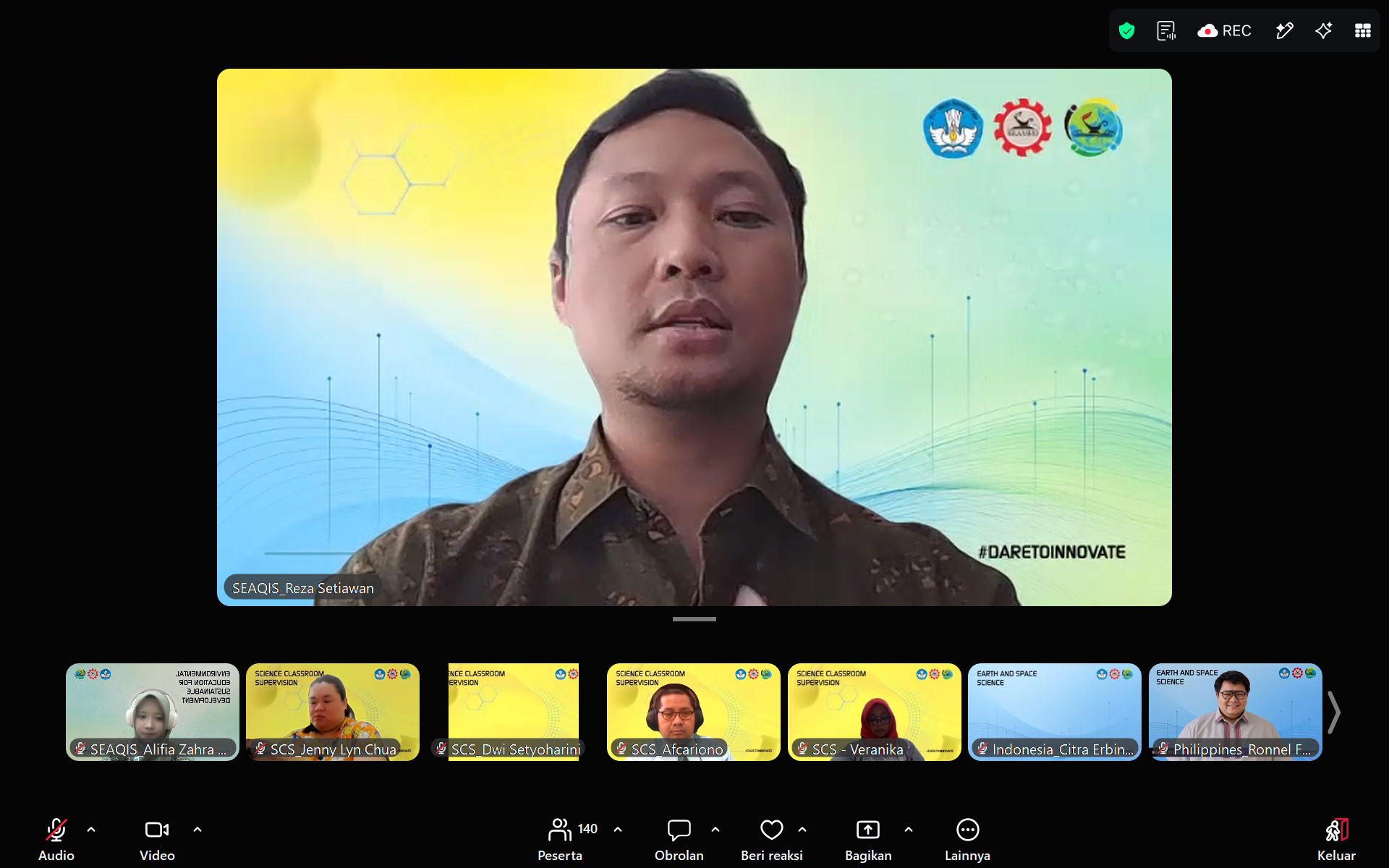
The training was officially opened by Reza Setiawan, Director of SEAQIS, who emphasised the importance of connecting science learning with real-world challenges, and strengthening school leadership to support effective teaching and learning. He also highlighted the need to use artificial intelligence (AI) responsibly while promoting independent thinking among students.
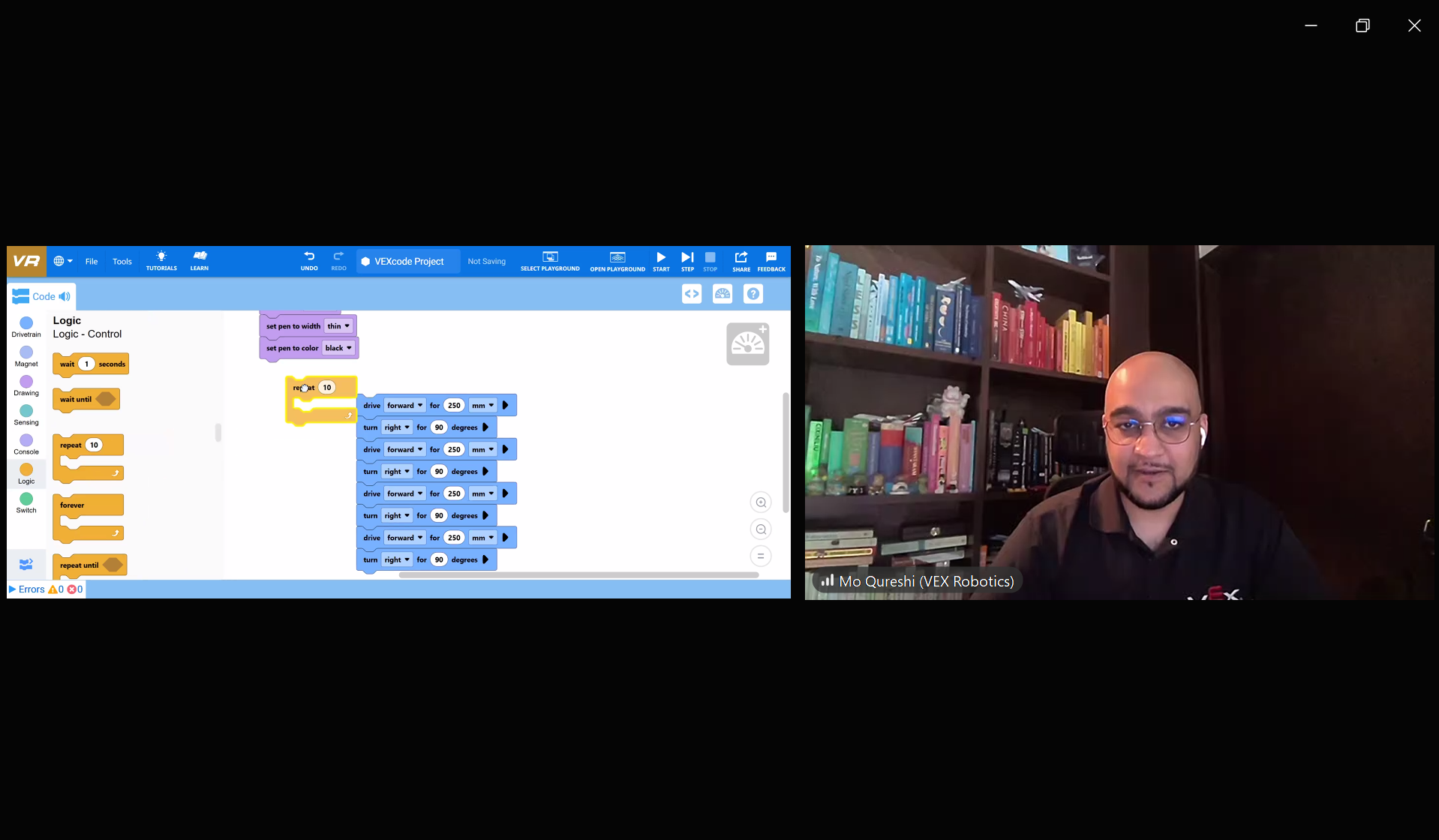
The opening ceremony also featured a session titled Introduction to Virtual Robotics and Computational Thinking for Schools, delivered by Mohammed Qureshi, Director of Business Development for Asia Pacific at VEX Robotics. Mr Qureshi introduced virtual robotics and its application in education, demonstrating how block-based coding, sensors, and AI-powered object recognition can help students develop computational thinking, coding, and problem-solving skills.
The training offered three specialised programmes: Environmental Education for Sustainable Development (EESD), Earth and Space Science (ESS), and Science Classroom Supervision (SCS). Each programme addressed different aspects of education while equipping participants with knowledge and practical approaches to enhance teaching and learning.
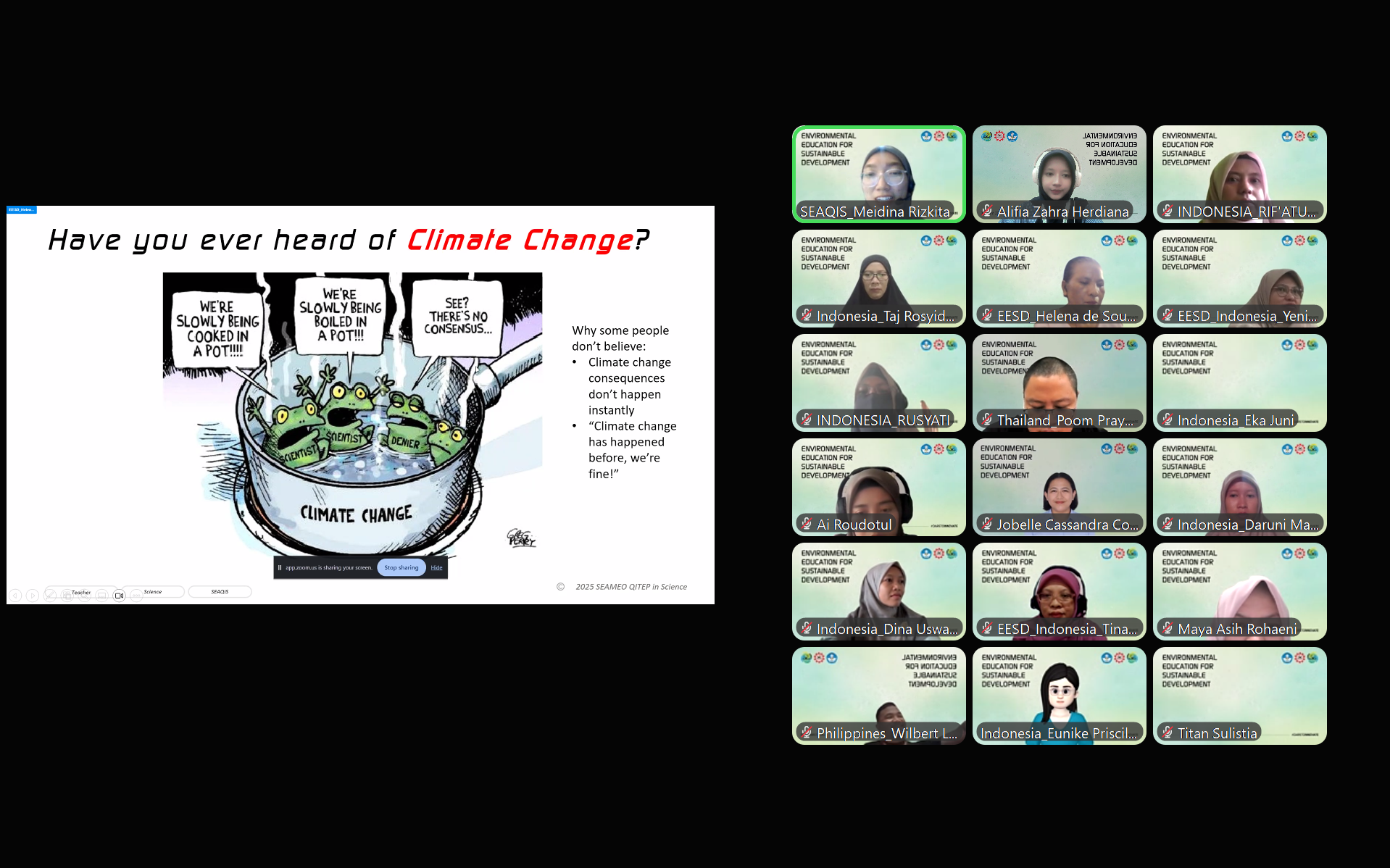
The EESD programme engaged 50 participants from seven countries: Cambodia, Brunei Darussalam, Indonesia, Malaysia, Myanmar, Philippines, and Timor-Leste. Teachers explored key environmental issues, including climate change, biodiversity, and ecosystem services. They also developed learning activities to raise environmental awareness and encourage practical action towards environmental sustainability.
Meanwhile, the ESS programme brought together 50 participants from Indonesia and Philippines. Through this programme, teachers deepened their understanding of Earth’s systems, the atmosphere, and outer space. They also explored Earth observation technologies and data-based learning, including their applications in strengthening disaster preparedness.
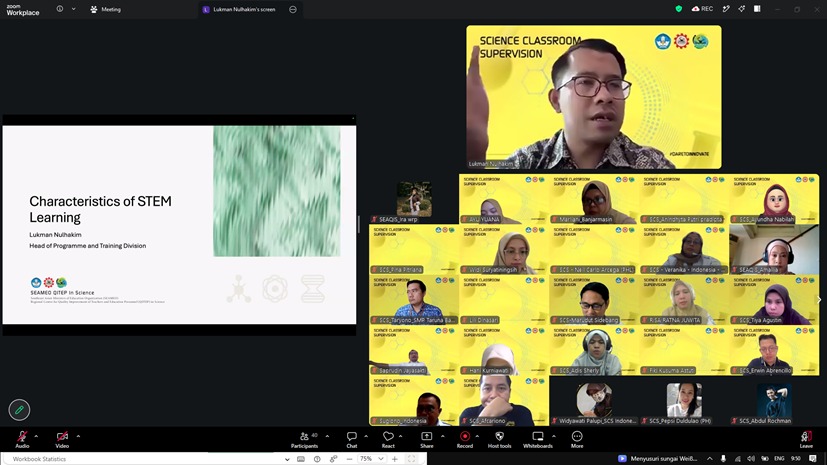
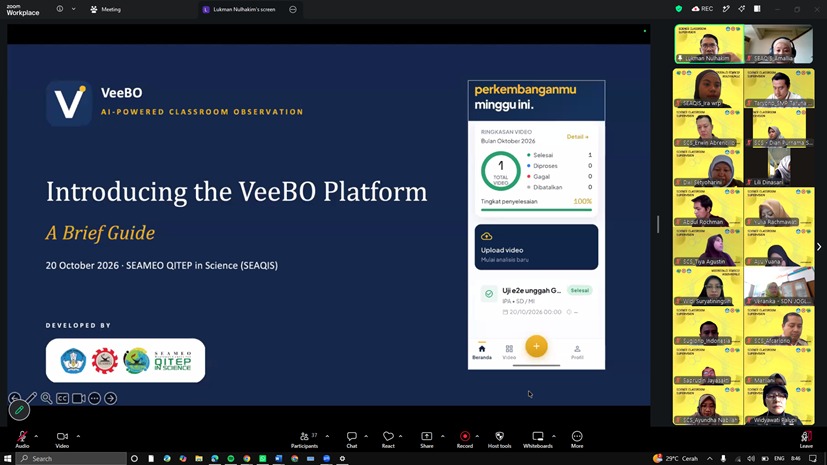
The SCS programme involved another 50 participants from Indonesia, Malaysia, and Philippines. Designed for school principals and supervisors, the programme explored current trends in science education, the use of AI, STEM learning, and supervision strategies to support more effective teaching and learning.
During the closing session, Adi Sherly from Indonesia highlighted the valuable knowledge gained, hands-on activities, and networking opportunities, particularly in improving teacher supervision practices. Meanwhile, Maria Vicenta Galvez from Philippines, Best Participant in Earth and Space Science, expressed her gratitude for the opportunity and highlighted the importance of lifelong learning and embracing new teaching approaches.
Through these three programmes, SEAQIS continues to support teachers in strengthening their competencies and broadening their perspectives on education. By connecting knowledge with practical applications, the training encourages participants to bring innovative and relevant learning experiences into their classrooms, schools, and communities across Southeast Asia.
Written by Salsabila Nadhifah
