
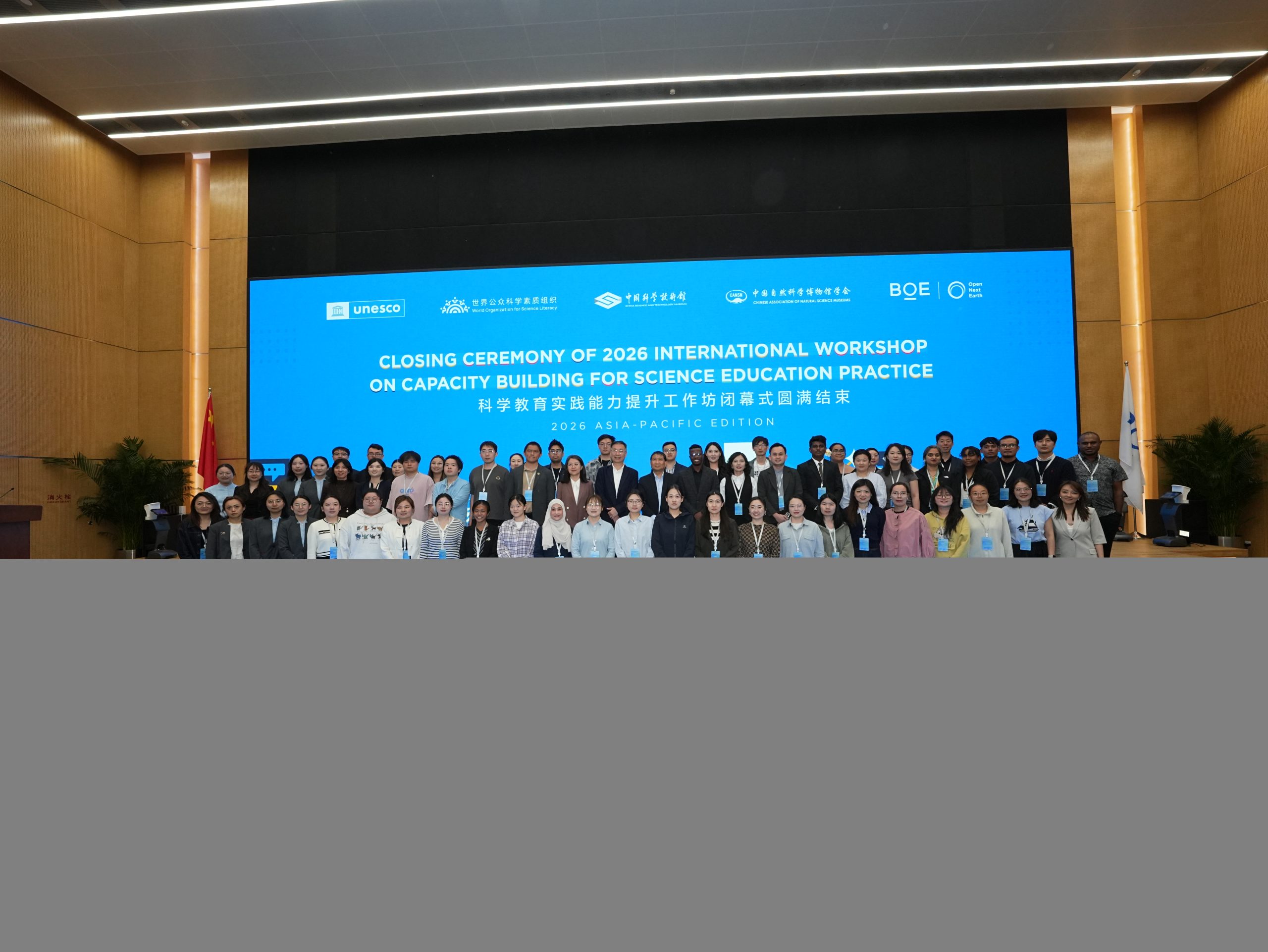
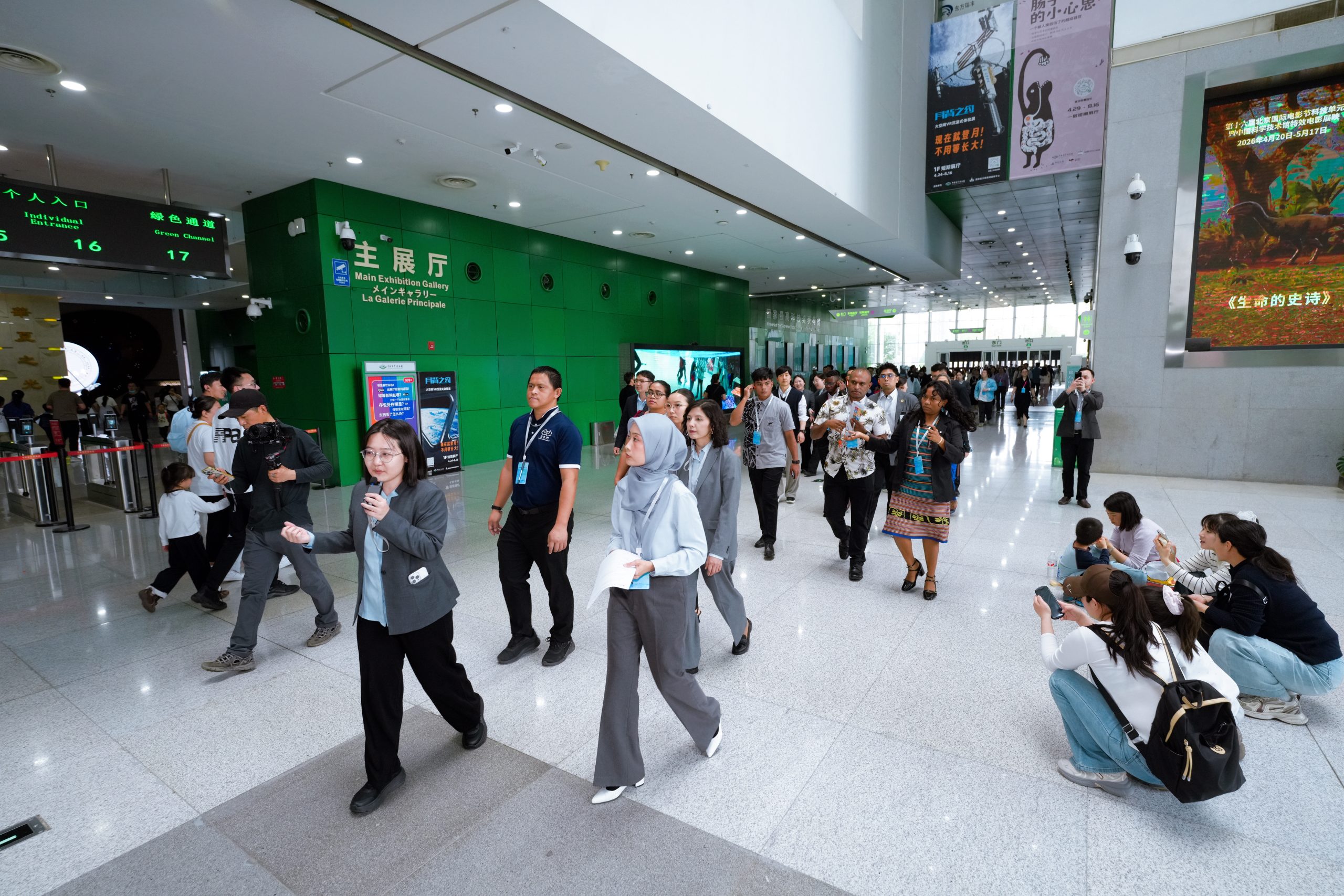
As part of its commitment to advancing science education, SEAQIS participated in the International Workshop on Capacity Building for Science Education Practice and the Launch of the UNESCO Science Clubs Network Asia-Pacific Edition. The event was held in Beijing, China, from 24 to 29 April 2026. This prestigious activity was the result of a strategic collaboration between UNESCO, the China Science and Technology Museum, and BOE Technology Group Co., Ltd.
The workshop was designed as a platform for educators to explore best practices in science education, with a specific focus on developing curricula that are relevant, inclusive, and adaptive to the latest technological developments. Over the course of six days, participants were involved in a series of intensive sessions covering crucial topics, such as the integration of Artificial Intelligence (AI) in education, Project-Based Learning (PBL) methods, and STEAM (Science, Technology, Engineering, Arts, and Mathematics) curriculum design.
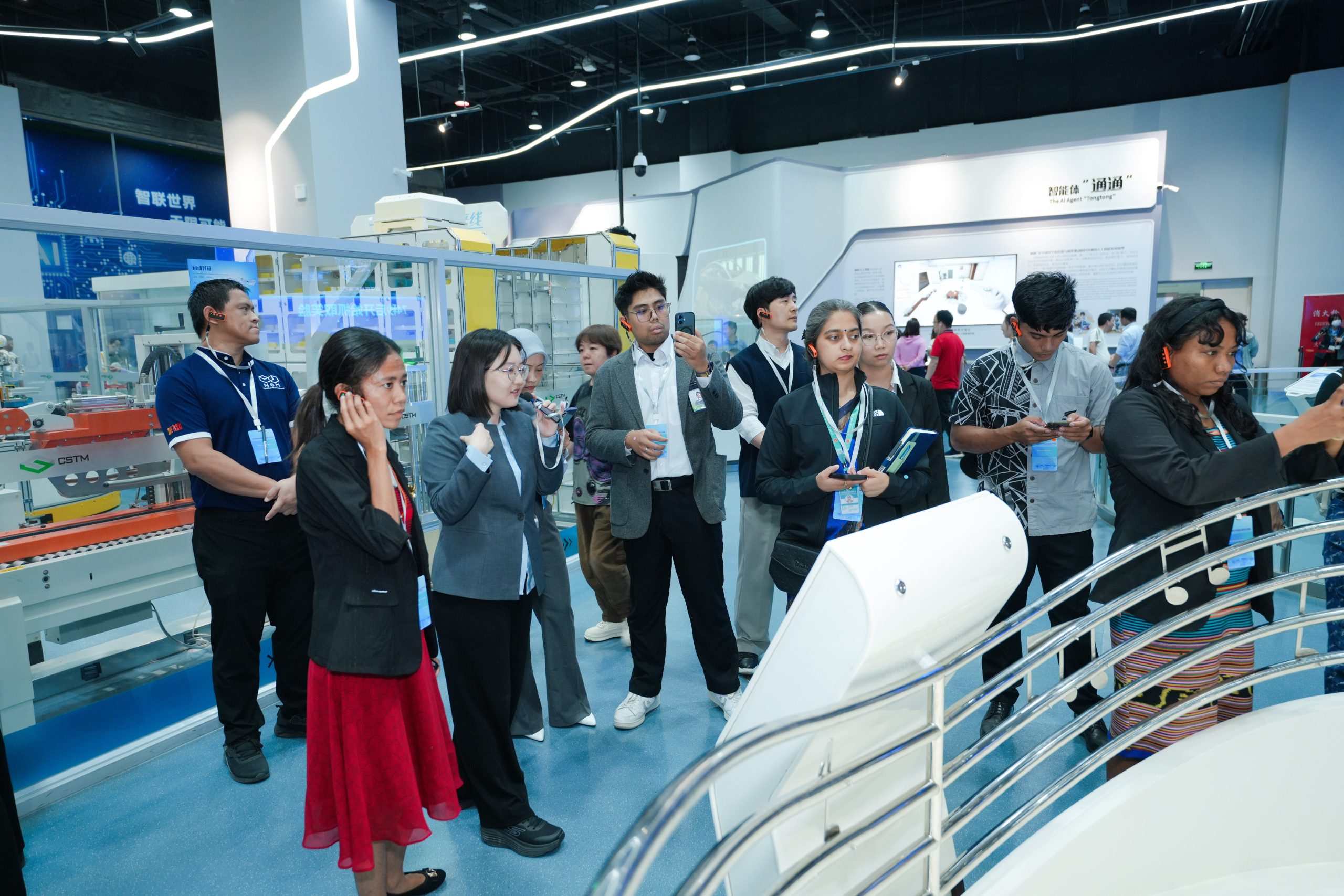
The programme included not only theoretical discussion sessions but also provided hands-on experience through practical workshops and exhibition hall visits to the China Science and Technology Museum, as well as BOE Technology Group Co., Ltd. These exhibition visits were linked to the design of science activities aligned with the UN Sustainable Development Goals (SDGs).
In the sessions focusing on AI, participants explored how technologies such as big data and artificial intelligence algorithms, including those used in modern package-sorting systems, can serve as compelling case studies for students. Through this approach, educators were encouraged to move beyond simply teaching technology and instead foster a critical mindset in facing the future AI revolution.
The activity also emphasised the importance of teacher collaboration through peer feedback and self-reflection mechanisms, a method expected to be applied more broadly within the educational environment in Southeast Asia.
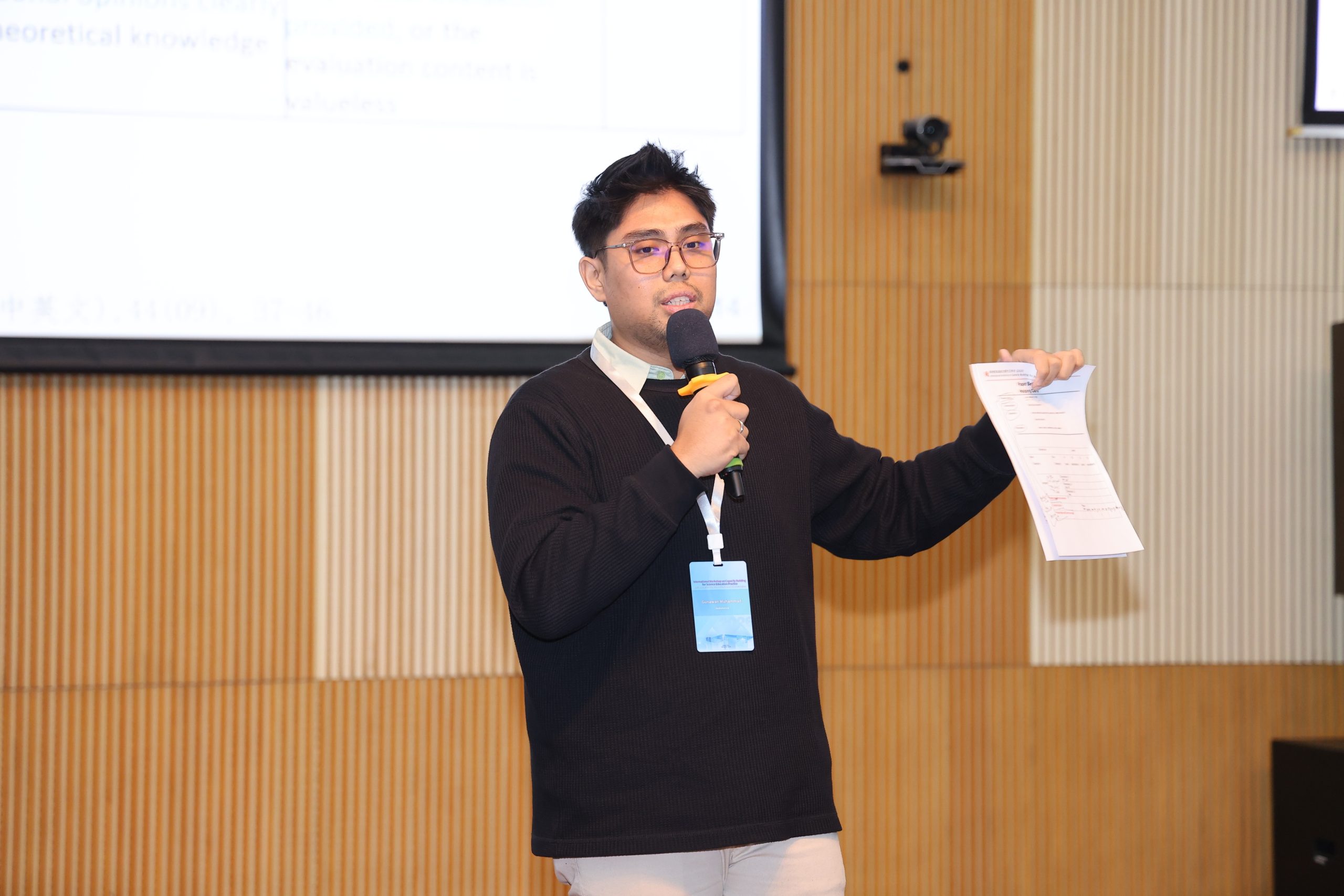
“I hope I can bring students here. I think the biggest difficulties in promoting STEM in our areas are funding, infrastructure and expertise. And with this network there are many opportunities to handle that,” said Gunawan Muhammad, a representative of SEAQIS.
Echoing this sentiment, another SEAQIS representative, Amallia Yuliana, highlighted the profound impact of the exhibition experience on curriculum design. “Seeing how advanced technological concepts can be translated into engaging, interactive museum exhibits opened our eyes to new pedagogical possibilities. This experience has inspired us to design highly motivating ‘driving questions’ that will connect classroom science seamlessly with real-world applications,” she added.
At the end of the programme, there was a group project presentation session where participants showcased the innovative science activity designs they had developed during the workshop. This experience is expected to serve as a valuable asset for SEAQIS in strengthening teacher capacity-building programmes and expanding international networks to improve the quality of science education globally.
Writers: Amallia Yuliana and Salsabila Nadhifah
