
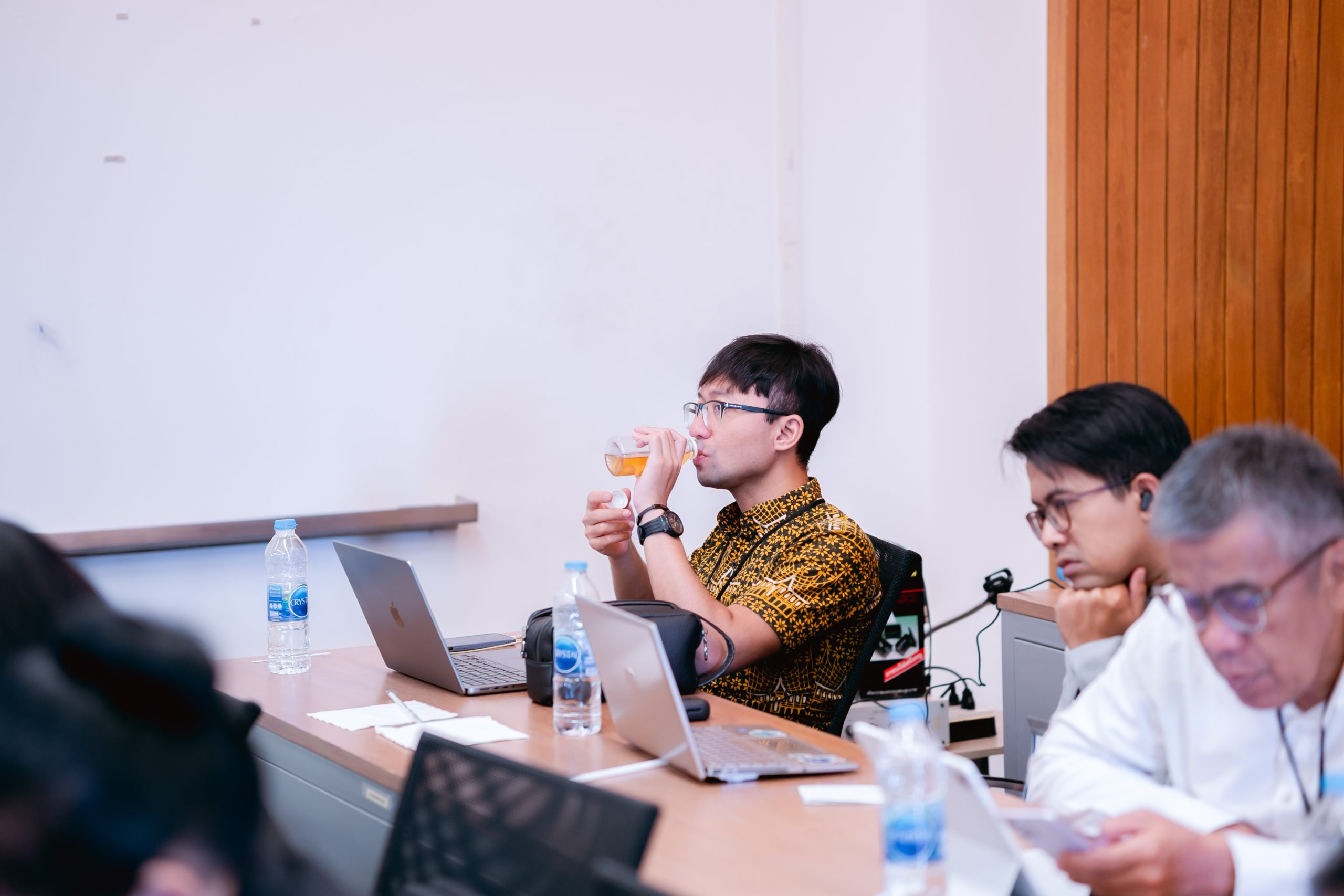
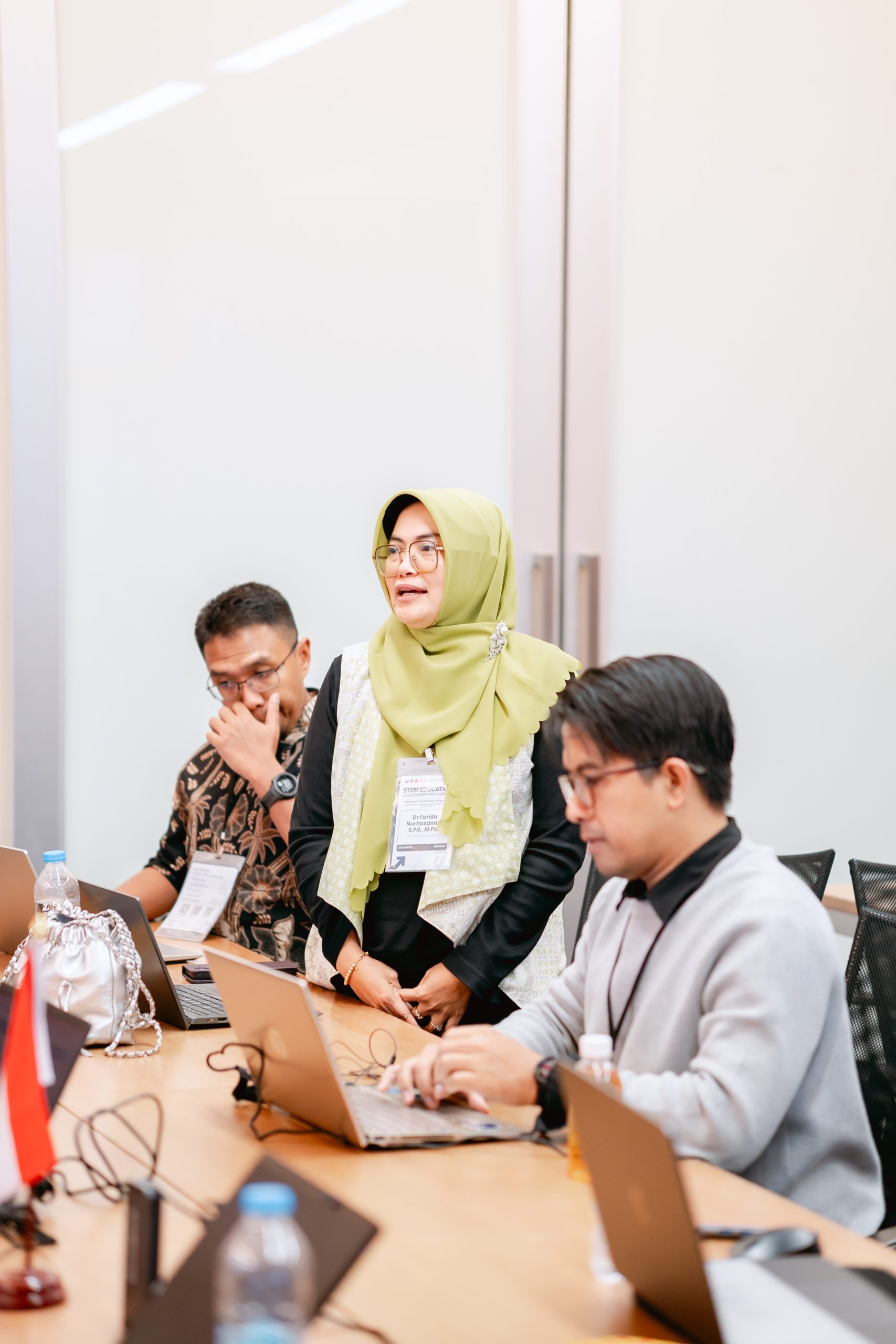
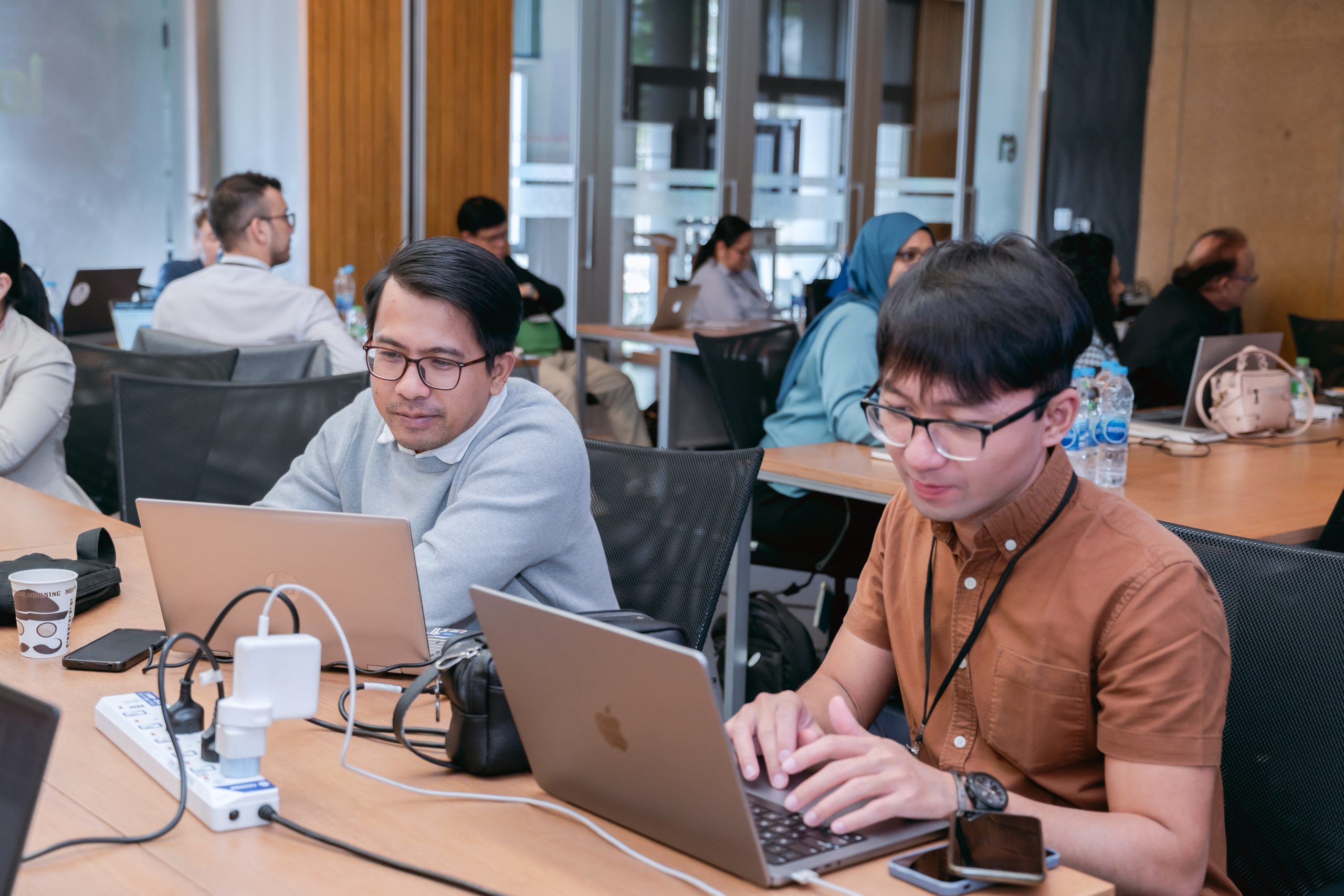

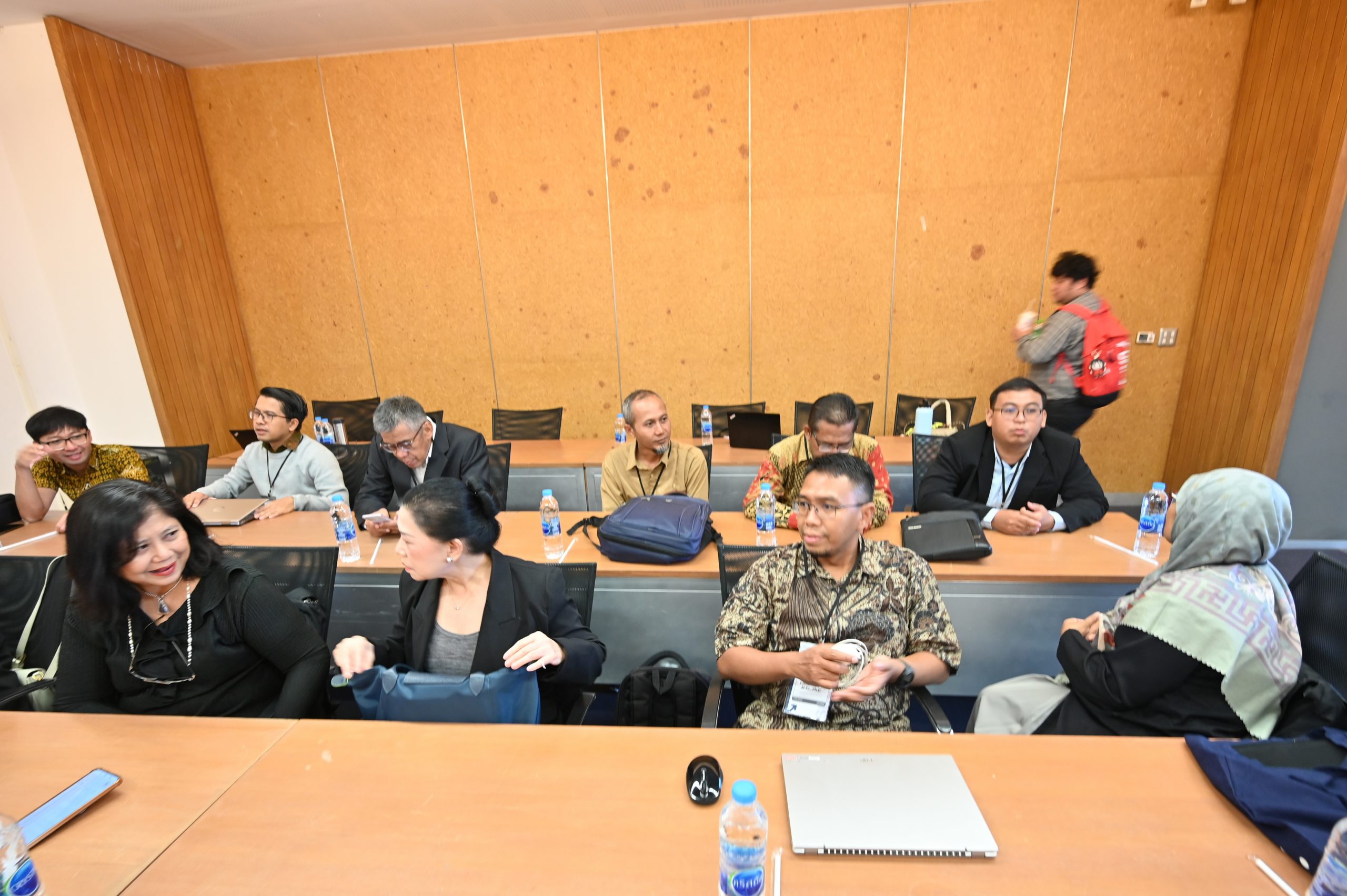
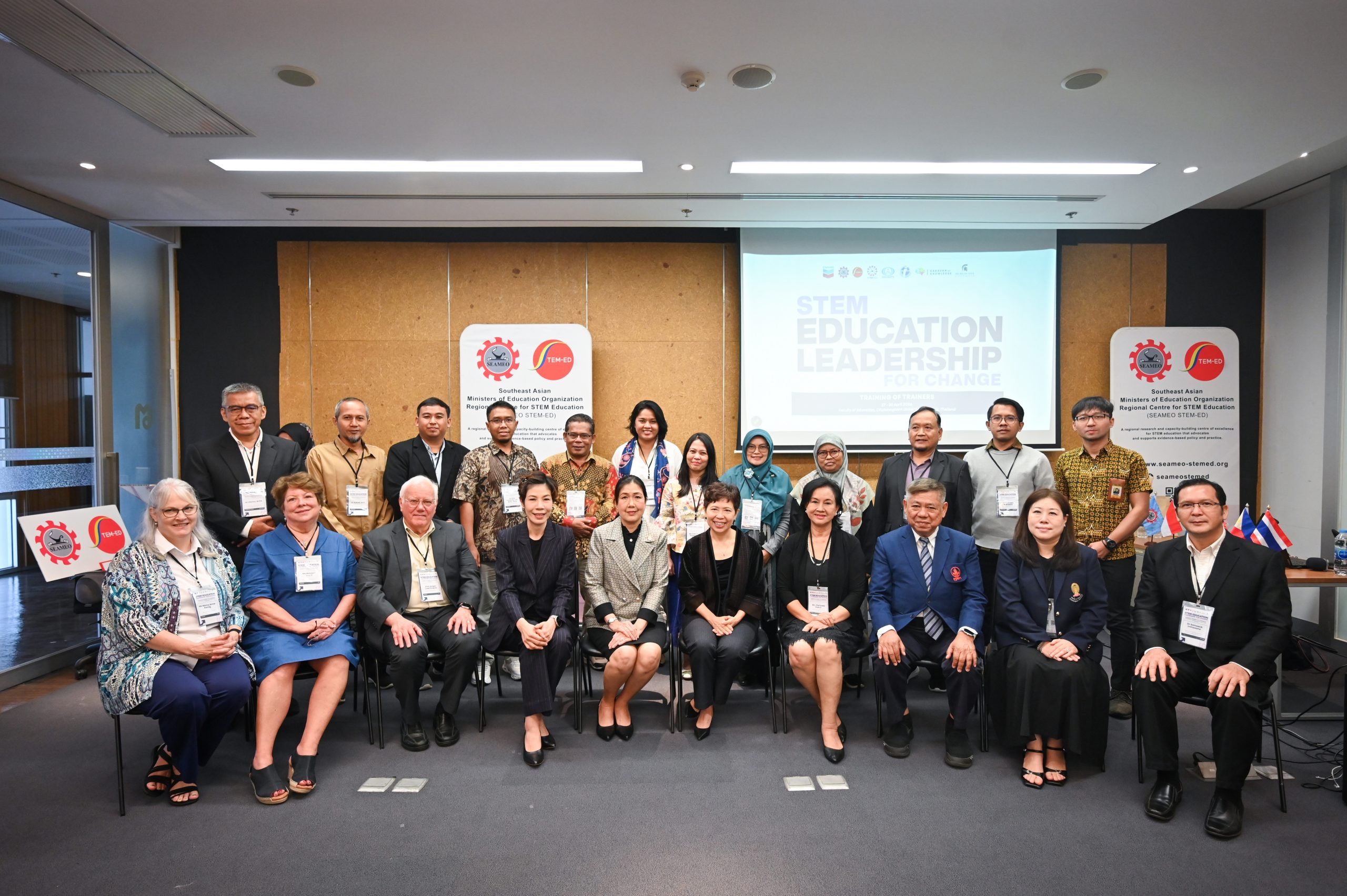
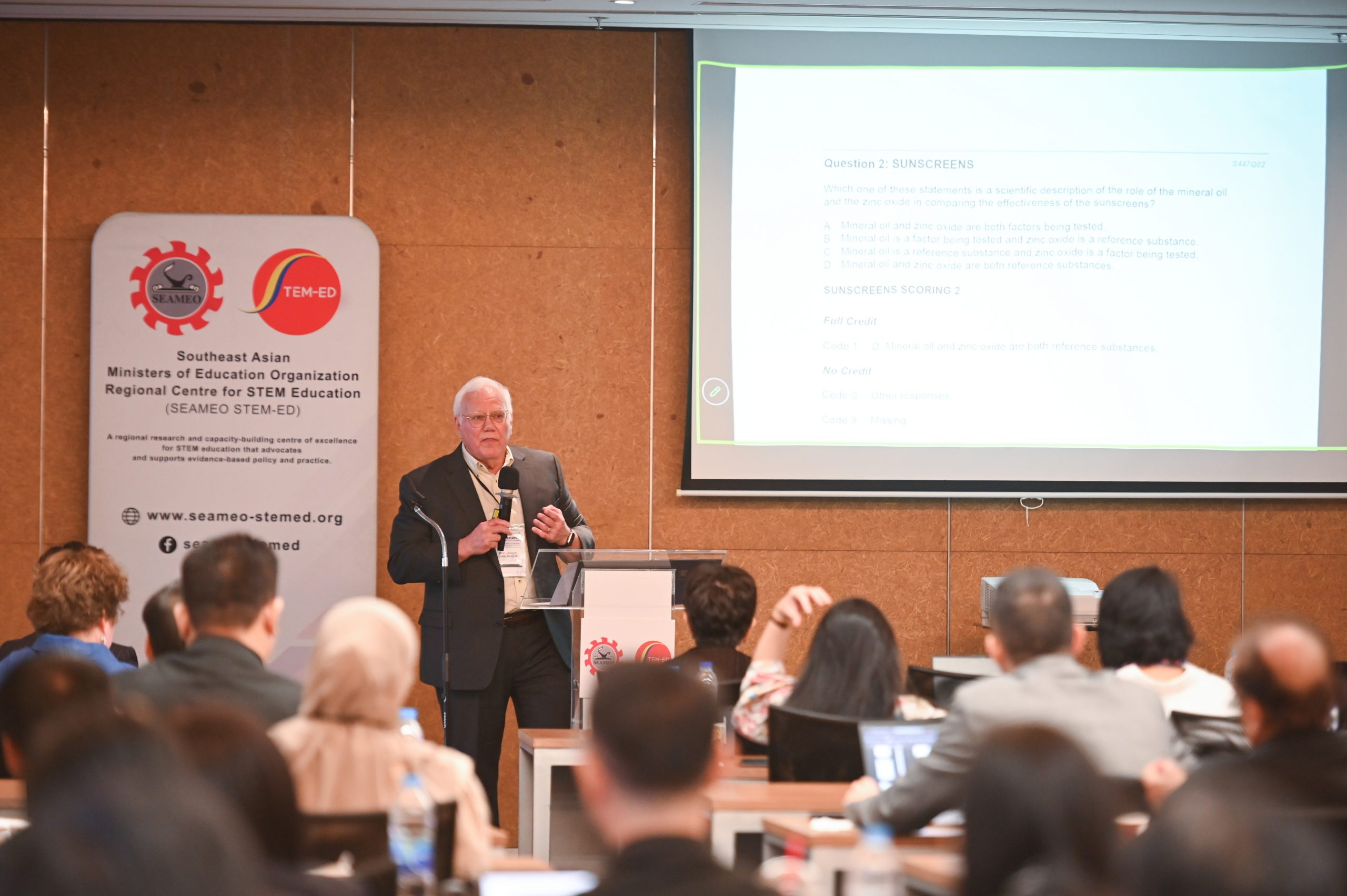
As part of its ongoing commitment to advancing STEM education in Indonesia and across Southeast Asia, SEAQIS took part in the STEM Education Leadership for Change Programme Training of Trainers (ToT) Workshop held at Chulalongkorn University from 27 to 30 April 2026. Representing SEAQIS in the programme was Lukman Nulhakim, who joined educators and STEM leaders from across the region in exploring innovative approaches to transformative STEM education leadership.
The programme aimed to strengthen teacher and leadership capacity in delivering high-quality STEM education that nurtures inquiry, problem-solving, and scientific reasoning. One of the key focuses of the initiative was the establishment of a network of expert trainers who will lead professional development programmes for teachers and school leaders across the region.
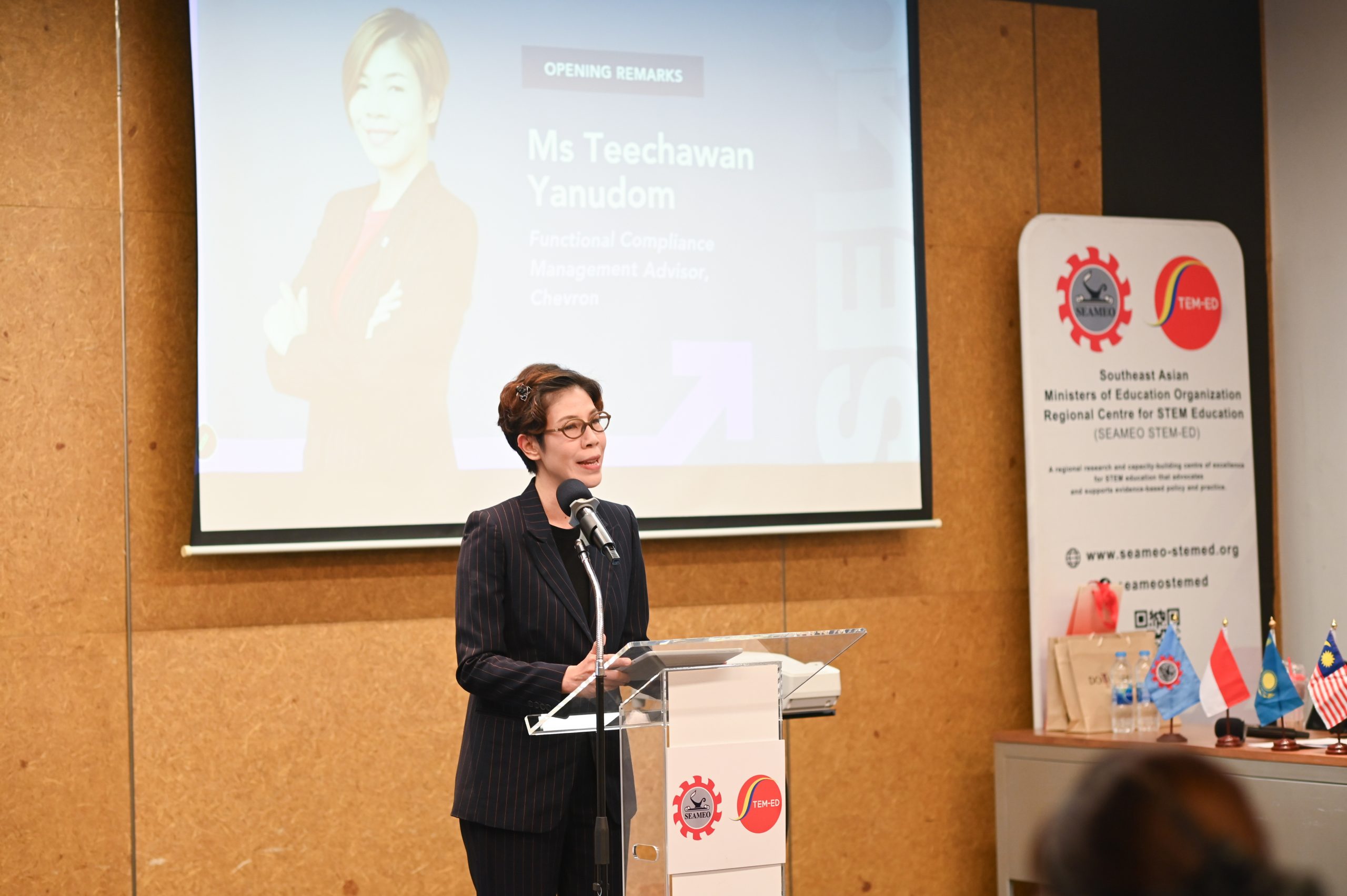
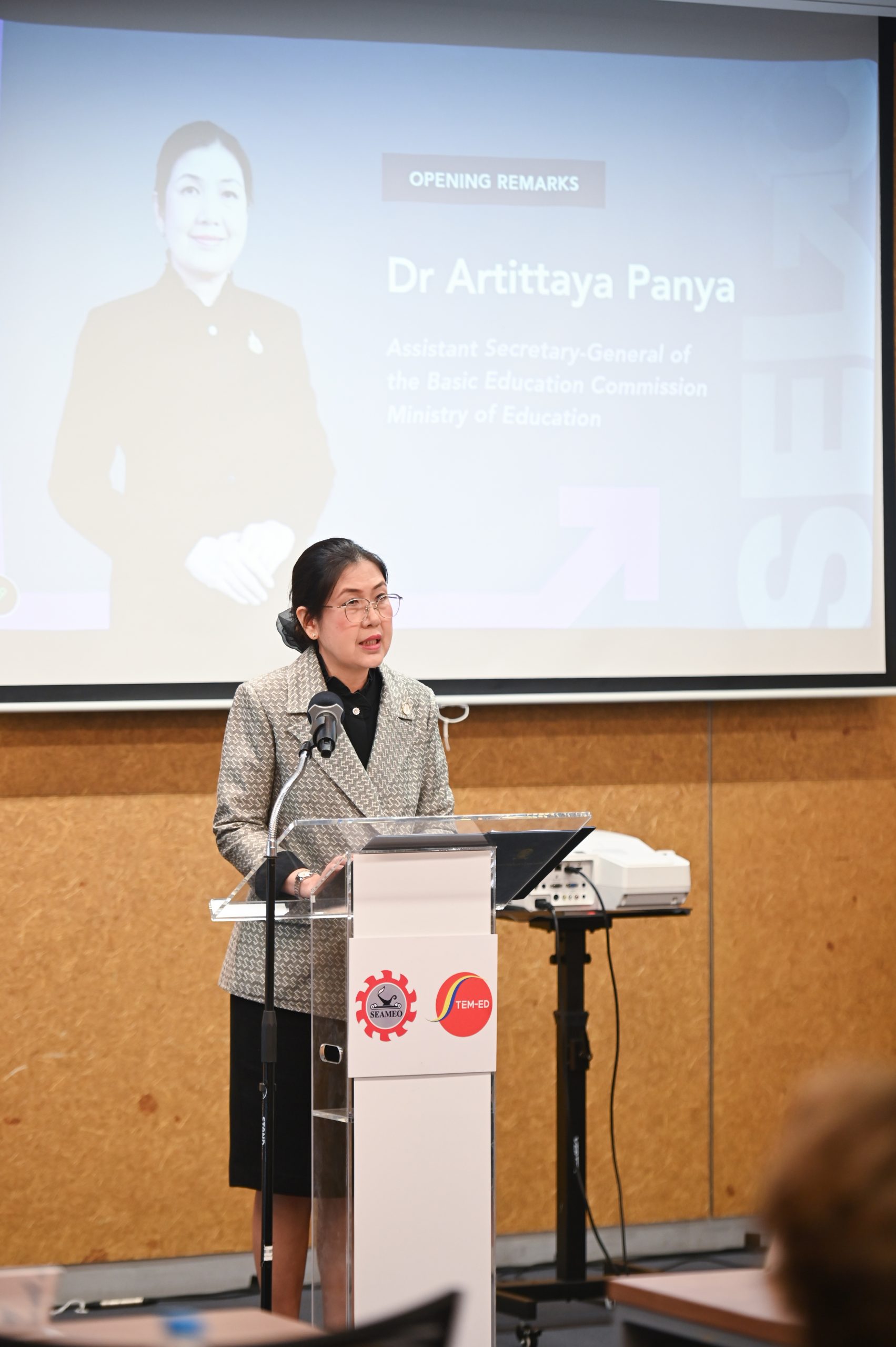
The workshop was officially opened by Dr Phichet Phophakdee, Secretary-General of the Basic Education Commission, Ministry of Education, Thailand. In his remarks, he expressed hope that the programme would encourage the co-creation of professional learning resources, support the collaborative development of training modules and delivery approaches, and strengthen institutional partnerships among the Ministry of Education, SEAMEO STEM-ED, partner institutions, and academic organisations.
Throughout the four-day programme, participants explored a wide range of topics designed to support the development of STEM education in Southeast Asia. The sessions covered Three-Dimensional Learning, scientific and engineering practices, the use of Claim–Evidence–Reasoning (CER) in STEM learning, integrated STEM with cross-subject teaching focused on climate education, digital tools for modelling and data analysis, and AI-enabled learning platforms for advancing STEM education.
The workshop provided not only theoretical insights but also valuable opportunities for collaborative discussions and knowledge exchange among educators and STEM leaders from different countries. Through these sessions, participants were encouraged to reflect on innovative approaches to STEM teaching and leadership that can be adapted to their respective educational contexts.
As a follow-up to the programme, SEAQIS plans to develop professional development programmes for teachers and school leaders in Indonesia, as well as adapt STEM modules that will later be implemented in pilot schools. This initiative is expected to strengthen STEM learning practices and support the development of future-ready education aligned with global challenges and technological advancements.
Writers: Lukman Nulhakim and Salsabila Nadhifah
