
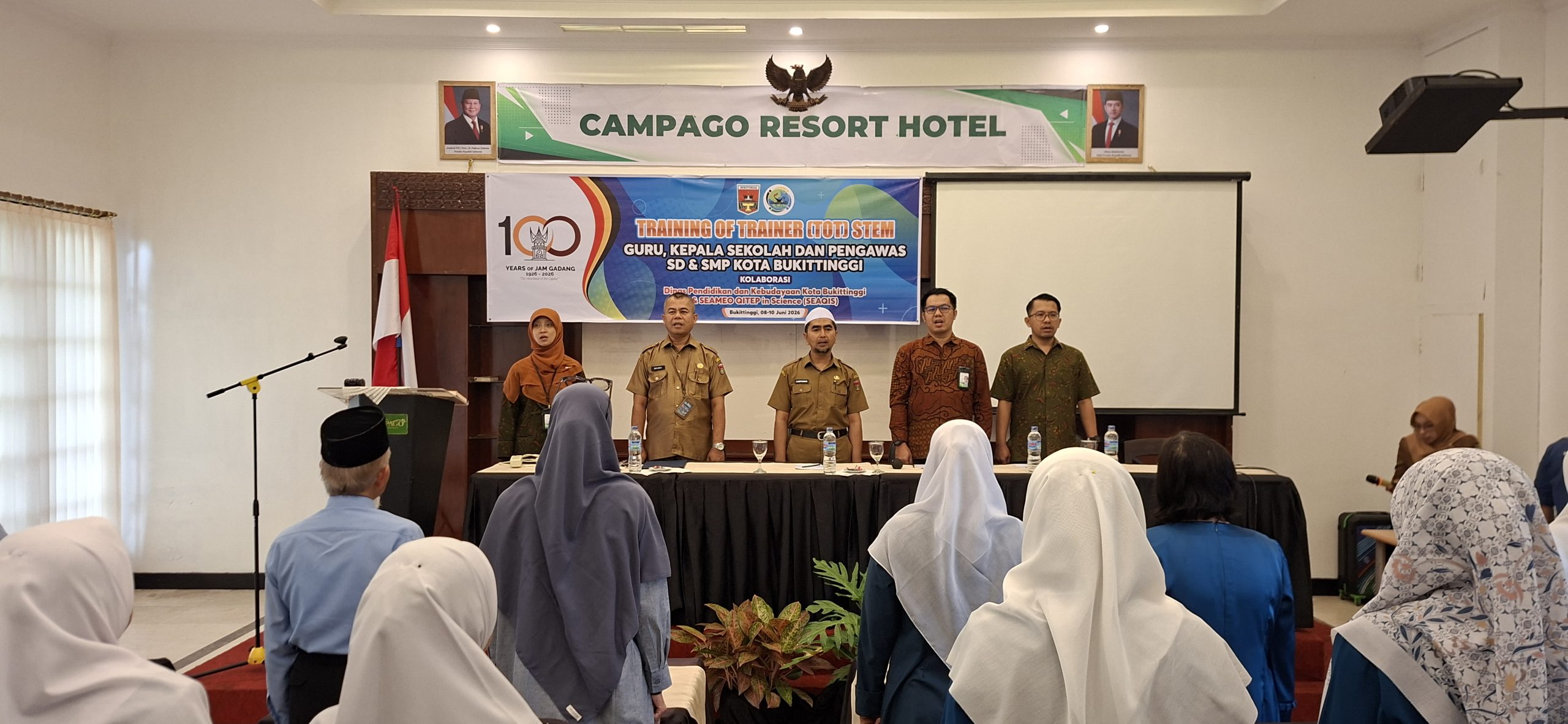

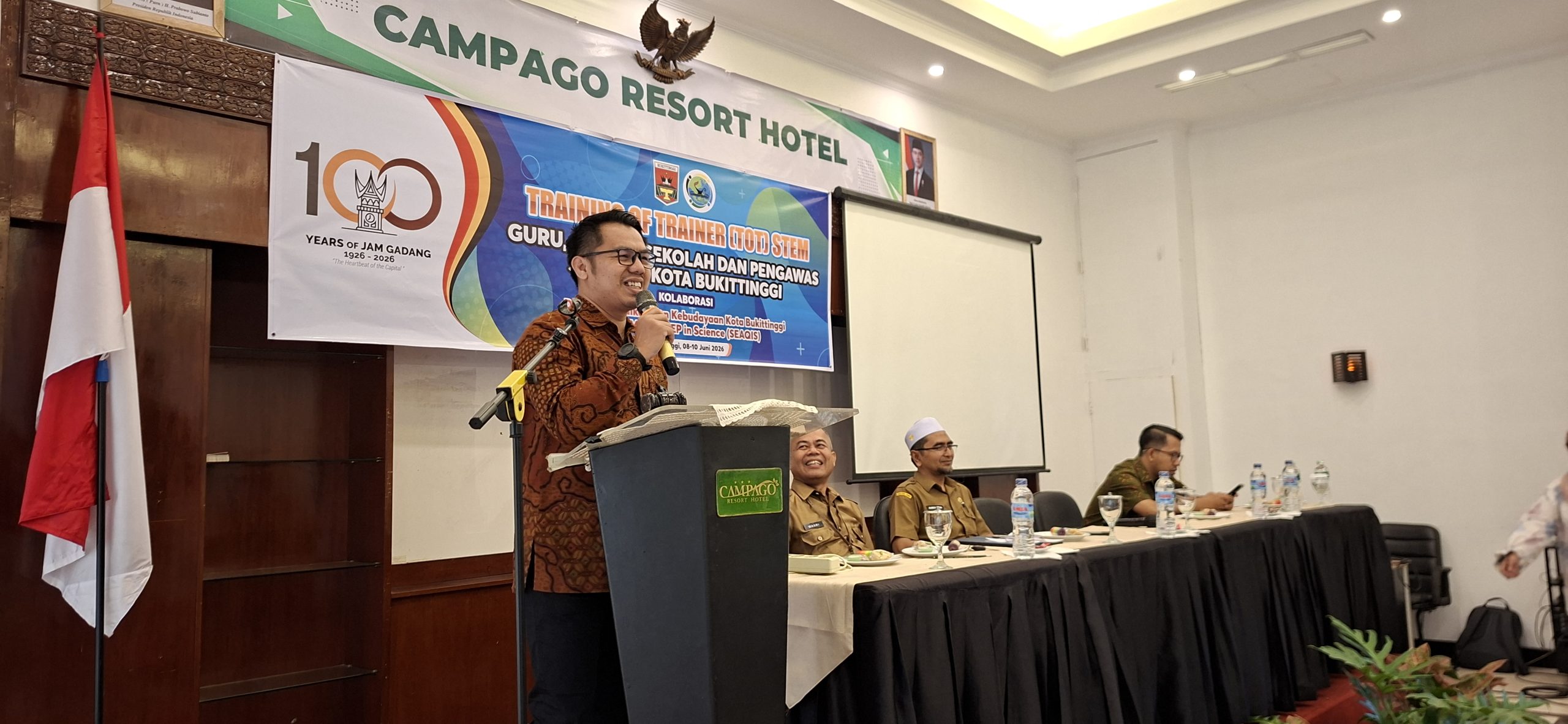
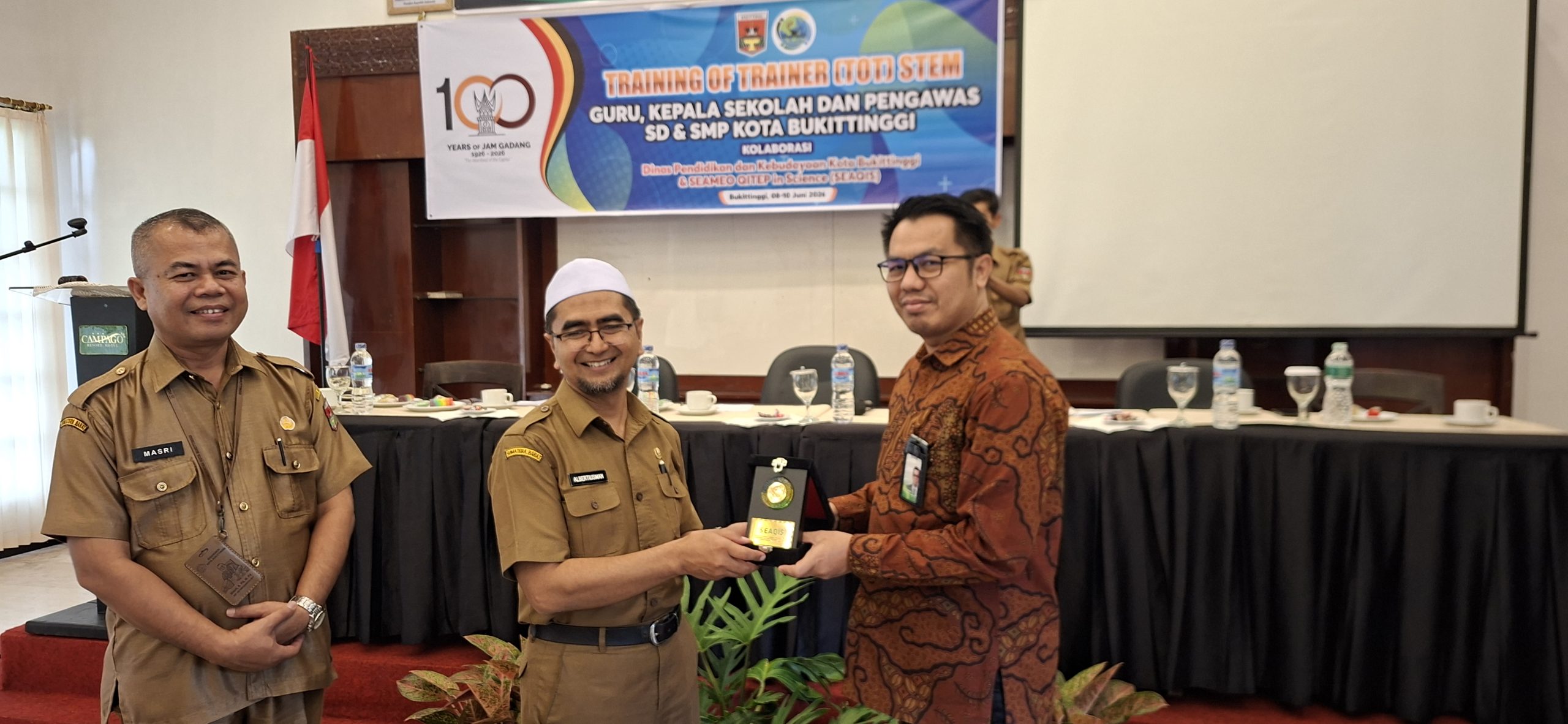
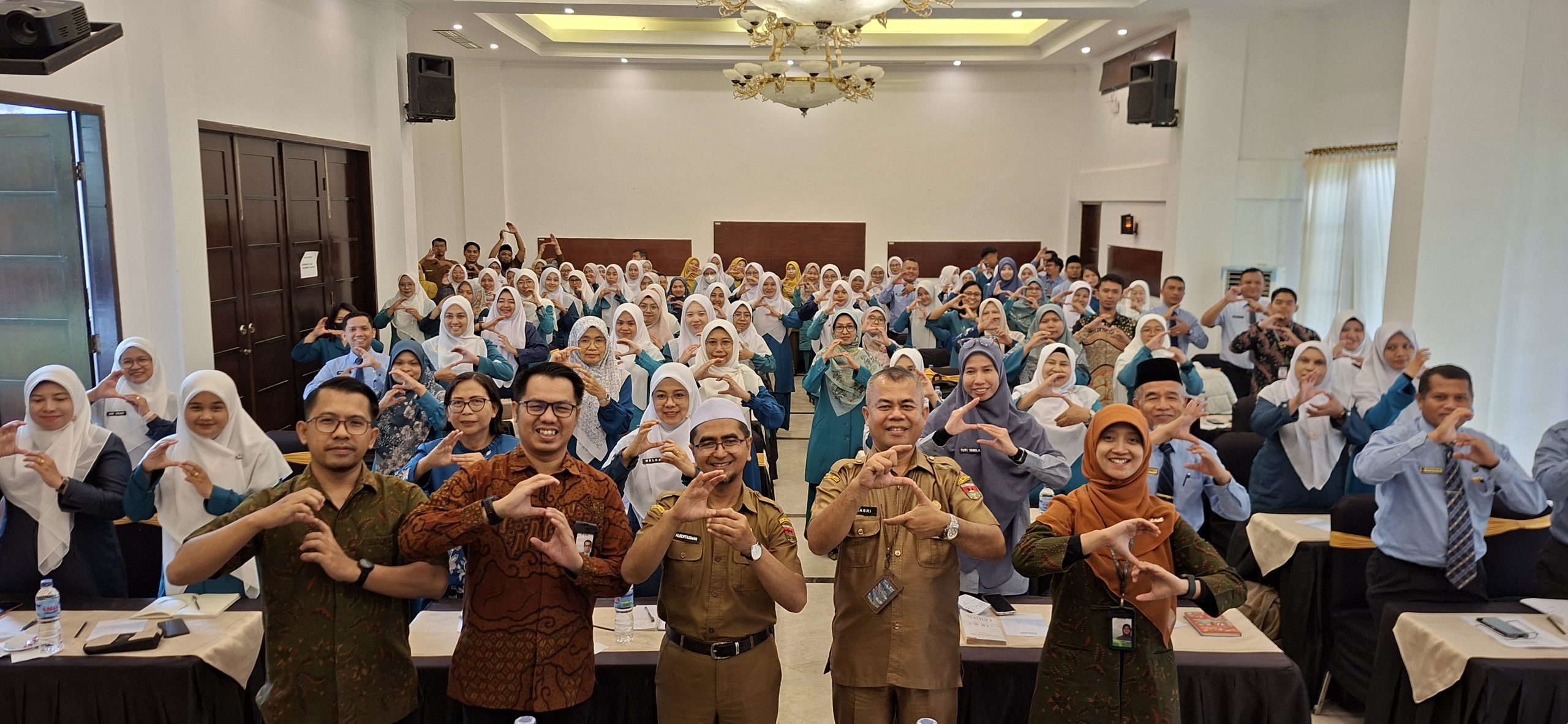

Preparing students for an increasingly complex world requires not only innovative classroom practices but also strong instructional leadership. To support this effort, SEAQIS organised the STEM Learning Training for Primary and Junior Secondary School Teachers, Principals, and School Supervisors in Bukittinggi, West Sumatra, from 8 to 10 June 2026. The programme aimed to strengthen participants’ capacity to implement and supervise meaningful STEM learning that fosters critical thinking, creativity, collaboration, and problem-solving skills.
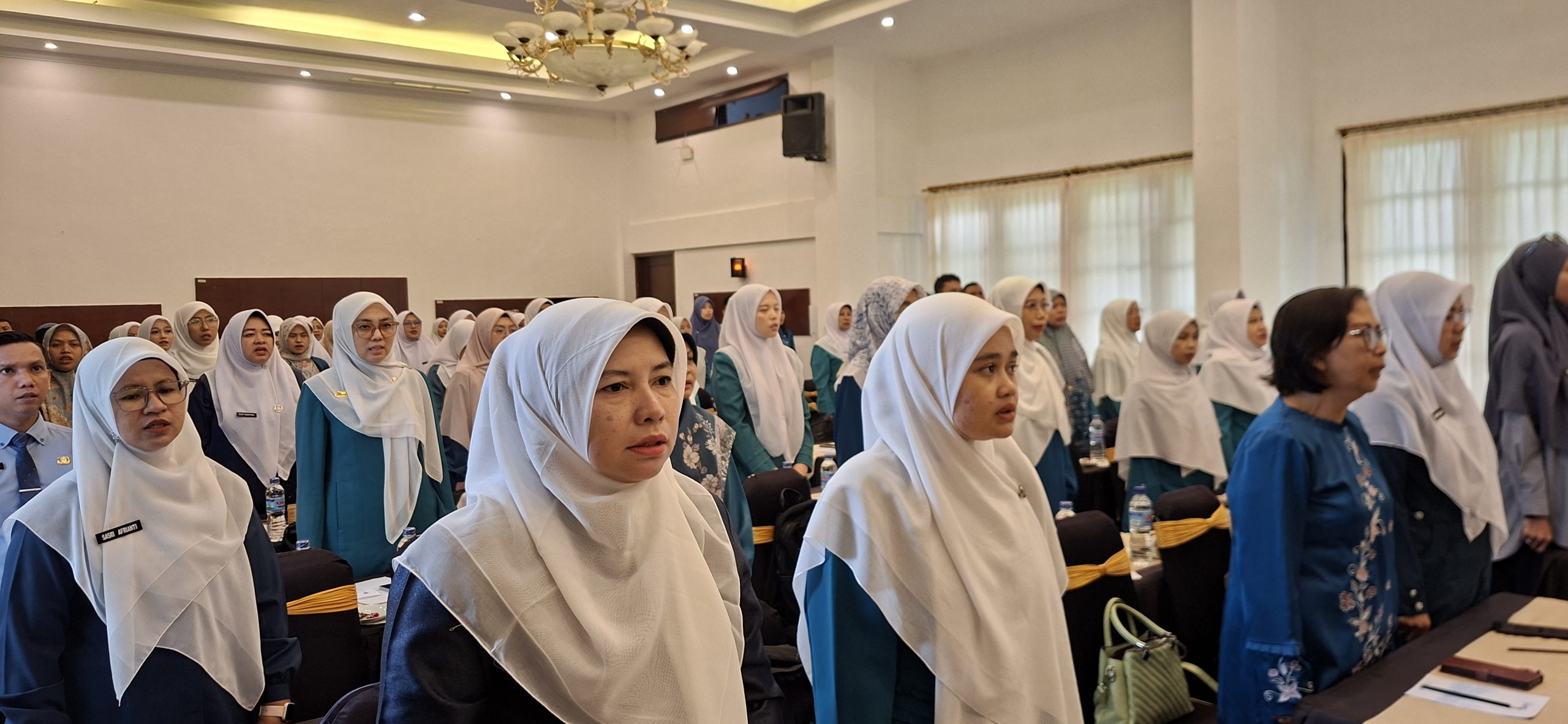
The three-day training brought together 116 participants, including primary school teachers, junior secondary science teachers, school principals, and school supervisors, in a shared professional learning experience. Recognising that successful STEM implementation requires support beyond the classroom, the programme addressed both effective teaching practices and the leadership needed to sustain educational innovation across schools.
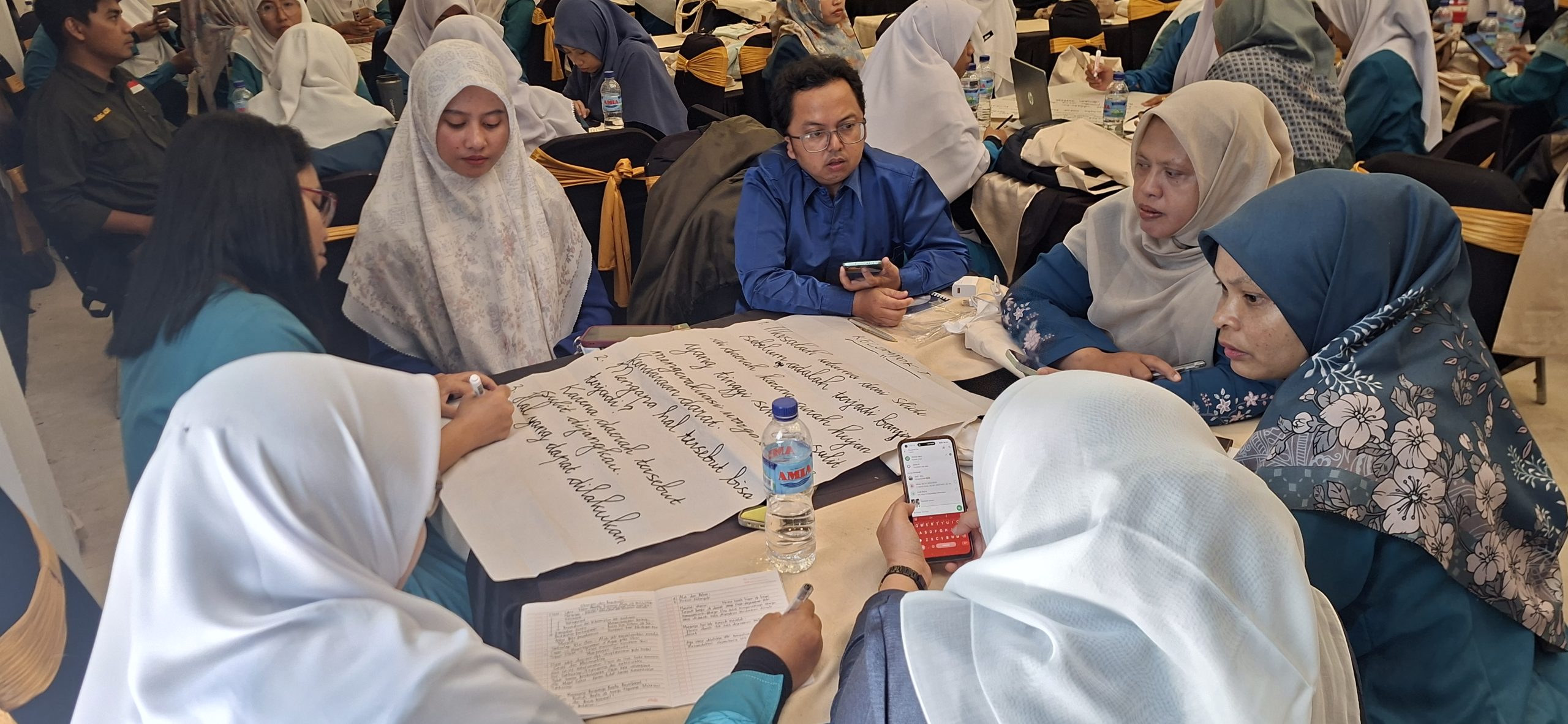
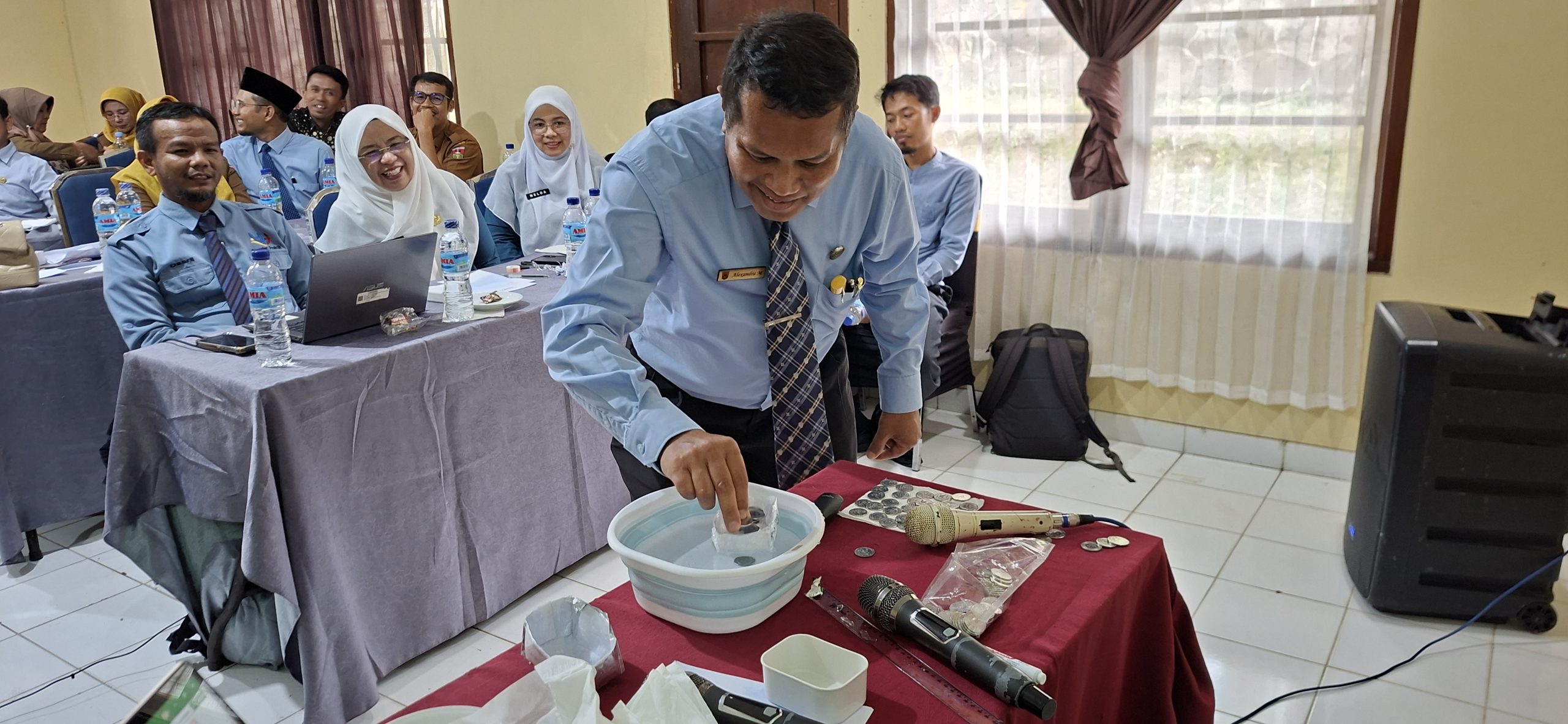
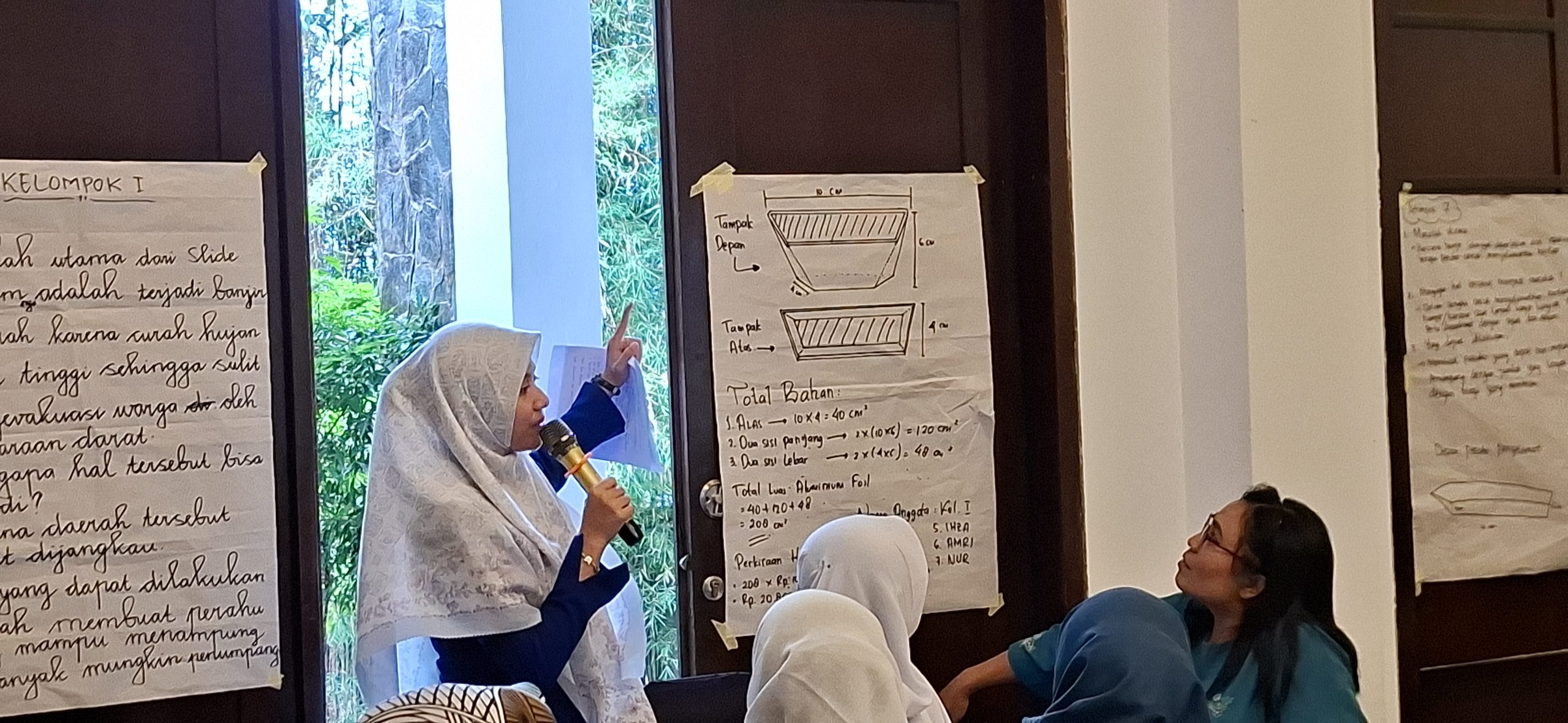
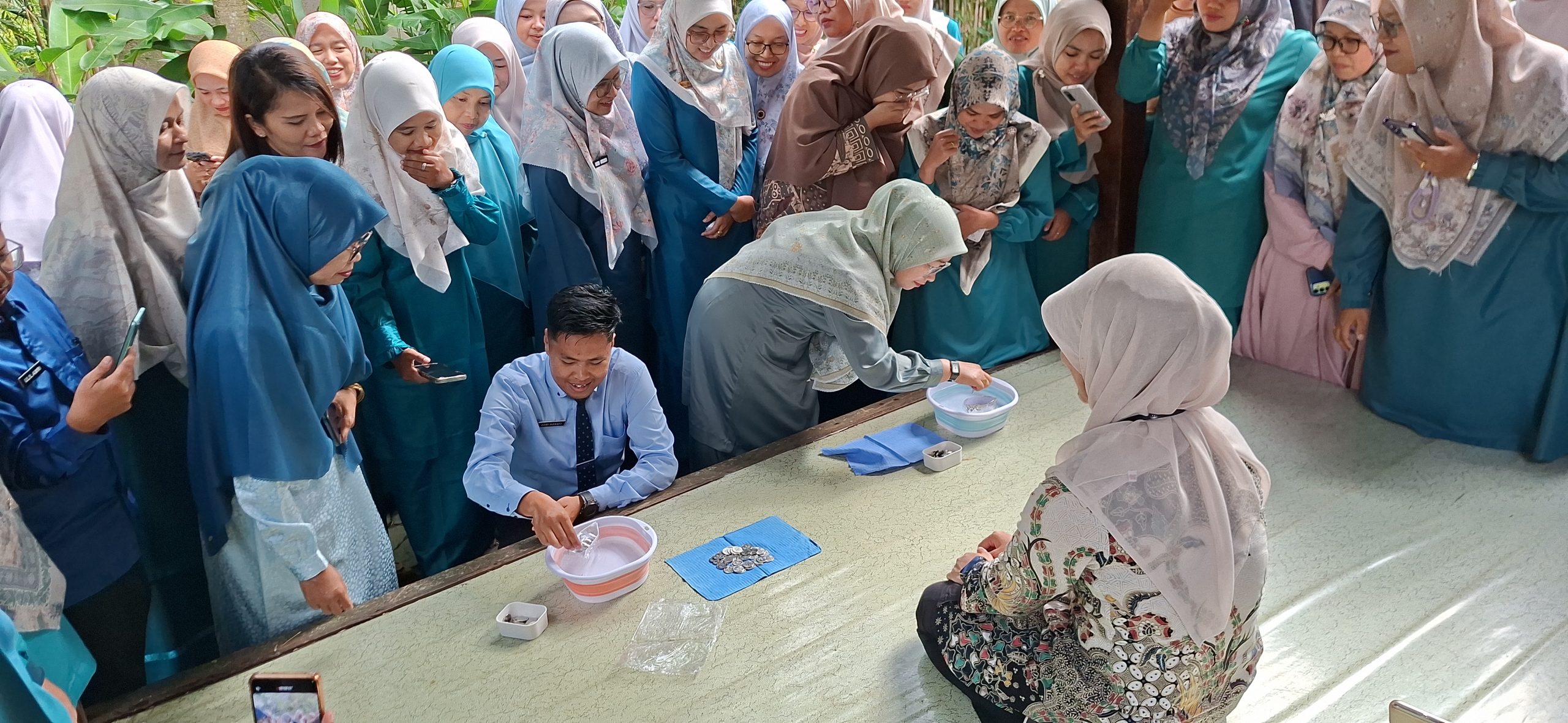
Throughout the programme, participants explored current trends in science education, the urgency and characteristics of STEM learning, instructional leadership, academic supervision, and Professional Learning Communities (PLCs). Learning activities combined interactive discussions, classroom video analyses, collaborative tasks, and hands-on experiences that encouraged participants to connect theory with classroom practice.
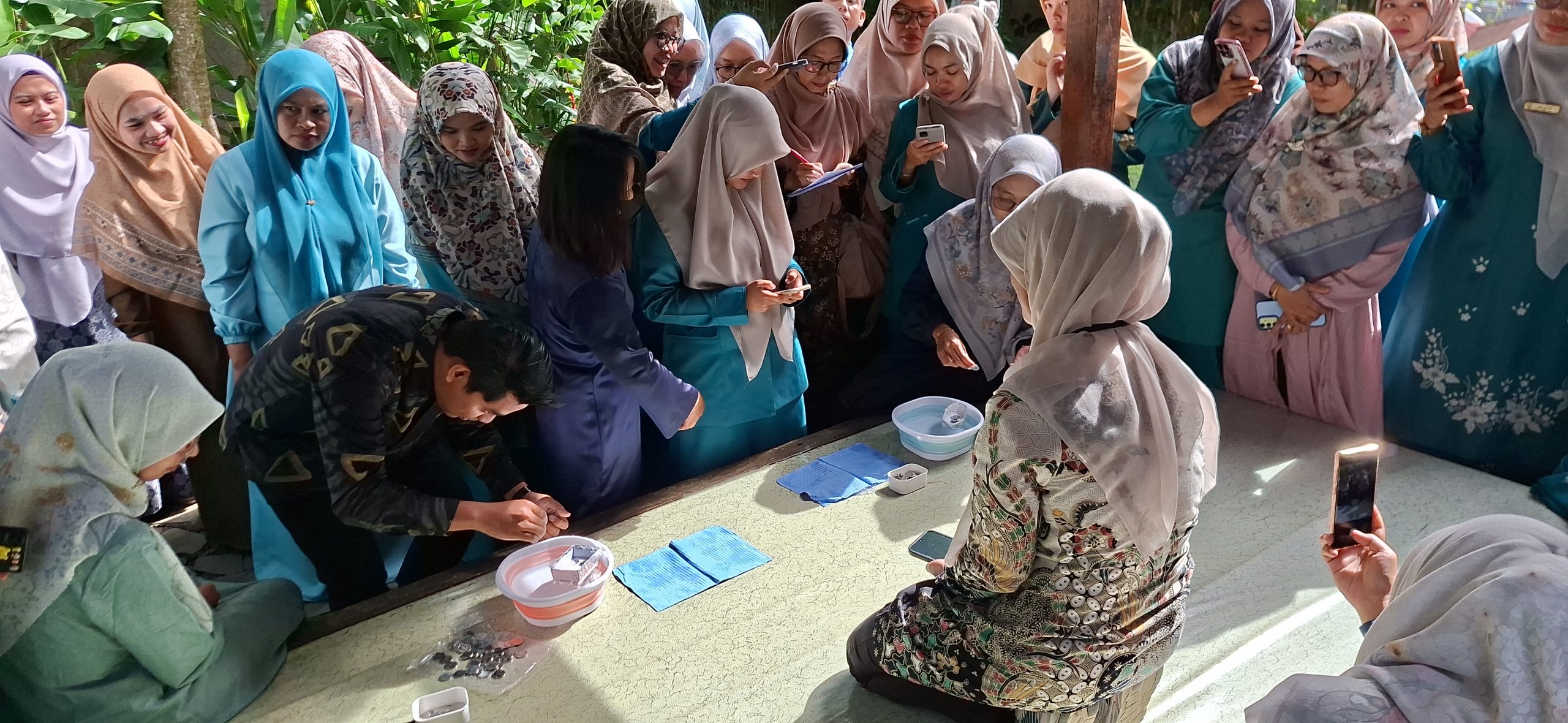
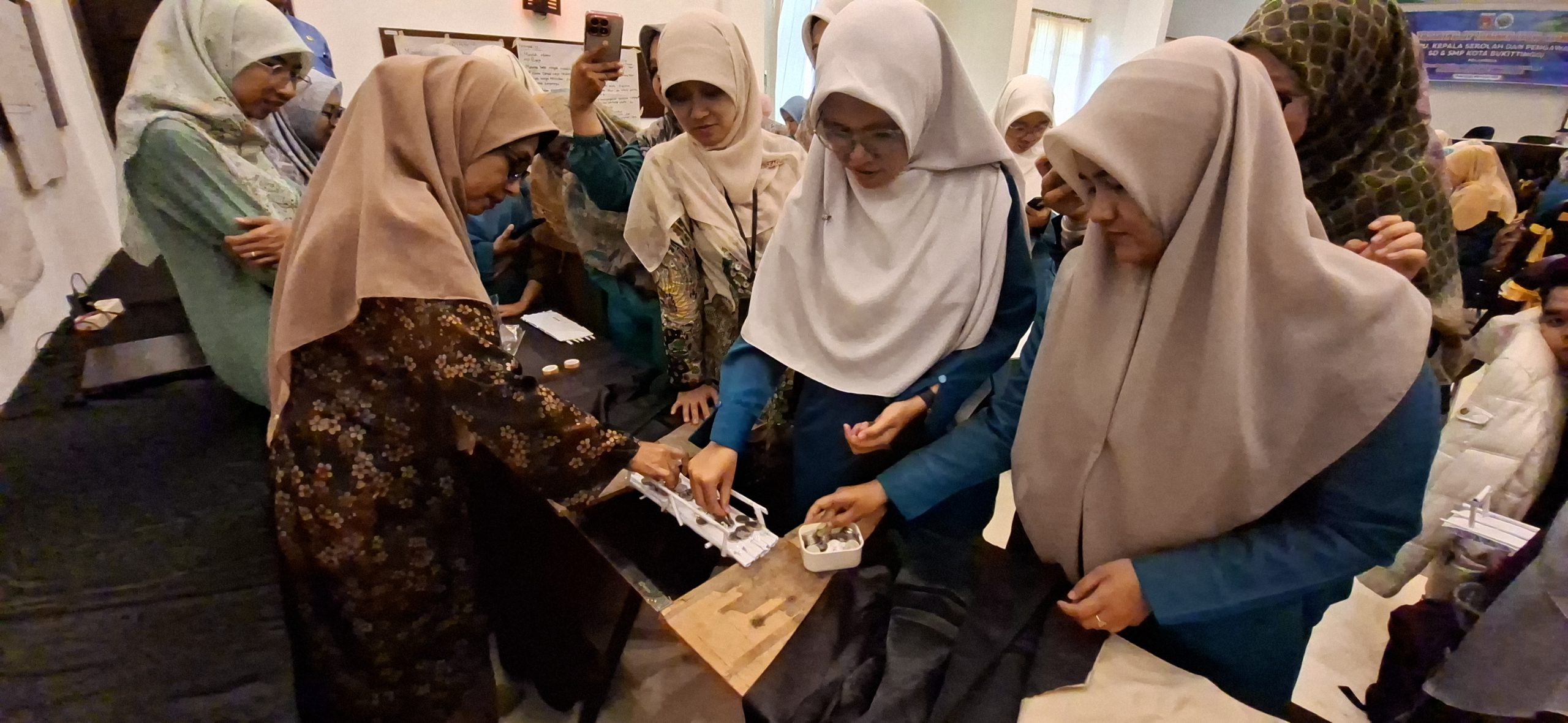
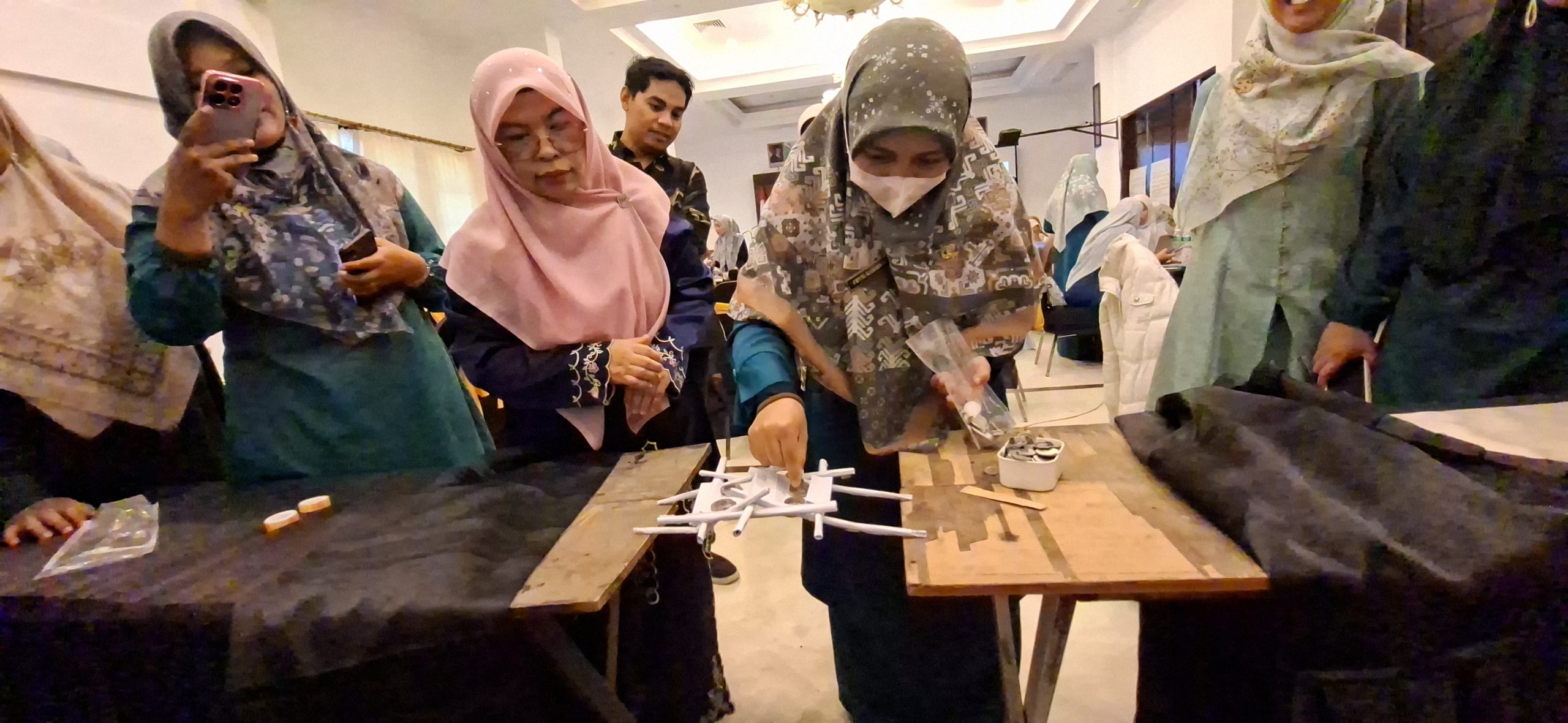
One of the highlights for teachers was the Emergency Bridge Design Challenge, where participants analysed science topics before designing and constructing emergency bridge prototypes using the Engineering Design Process (EDP). The activity demonstrated how STEM learning can transform real-world problems into meaningful classroom experiences while helping teachers develop contextual STEM lesson designs that can be implemented in their own schools. Meanwhile, school principals and supervisors strengthened their capacity to conduct constructive academic supervision, support teachers’ professional development, and foster school environments that encourage innovation and collaboration.
By the end of the training, participants had strengthened their understanding of STEM education and developed practical action plans to support its implementation in their respective schools. Through programmes such as this, SEAQIS continues to support teachers and school leaders in creating learning environments that equip students with the knowledge, skills, and mindset needed to thrive in the 21st century.
Writer: Salsabila Nadhifah
