
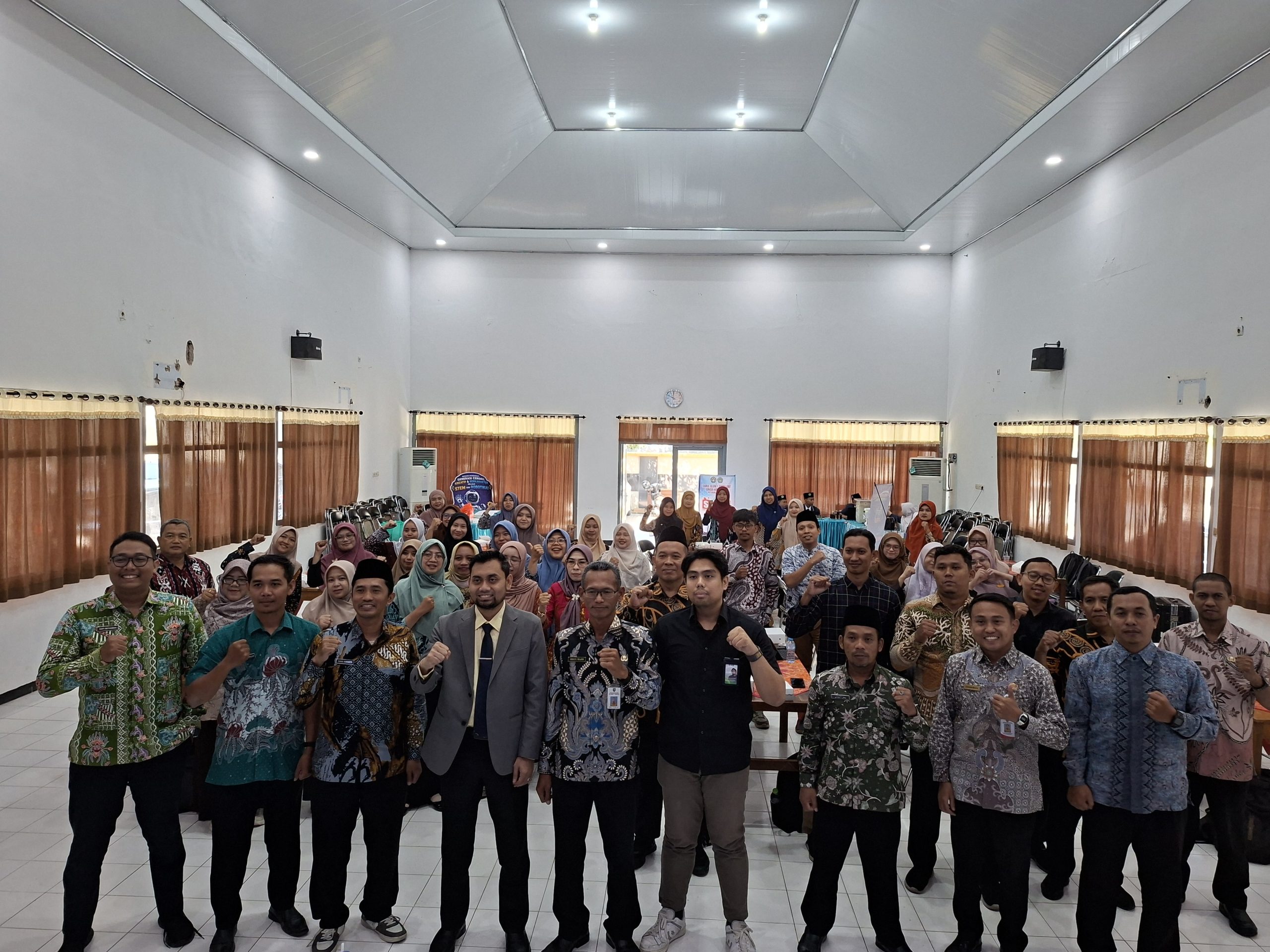
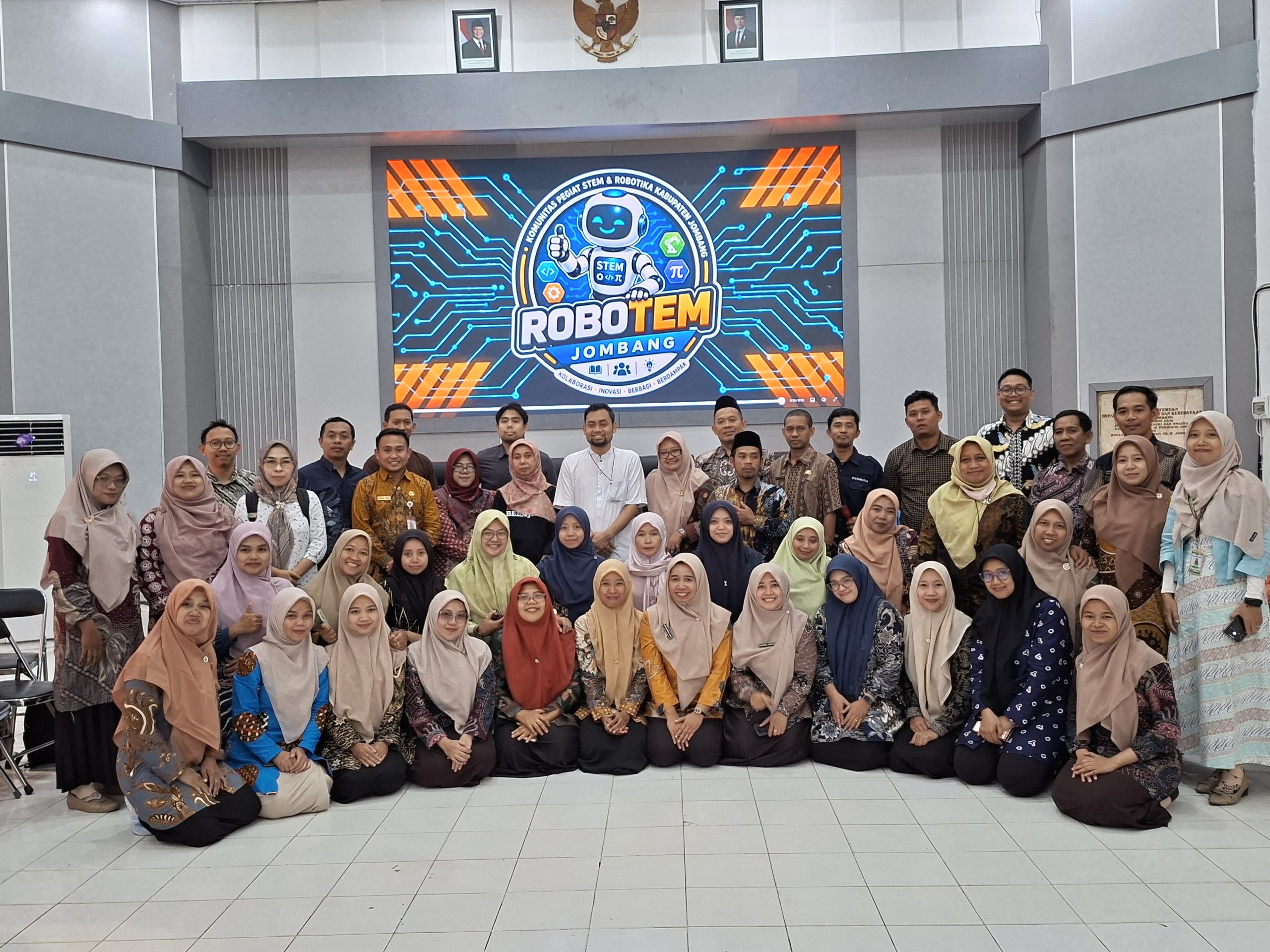
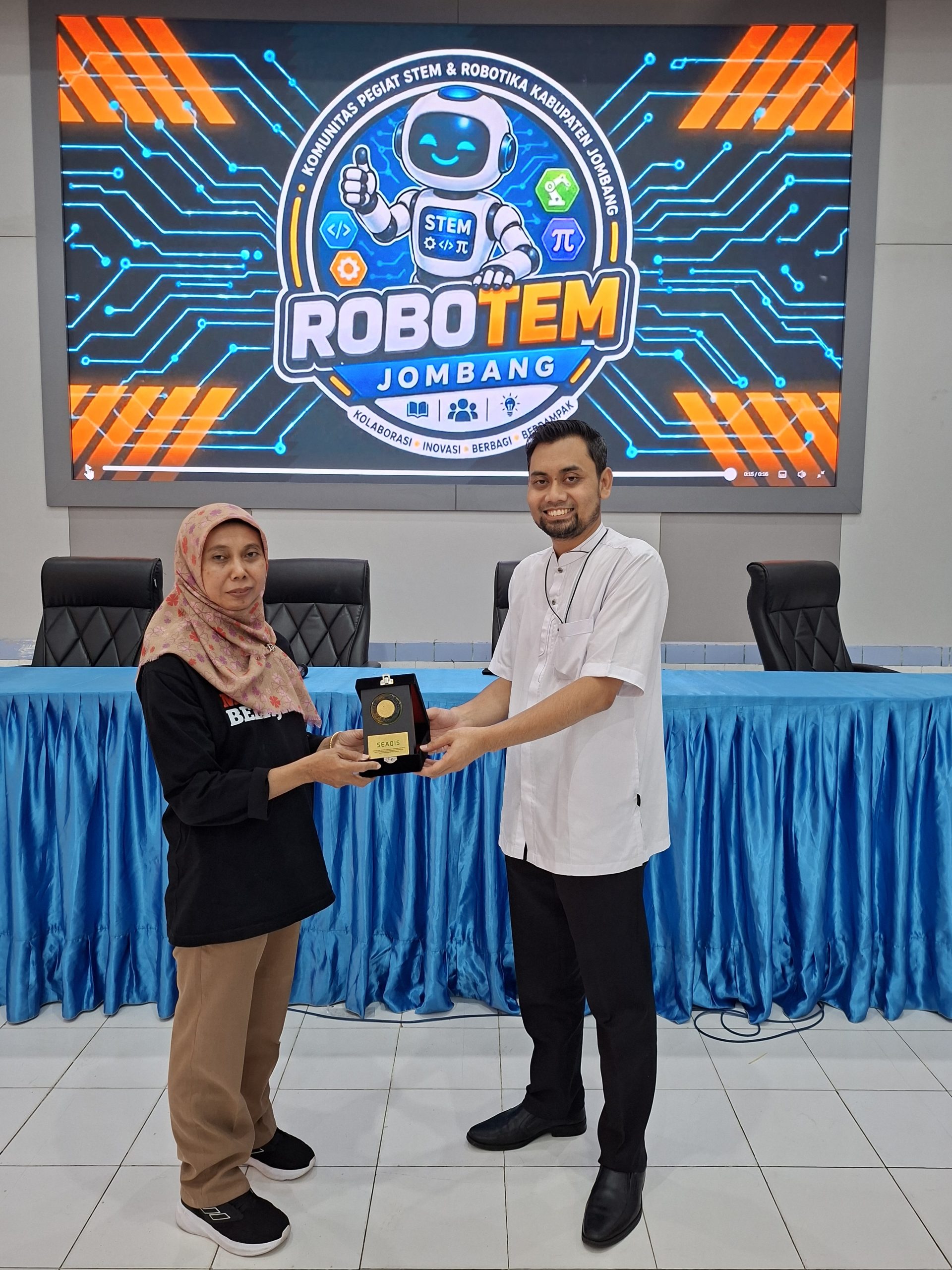
From balloon-powered cars to coding-powered robots, science teachers in Jombang explored how STEM learning can transform classroom experiences. Through the STEM Robotics Learning Training organised by SEAQIS in collaboration with the ROBOTEM (Robotika STEM) Community of Jombang, 43 science teachers gained hands-on experience in applying engineering design, coding, and robotics to create engaging and meaningful science learning.
The programme was officially opened by Mr Abdul Majid, S.Psi., M.M., Secretary of the Jombang Regency Education and Culture Office, who expressed his appreciation for the establishment of the ROBOTEM community. He encouraged the community to continue expanding its role in introducing modern STEM learning to more schools across Jombang and strengthening collaboration among teachers in developing innovative classroom practices.
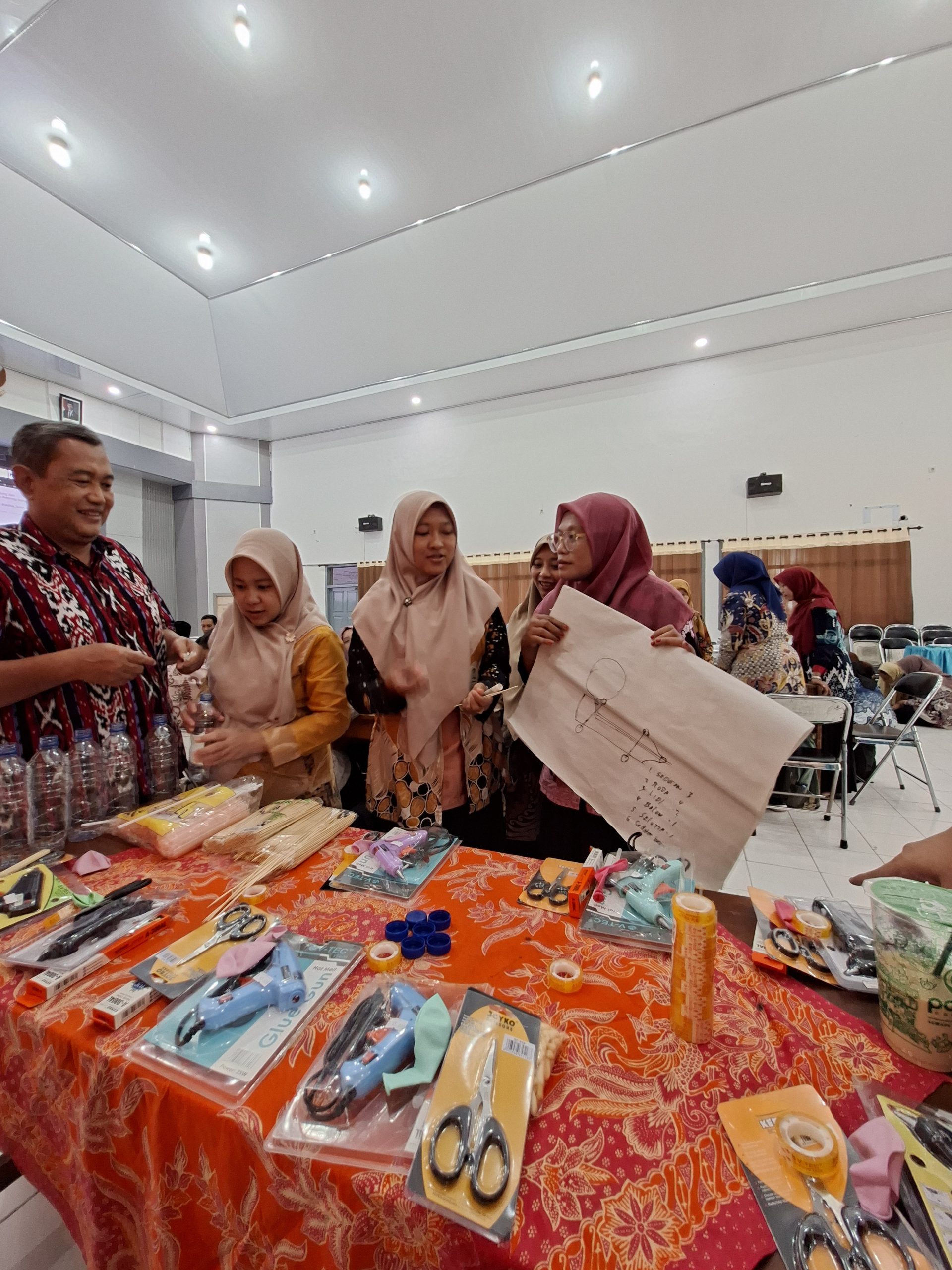
Rather than focusing solely on theory, the training immersed participants in a series of practical learning experiences. Teachers were first introduced to the Engineering Design Process (EDP) before applying it through hands-on activities. They designed and tested balloon-powered cars to explore engineering concepts, then advanced to building simple robotic vehicles operated through basic coding. These activities demonstrated how STEM learning can transform scientific concepts into engaging, project-based experiences that encourage creativity, experimentation, and problem-solving.
Beyond developing technical skills, the training also became a space for teachers to exchange ideas, collaborate with fellow educators, and reflect on ways to adapt STEM robotics activities to their own classrooms. Participants explored how coding and robotics can make science learning more interactive while helping students develop critical thinking, collaboration, and innovation skills.
Through this collaboration with the ROBOTEM community, SEAQIS continues to support teacher-led initiatives that expand access to quality STEM education. By strengthening teachers’ confidence in applying engineering design, coding, and robotics in their lessons, the programme contributes to creating more engaging science learning experiences for students and encourages the wider adoption of STEM education in schools.
Writers: Nursidik and Salsabila Nadhifah
