
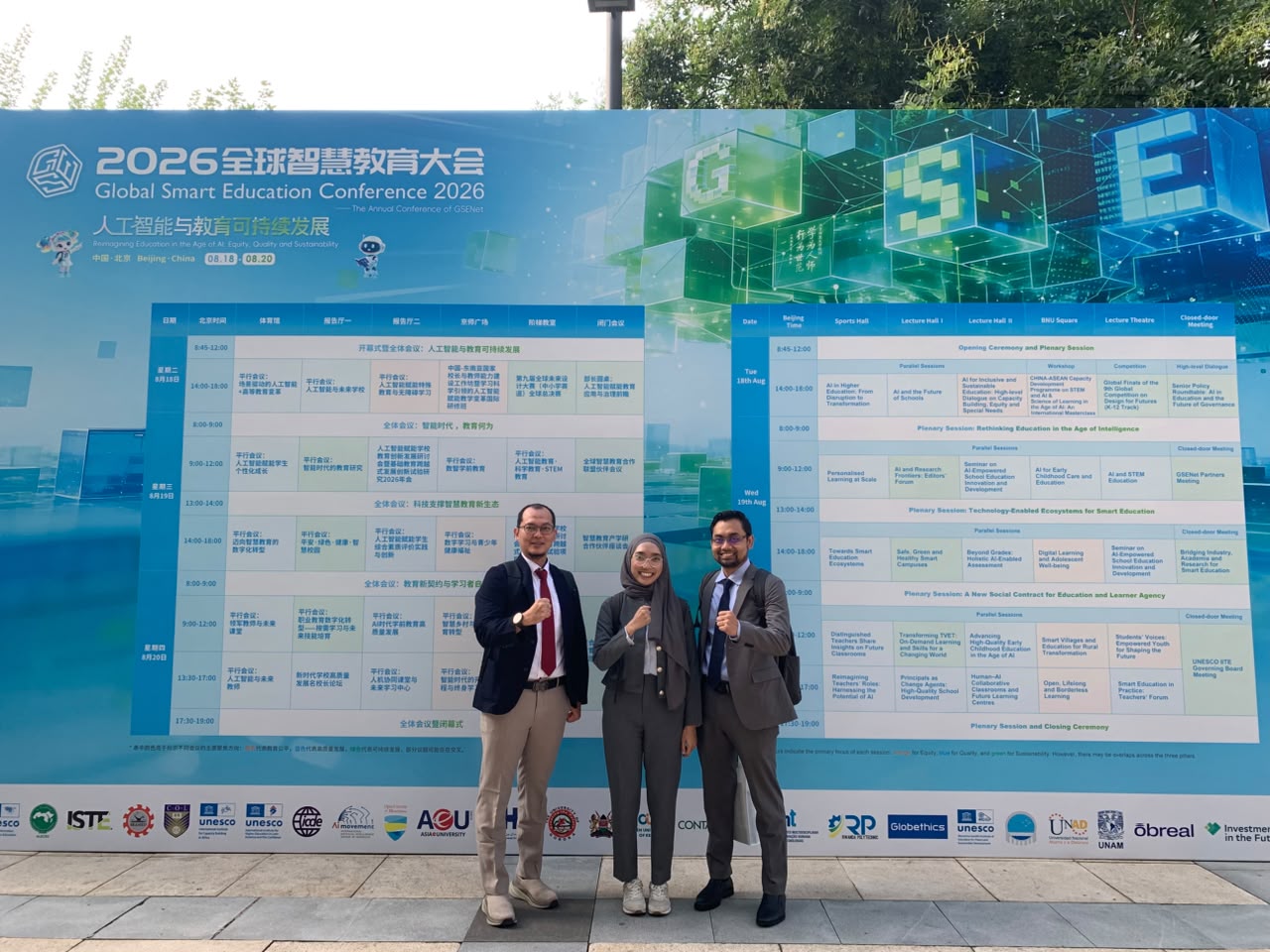
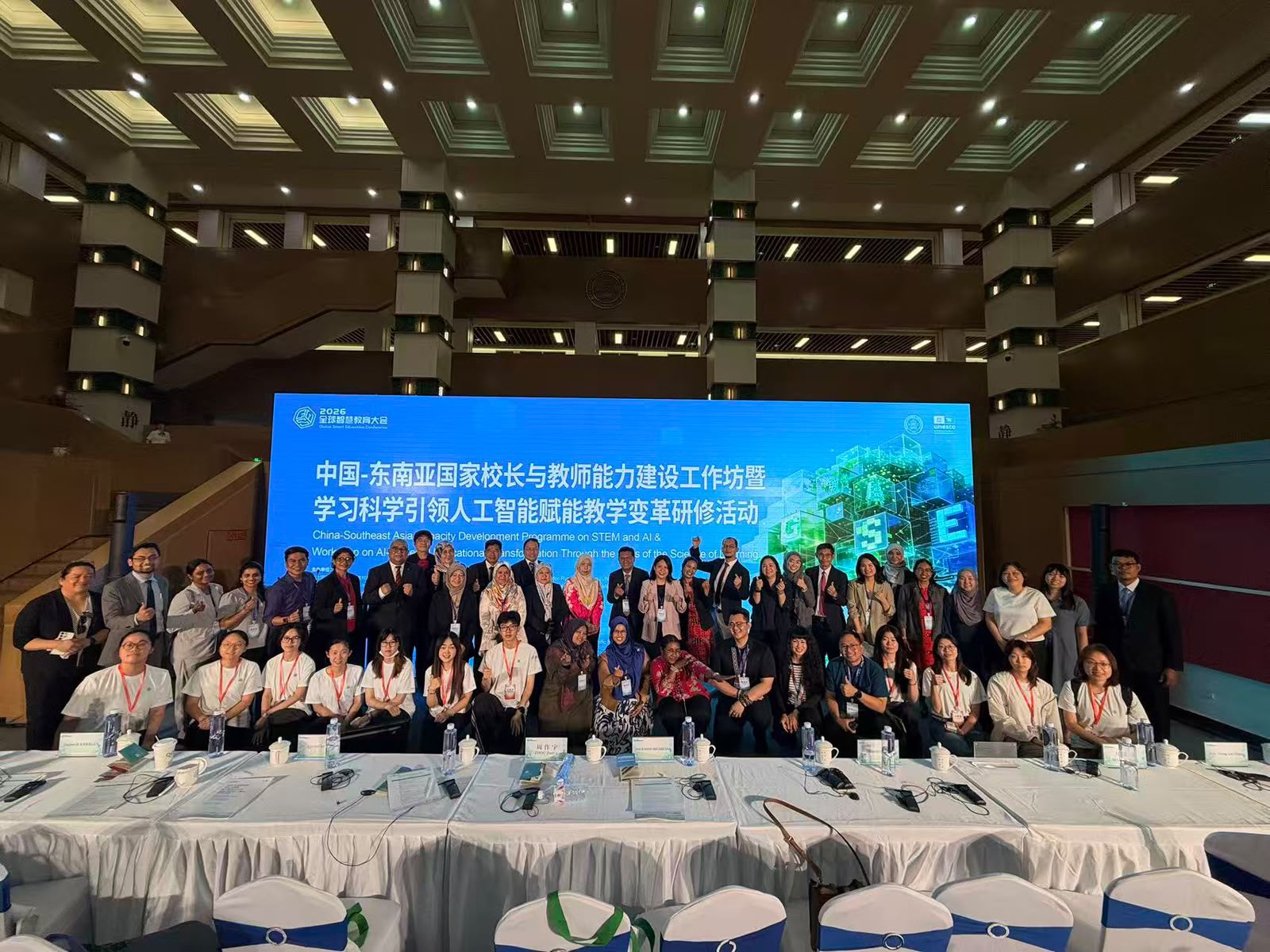
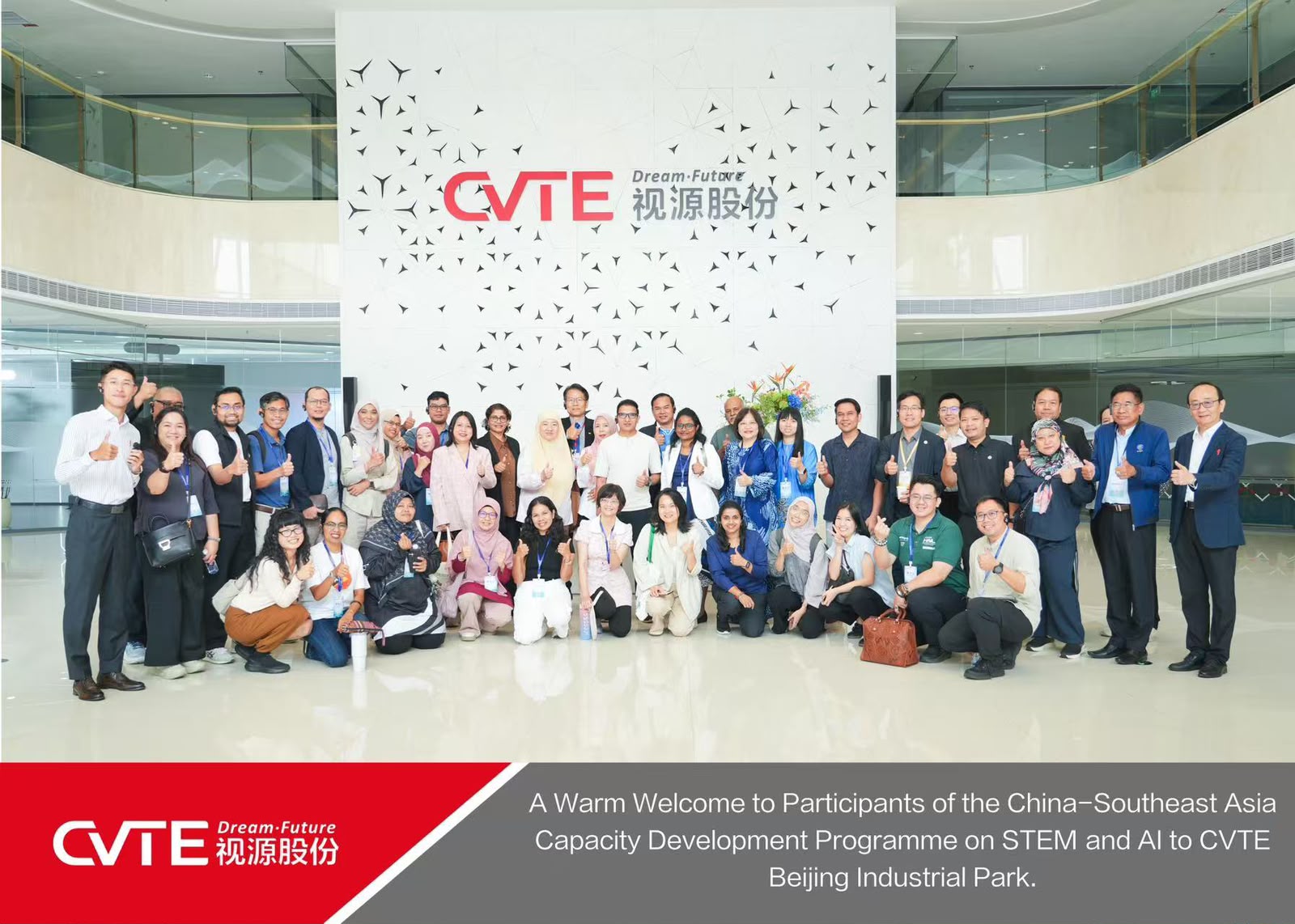
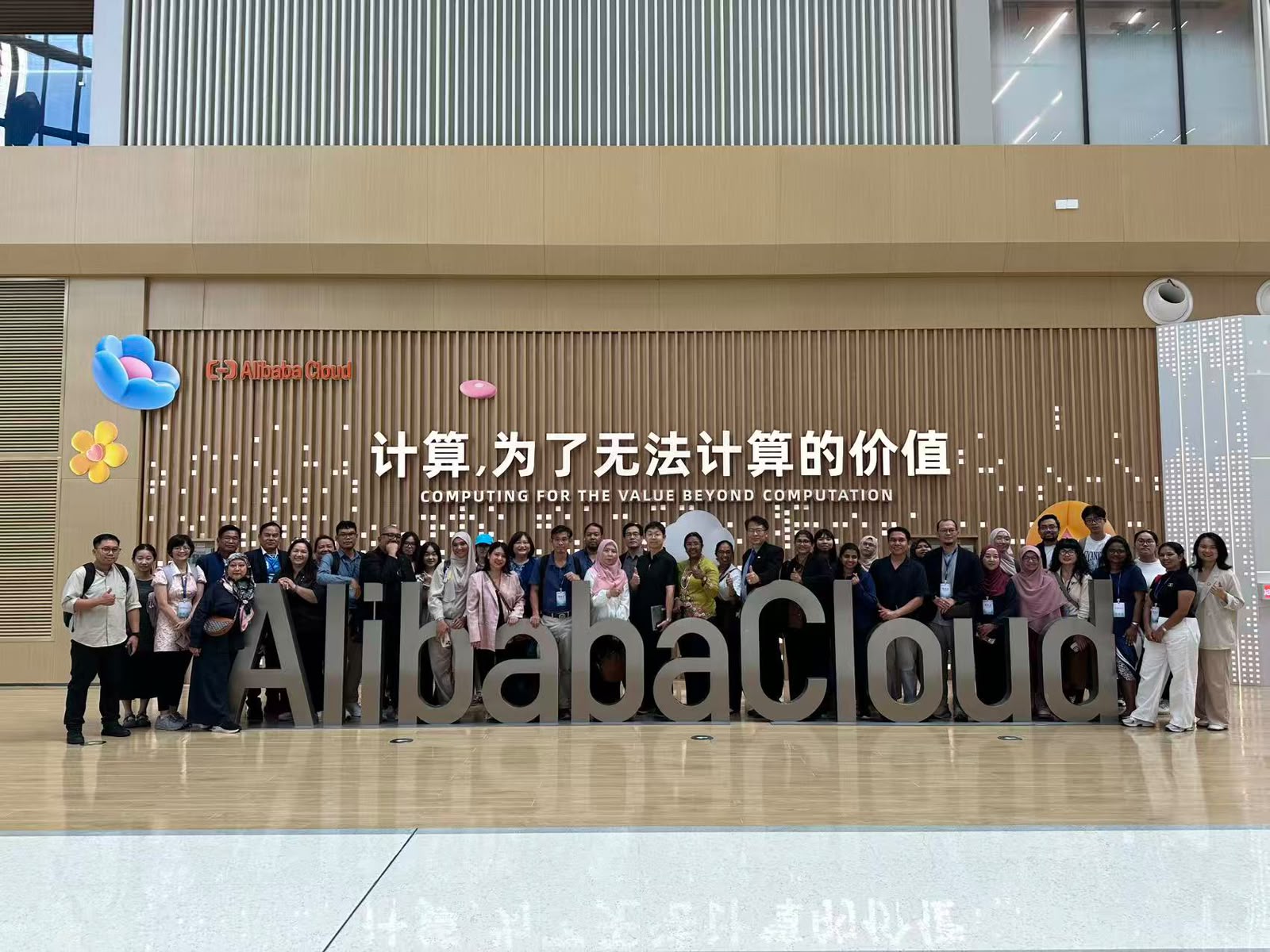
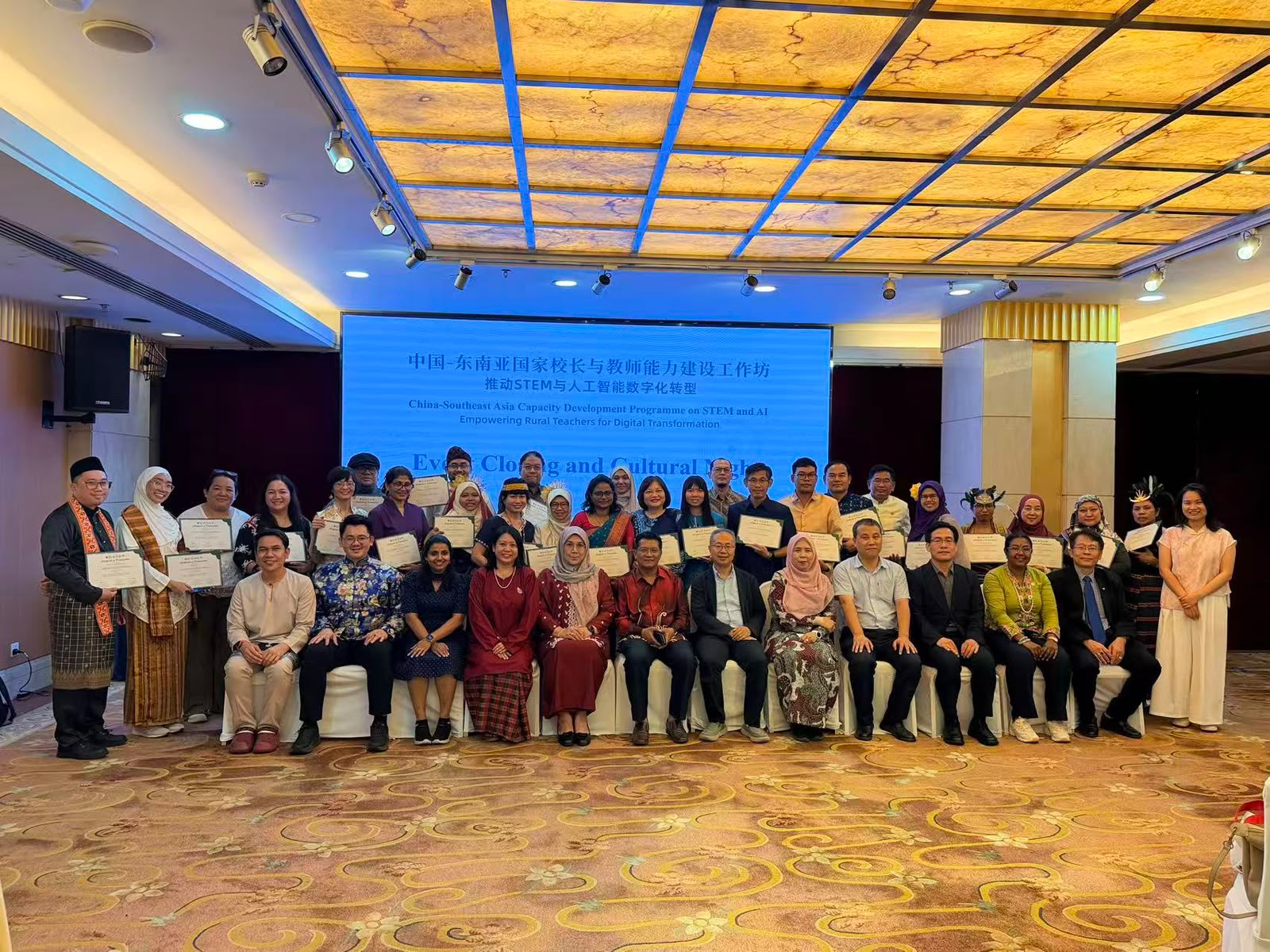
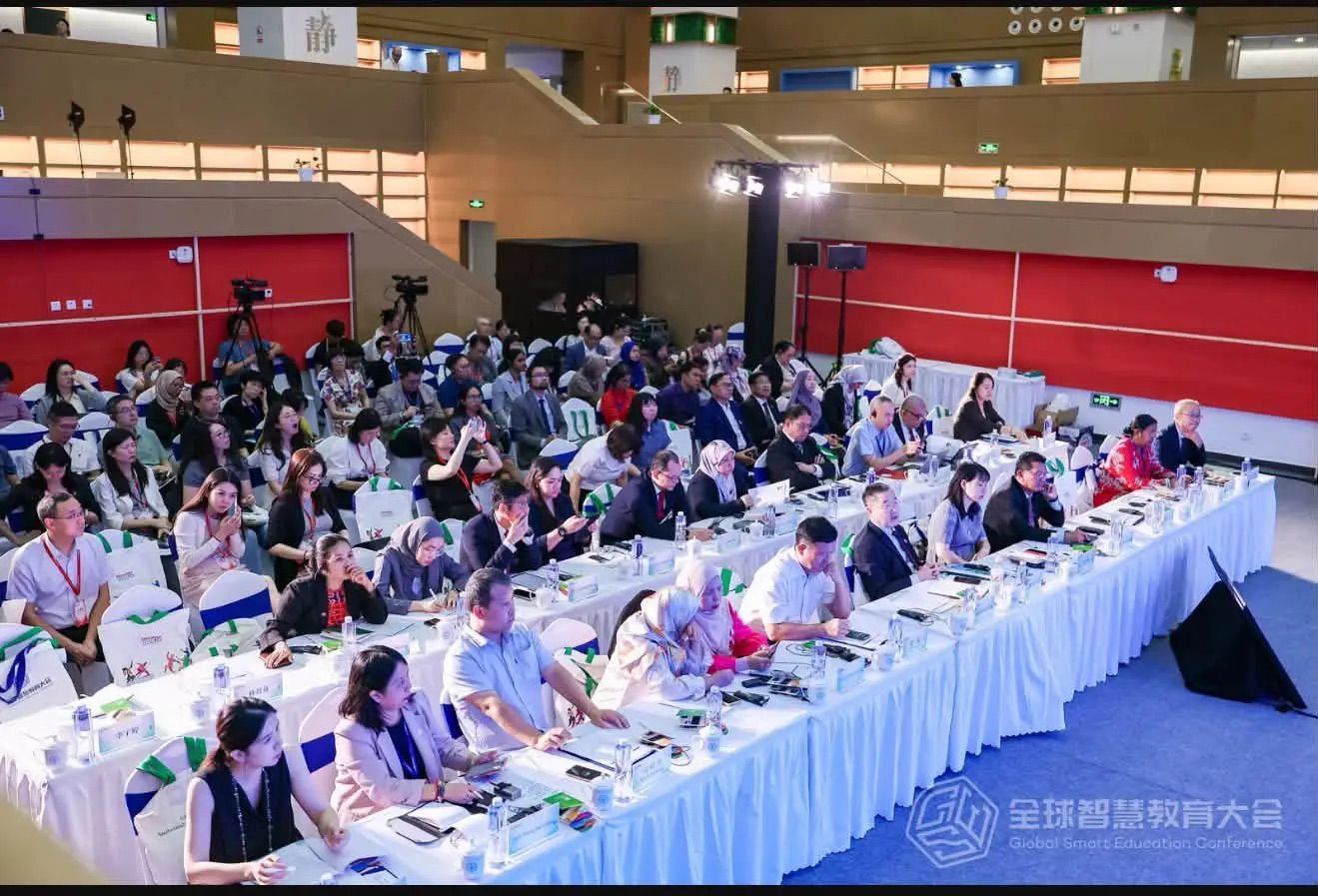
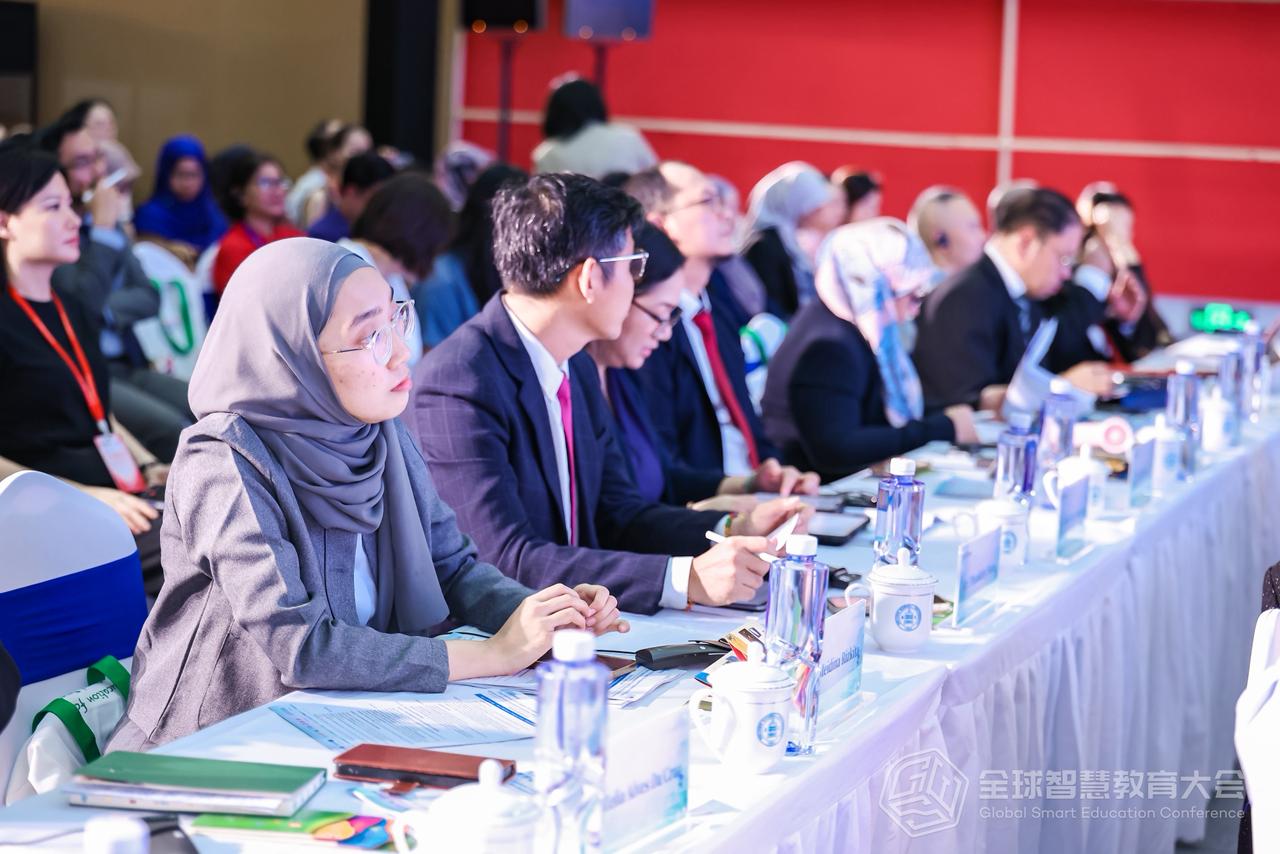
SEAMEO QITEP in Science (SEAQIS) strengthened its contribution to regional cooperation in STEM and digital education through the China-ASEAN Capacity Development Workshop on STEM and AI: Empowering Rural Teachers for Digital Transformation, held from 17 to 23 August 2026 in Beijing, China.
Representing SEAQIS, Meidina Rizkita, M.Si. and Septian Karyana, M.Si. participated in the capacity development workshop, which brought together education policymakers, researchers, scholars, educators, and practitioners from China and Southeast Asia to exchange knowledge and experiences on the use of STEM, artificial intelligence (AI), and digital technologies in education.
The workshop was jointly initiated and organised by the UNESCO International Research and Training Centre for Rural Education (UNESCO INRULED), SEAMEO Regional Centre for Education in Science and Mathematics (SEAMEO RECSAM), and the UNESCO Chair on AI in Education (AIED) at Beijing Normal University, together with other key partners. The programme was held as part of the Global Smart Education Conference 2026, an annual international platform that brings together stakeholders to advance innovation in education.
The workshop focused particularly on enhancing the leadership and professional capacities of rural teachers to navigate digital transformation. Through dialogue and knowledge sharing, participants explored approaches to integrating AI and digital technologies into STEM teaching, effective pedagogical practices for rural education, and opportunities to promote regional cooperation towards high-quality and inclusive education in the digital era.
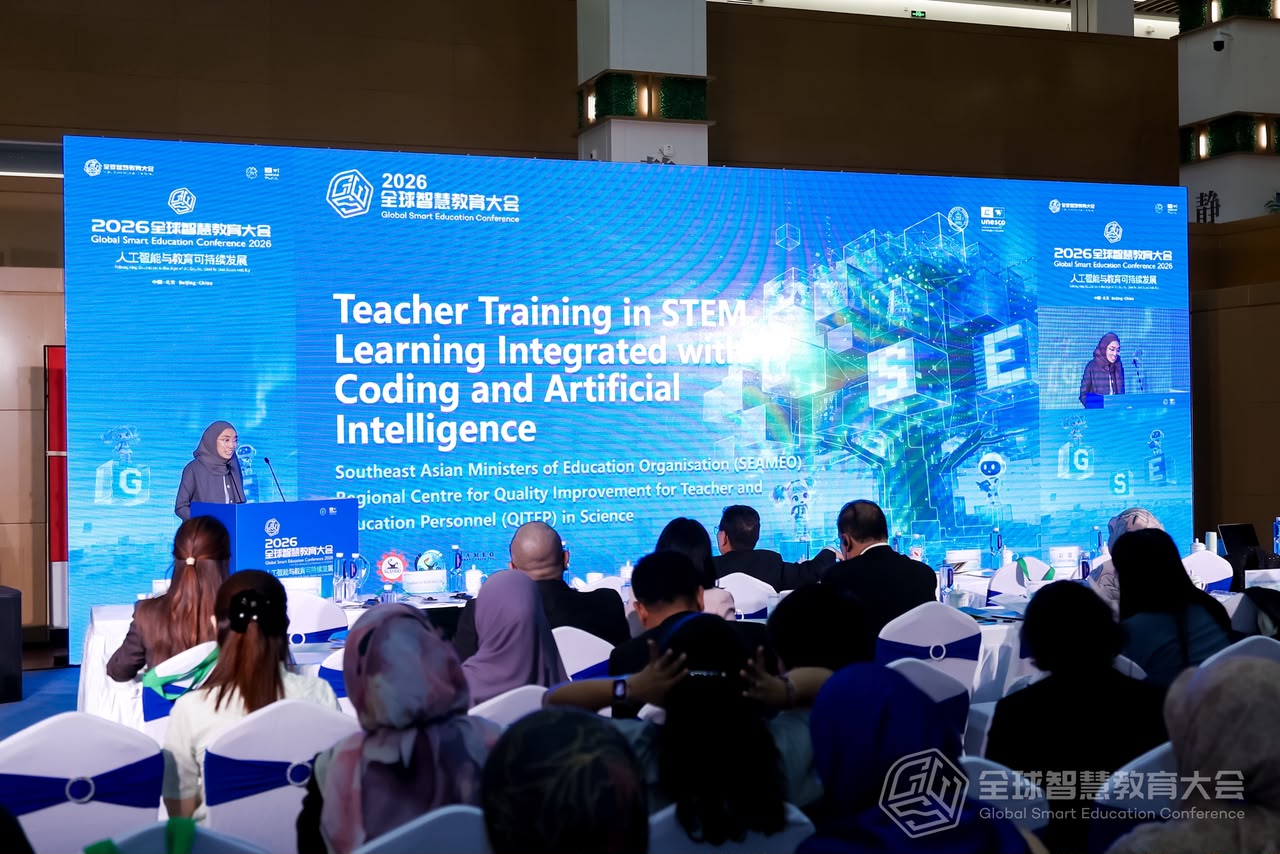
As part of the programme, SEAQIS shared its experience in the implementation of STEM learning through coding and artificial intelligence. The programme introduced approaches that equip teachers with the knowledge and skills to facilitate STEM learning in which students use coding and AI to identify and address problems in their local contexts.
The approach places real-world and locally relevant challenges at the centre of learning, including challenges encountered by communities in rural areas. By integrating STEM, coding, and AI, students are encouraged to develop solutions while strengthening problem-solving, computational thinking, creativity, and digital competencies.
SEAQIS’s participation also provided an opportunity to showcase Indonesia’s experience in advancing STEM education and explore how similar approaches can contribute to empowering teachers and learners in diverse educational contexts across Southeast Asia.
The workshop featured an opening symposium, thematic sessions, field visits to educational institutions and education technology enterprises, as well as cultural exchange activities. These activities provided participants with opportunities to learn from different practices and perspectives while fostering stronger connections among education stakeholders across China-ASEAN.
Through its participation, SEAQIS reaffirmed its commitment to strengthening regional collaboration and supporting educators in preparing learners to respond to real-world challenges through STEM, AI, and digital technologies.
The engagement is expected to contribute to continued knowledge exchange and future collaboration among educational institutions in China and Southeast Asia, particularly in advancing inclusive, innovative, and context-responsive approaches to digital education.
Written by Meidina Rizkita
