
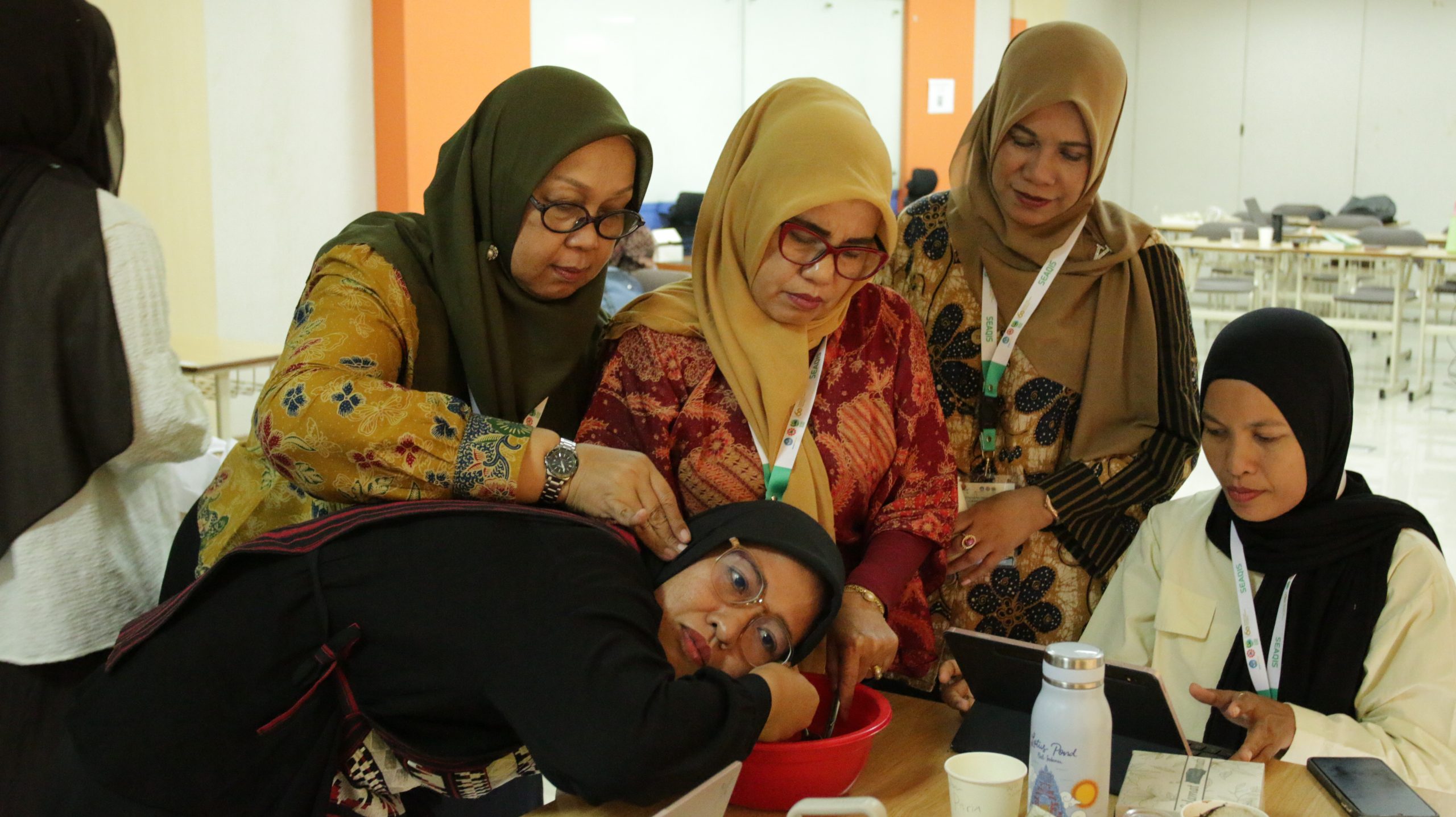
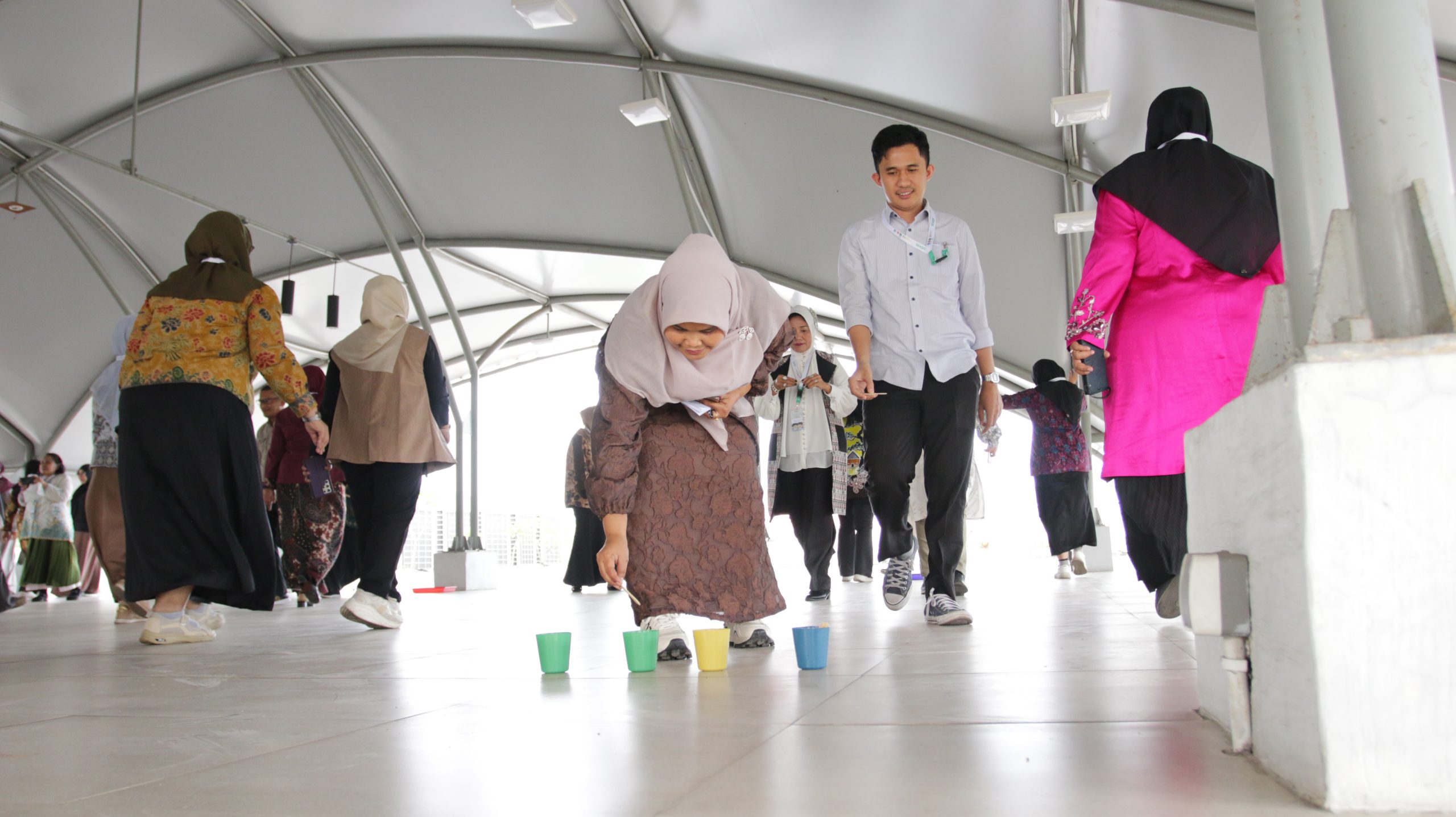

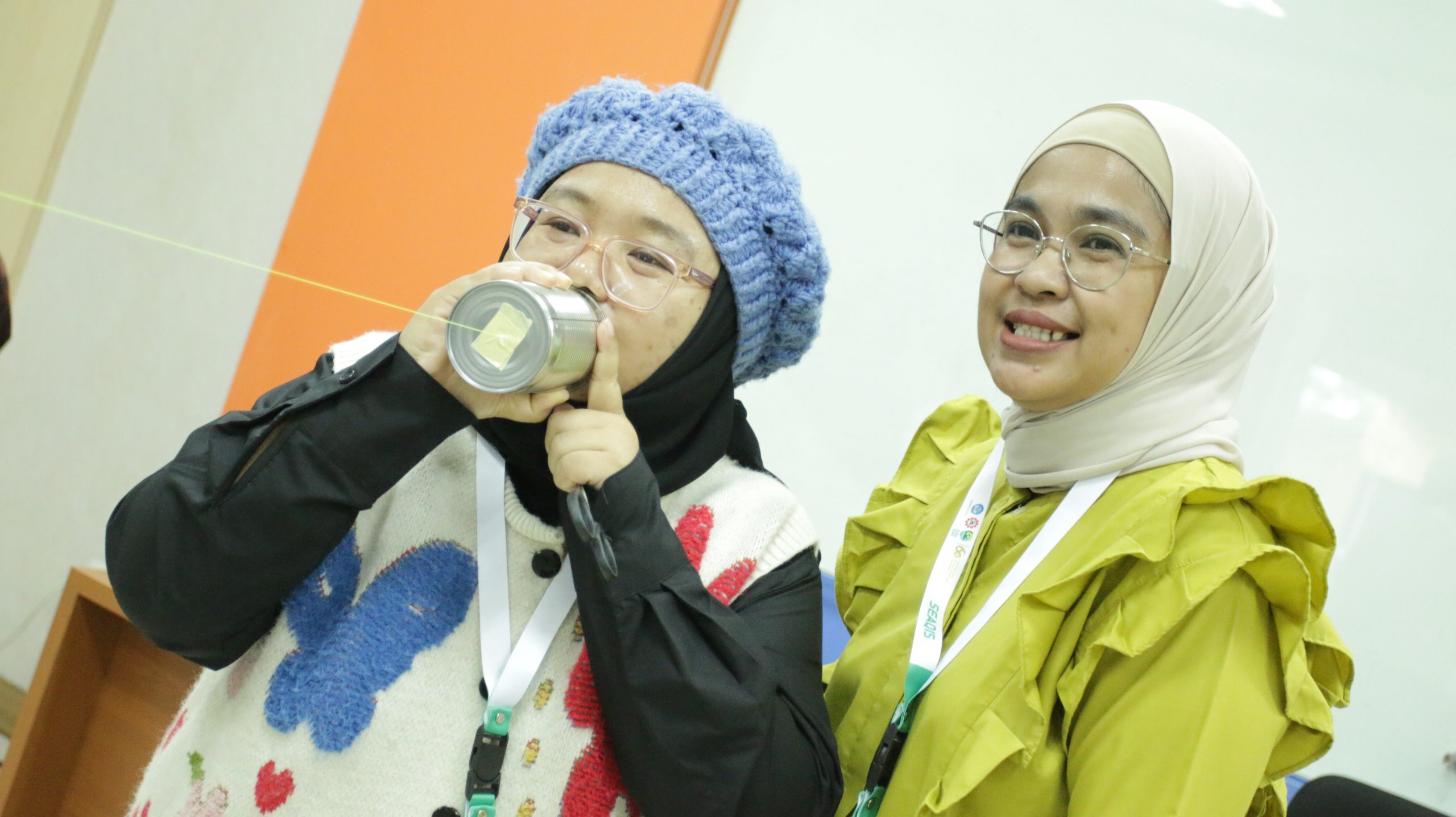
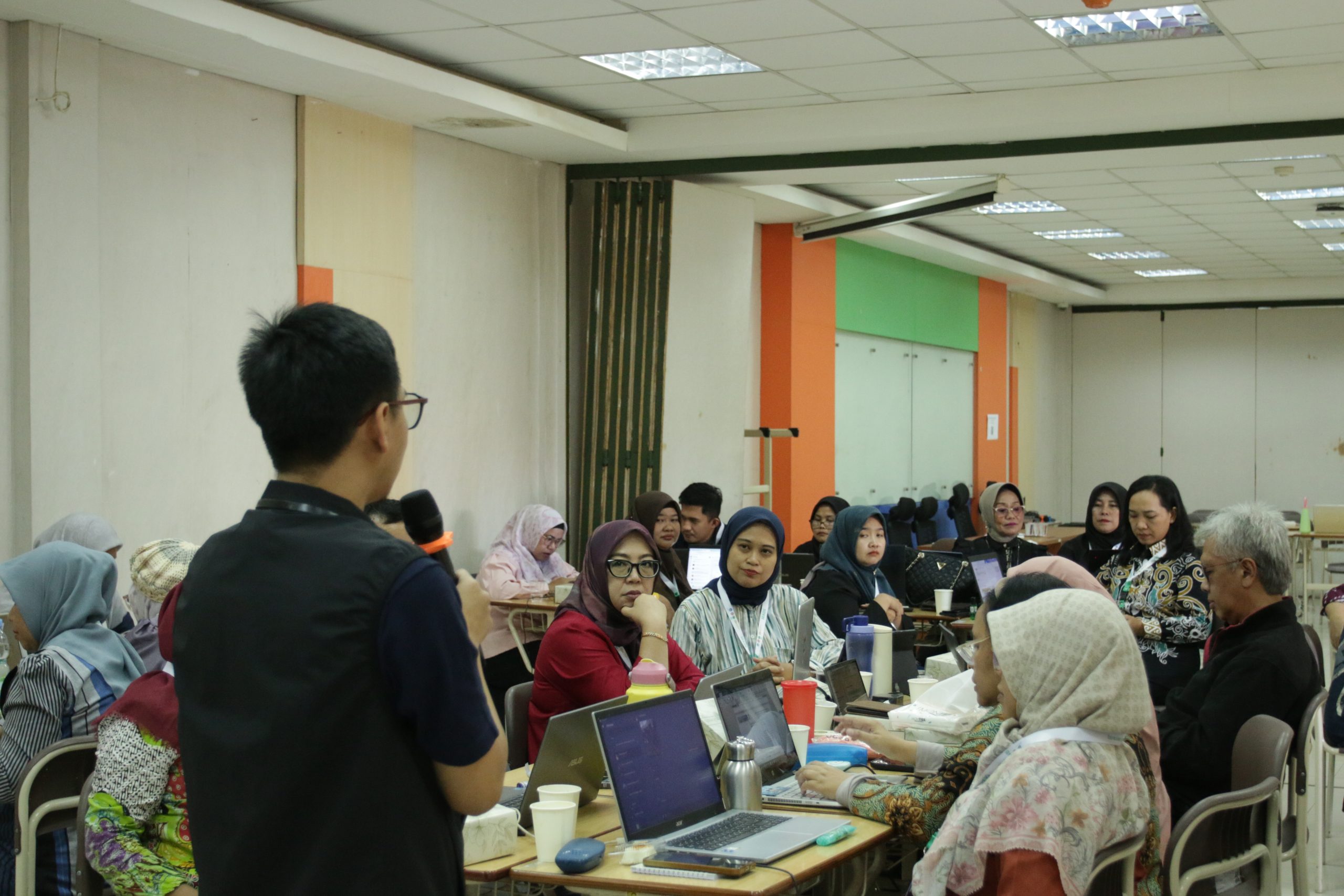
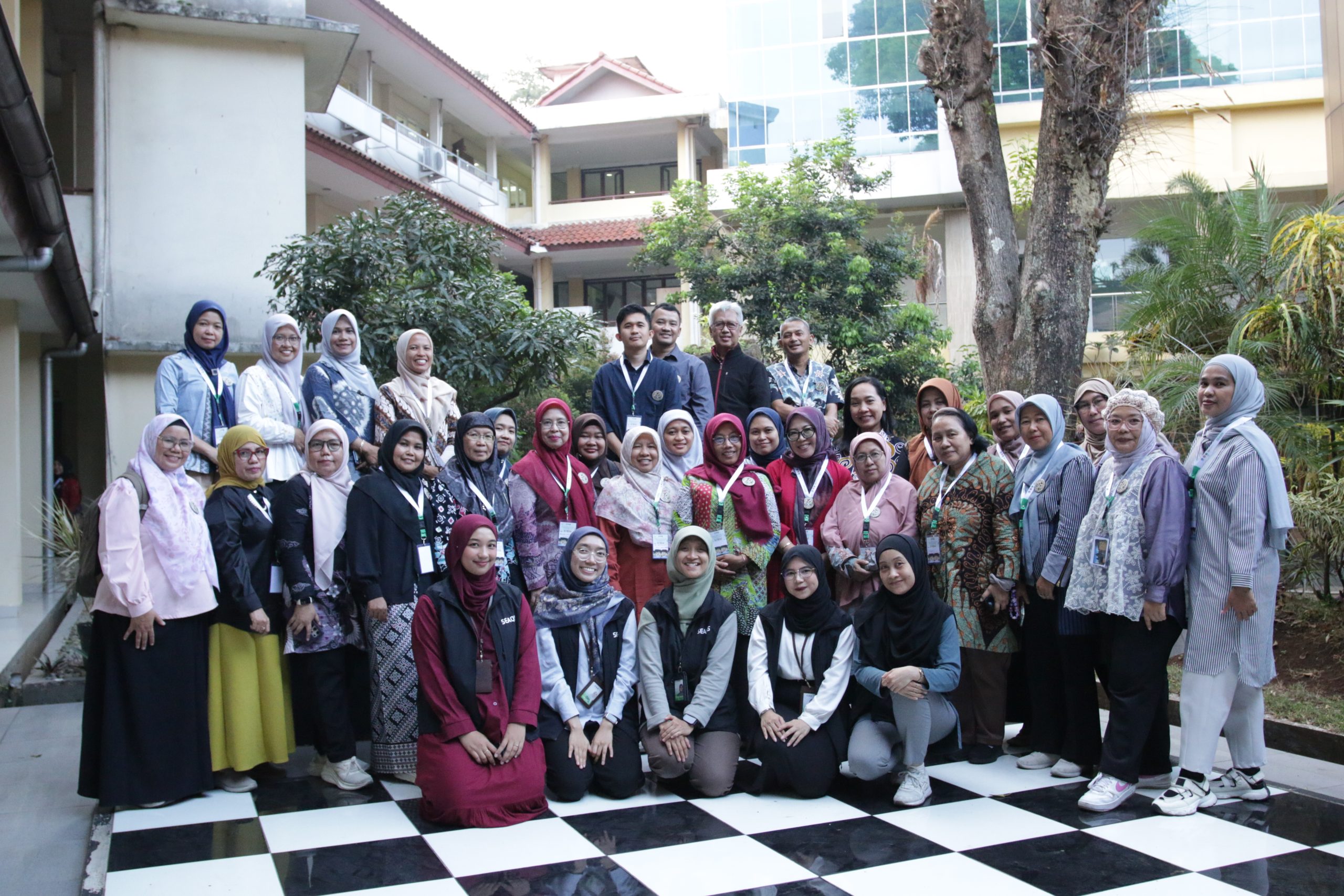
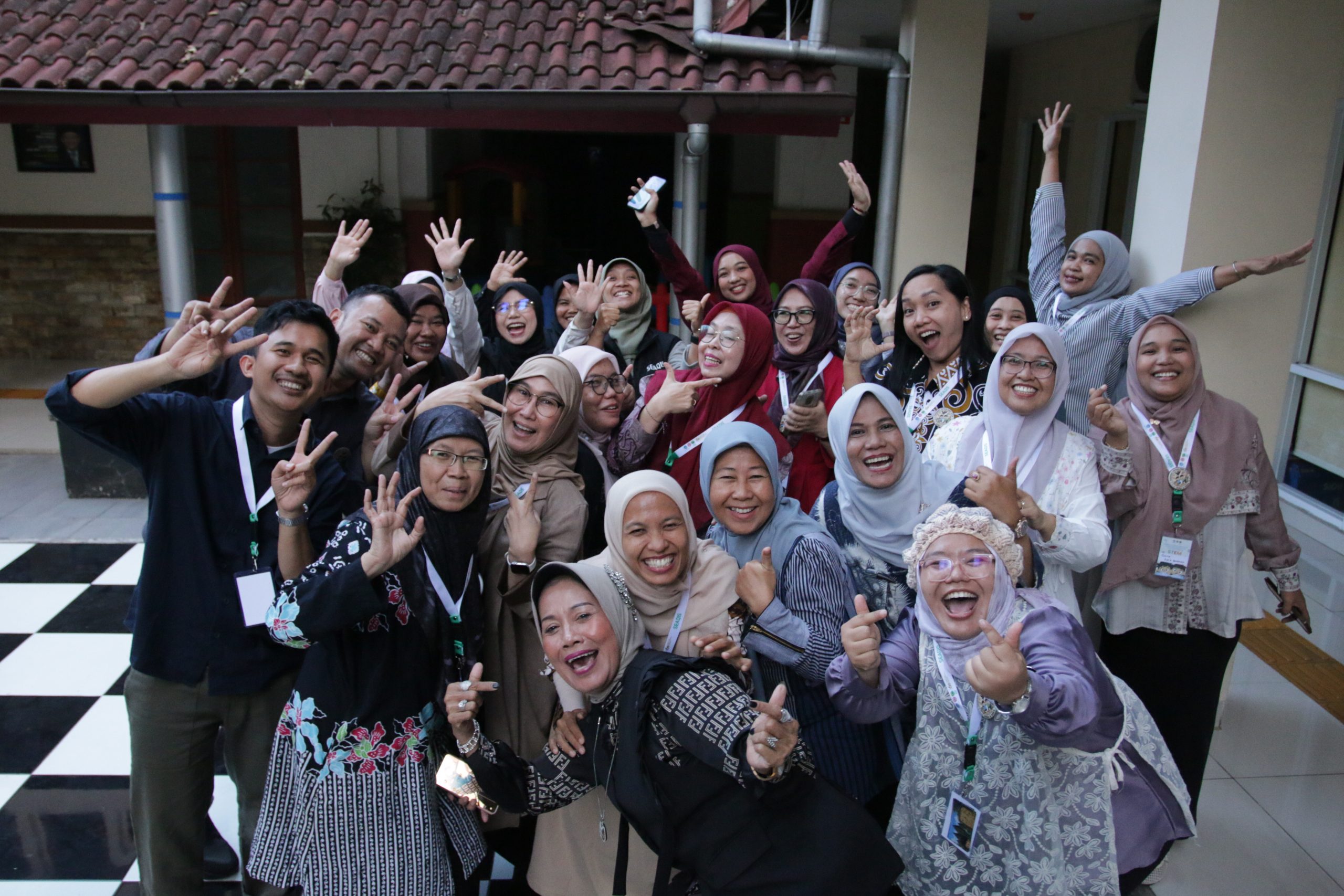
SEAMEO QITEP in Science (SEAQIS), in collaboration with the Directorate of Early Childhood Education and Non-Formal Education Teachers and Personnel (Direktorat Guru PAUD dan PNF) and the Educators Professional Development Centre in West Java (BBGTK Jawa Barat), conducted a training programme on strengthening ECE teachers’ competence in STEM learning in the Western Region of Indonesia from 10 to 13 September 2026 at BBGTK Jawa Barat.
As part of SEAQIS’ STEM Learning for Early Childhood Education programme and its national scaling-up efforts, the training built on findings and recommendations from the STEM for ECE policy brief and continued the programme’s regional implementation following the training in the Eastern Region of Indonesia. The programme aimed to strengthen teachers’ capacity to design and implement contextual STEM learning appropriate to young children’s developmental needs and brought together 33 participants, comprising ECE teachers and representatives from relevant Technical Support Units (UPT) from across Indonesia.
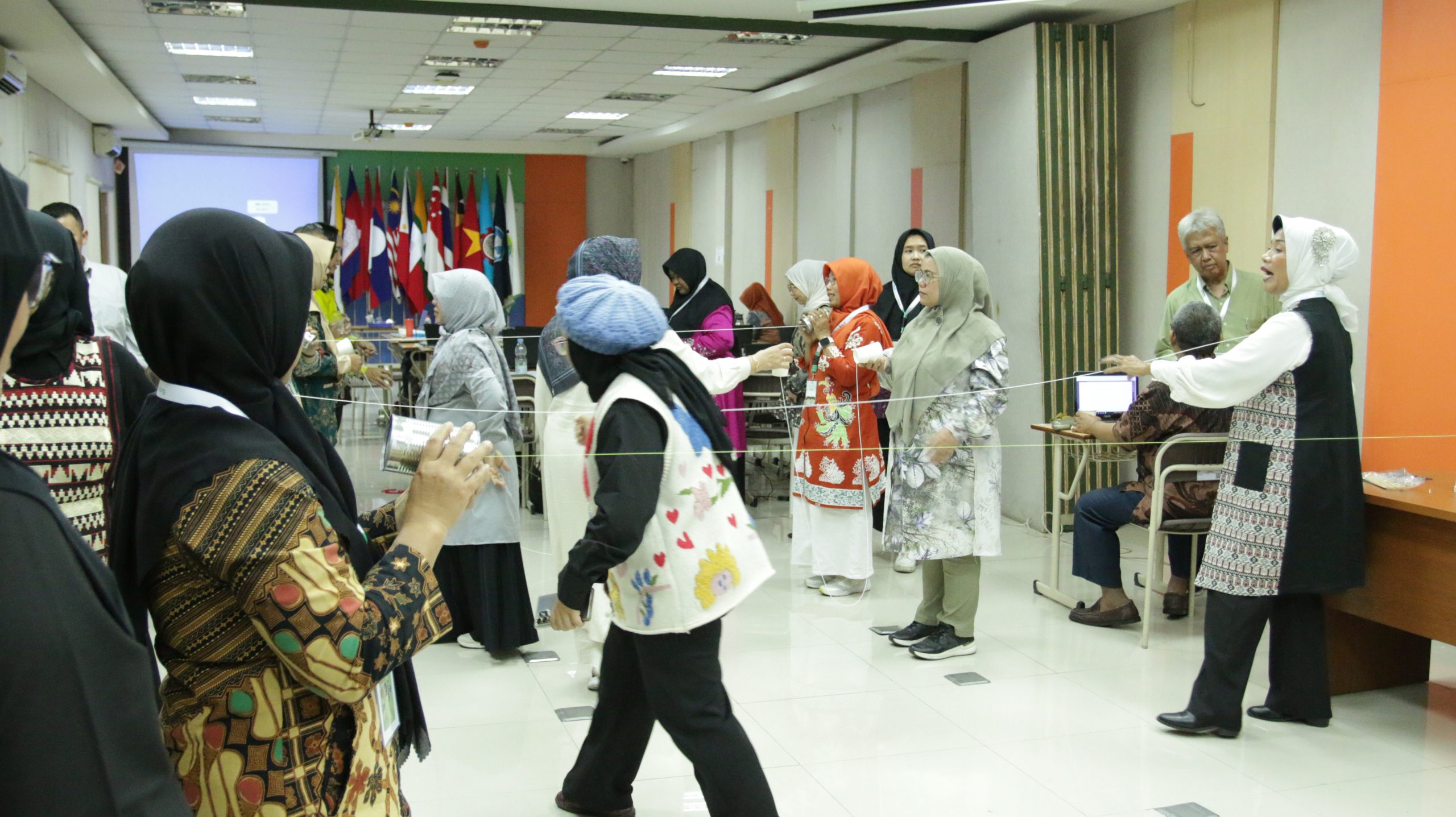
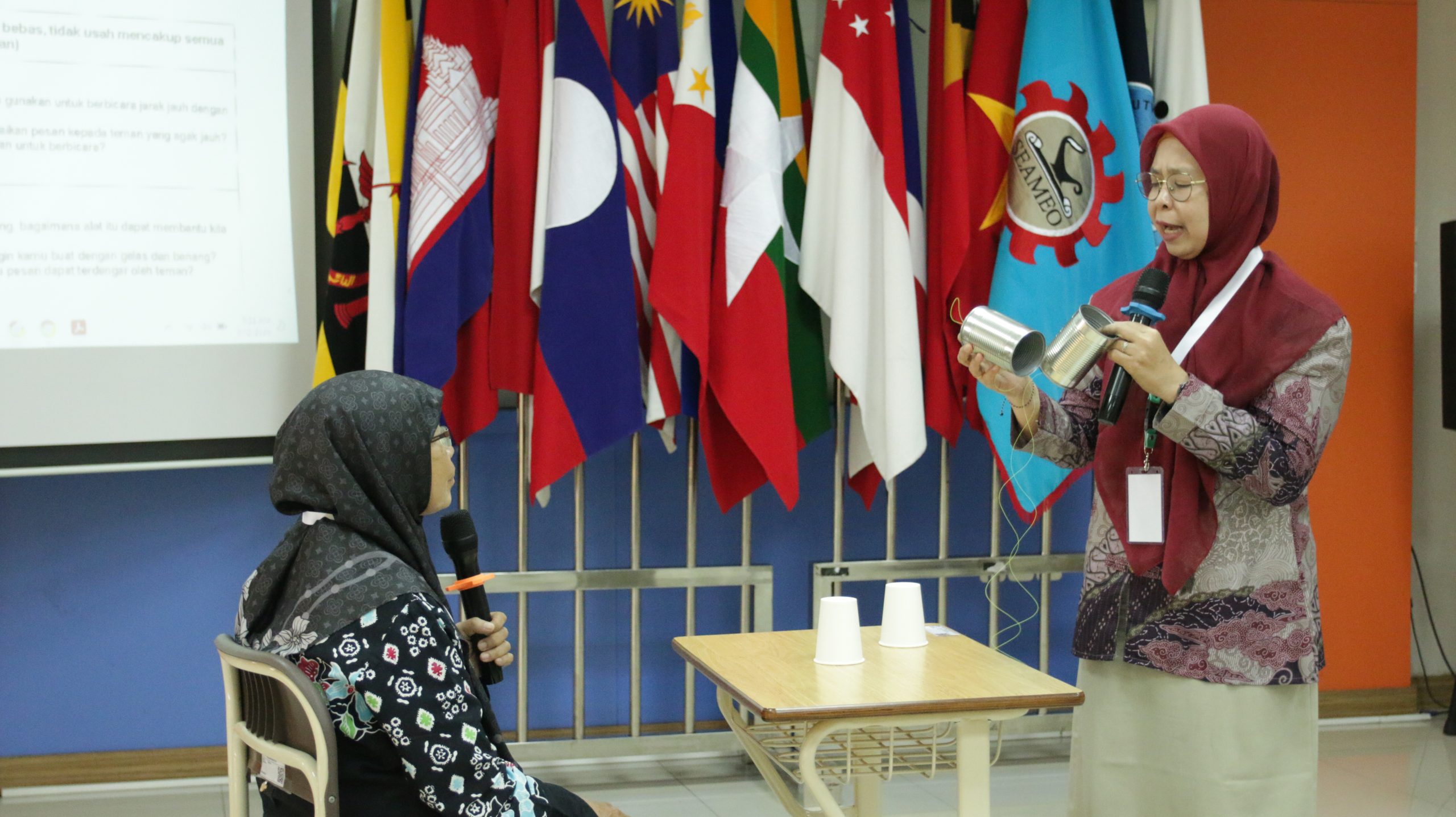
Designed to enhance participants’ understanding and practical skills in developing contextual STEM learning experiences appropriate for young children’s developmental stages, the programme featured interactive lectures, discussions, hands-on activities, reflection, assessment, and mentoring. Participants explored the foundations and characteristics of STEM learning in ECE, STEM-based lesson planning, classroom practices, teaching material development, and learning assessment.
A key feature of the programme was its In-On learning model, which combines In-Service Training through face-to-face sessions and On-the-Job Learning through hybrid mentoring. During the In-Service Training stage, participants engaged directly with resource persons, facilitators, and fellow teachers. The learning continued during the On-the-Job Learning stage, with participants receiving online guidance to develop STEM learning tools, formulate dissemination strategies, and implement STEM learning in their respective ECE settings.
The programme also provided opportunities for participants to reflect on their learning and prepare for implementation in their respective schools. Through a combination of training, hands-on practice, and follow-up mentoring, participants were supported not only understanding STEM concepts but also translating them into meaningful learning experiences for young children.
By the end of the programme, participants were expected to demonstrate improved pedagogical competence in STEM learning and implement STEM-based learning in their respective schools. Through continued implementation and mentoring, the programme contributes to strengthening the foundation of STEM education from an early age and supporting young learners in developing curiosity, creativity, problem-solving skills, and a willingness to explore.
The programme reflects SEAQIS’ commitment to strengthening STEM education at the early childhood level and promoting more equitable access to quality STEM learning across different regions by equipping teachers with the knowledge, skills, and practical guidance needed to bring meaningful STEM experiences into the classroom.
Written by Salsabila Nadhifah
