
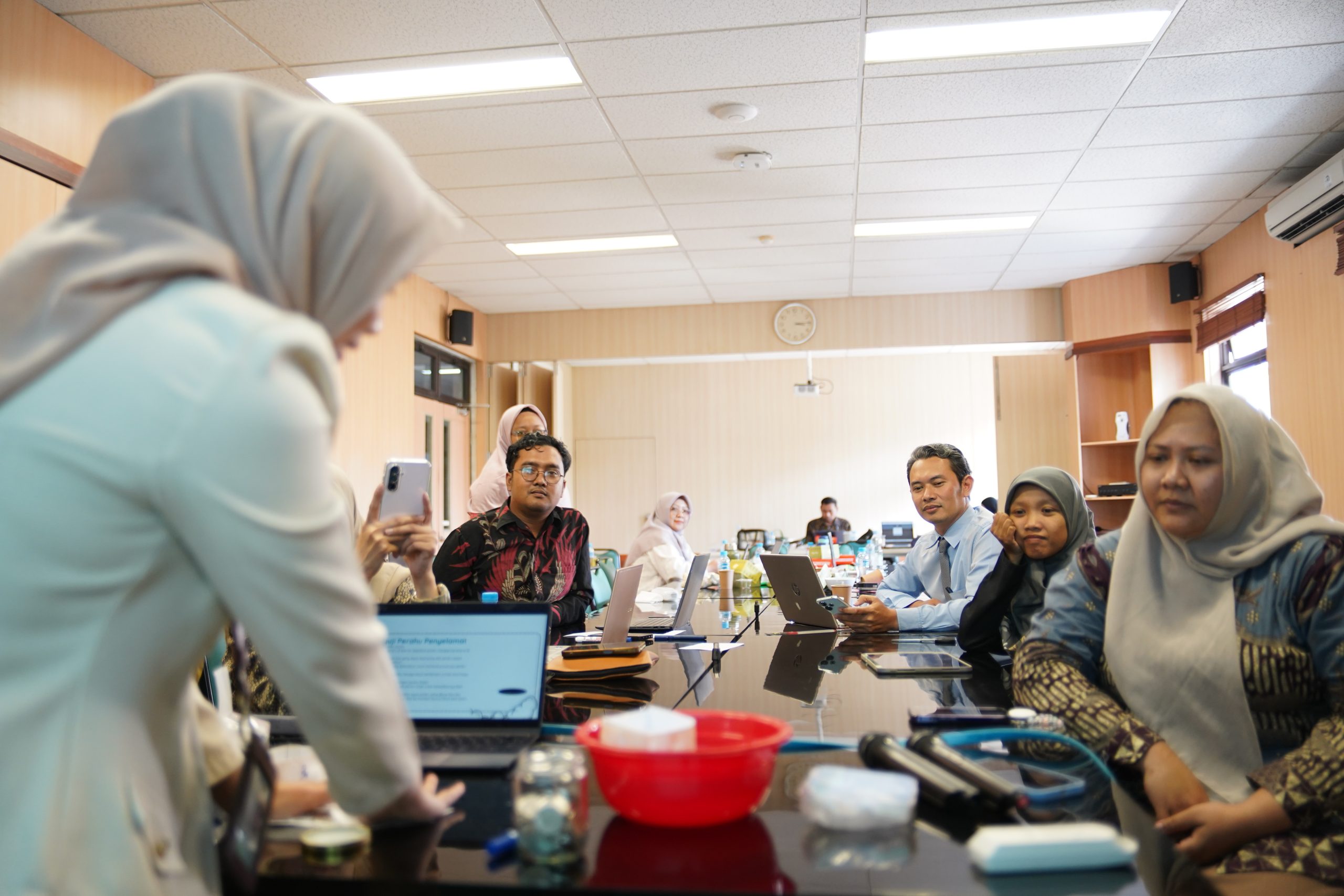
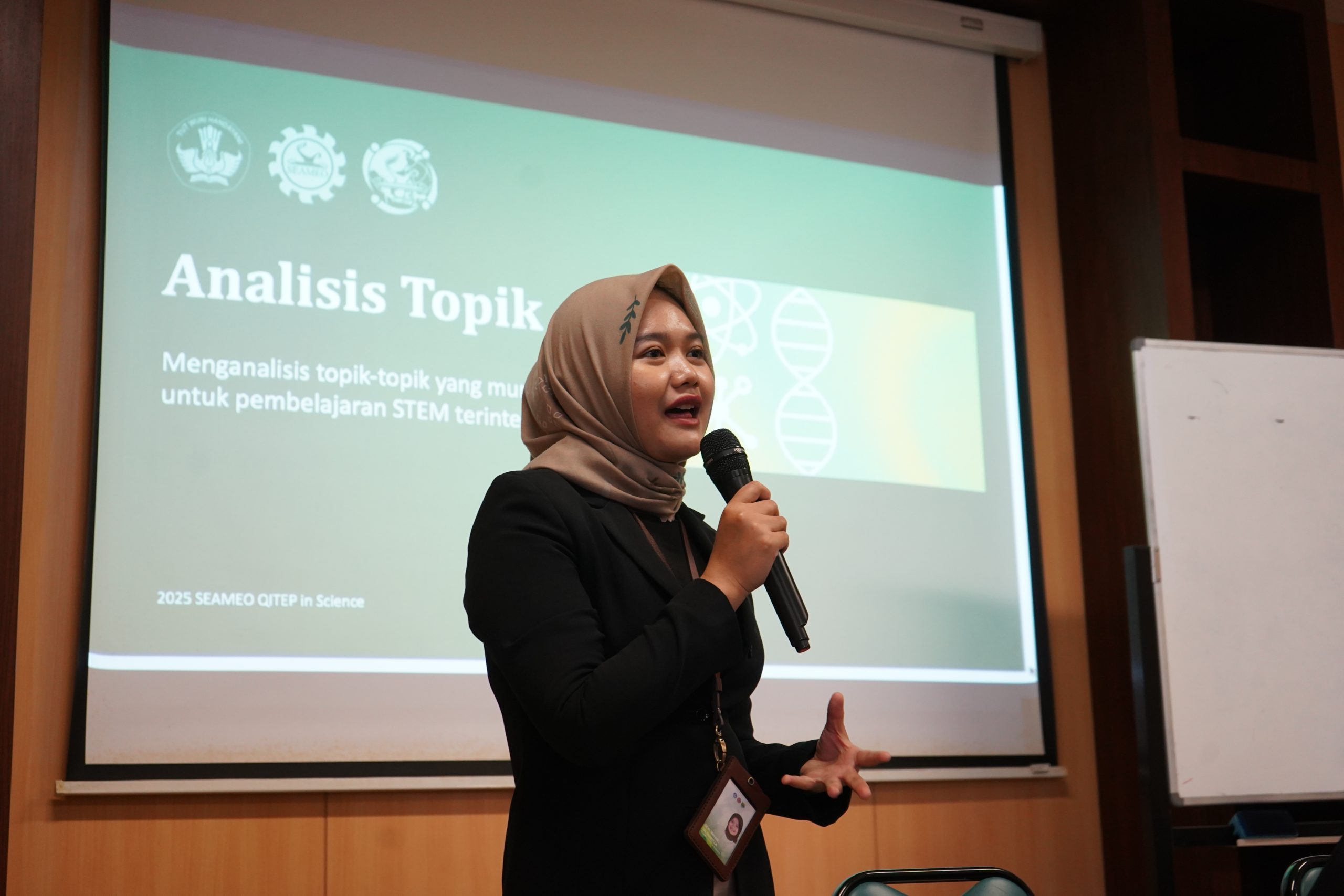
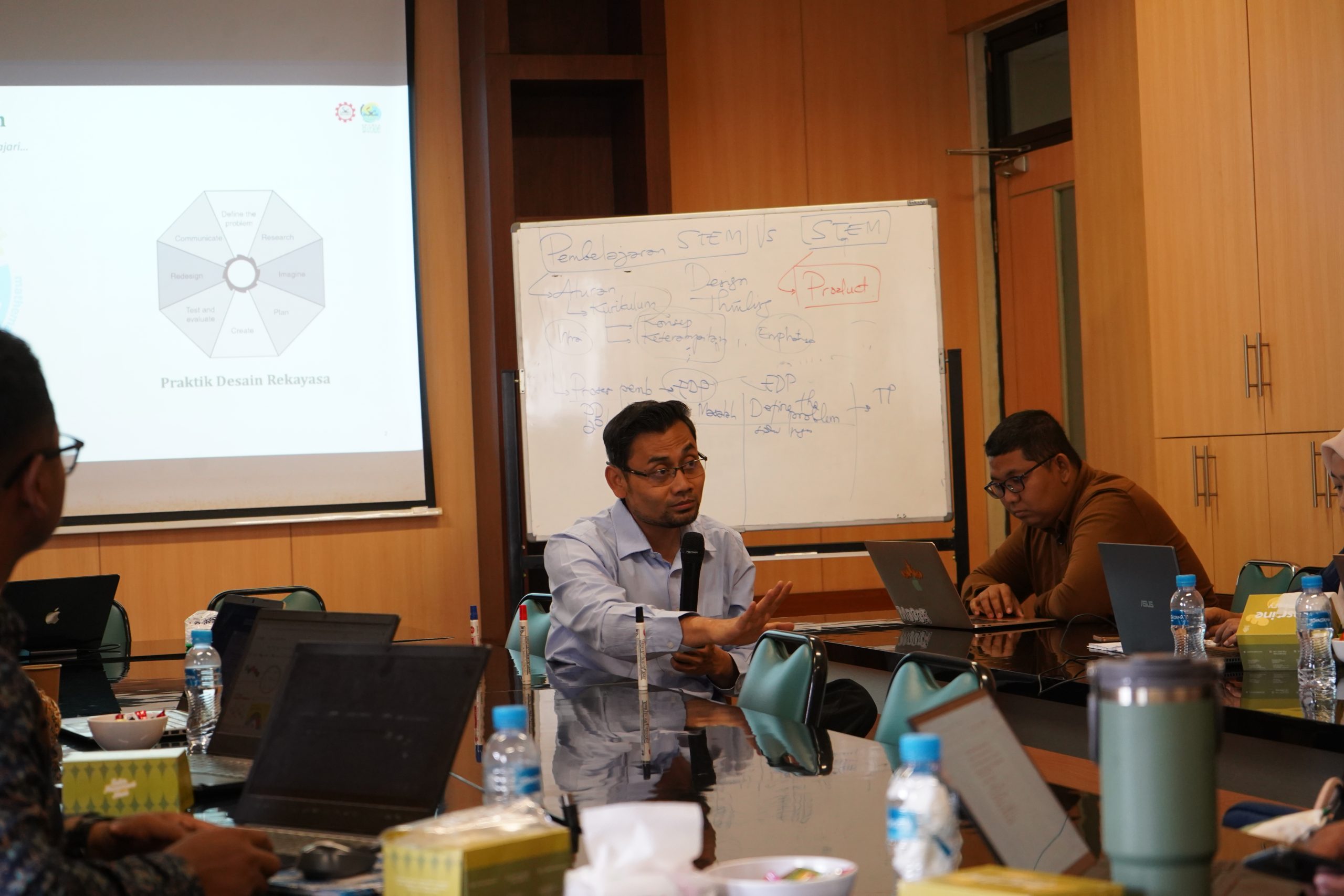
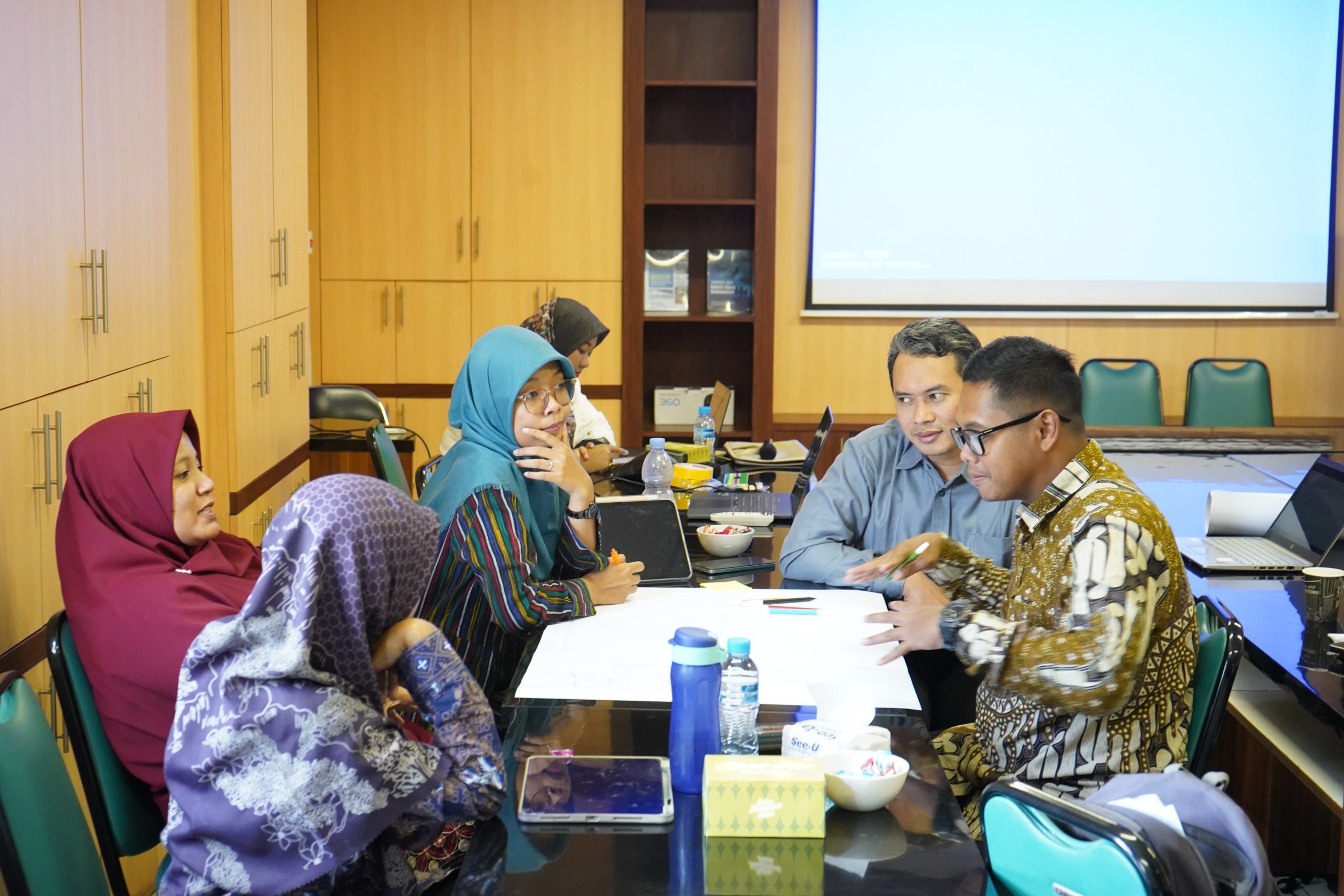
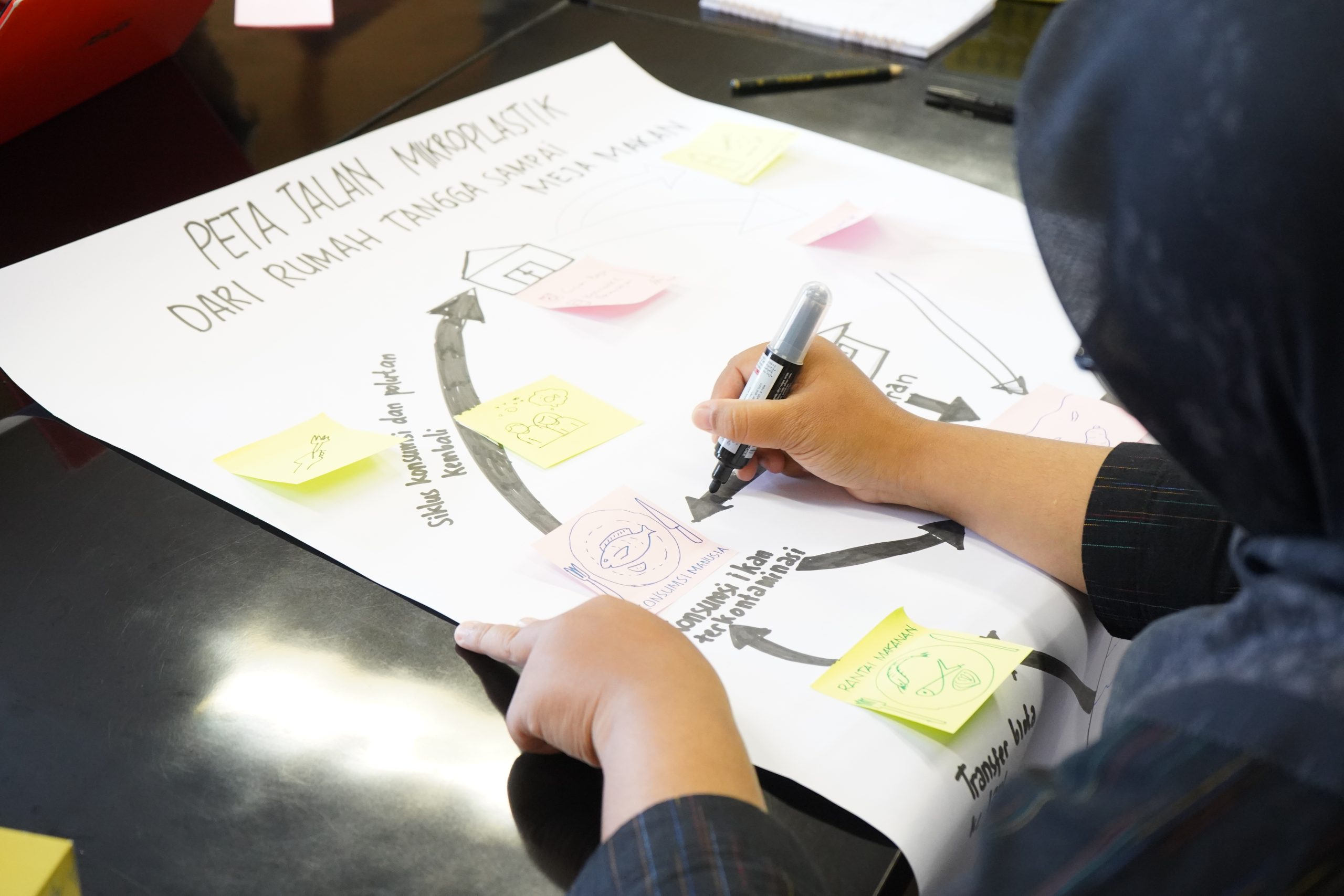
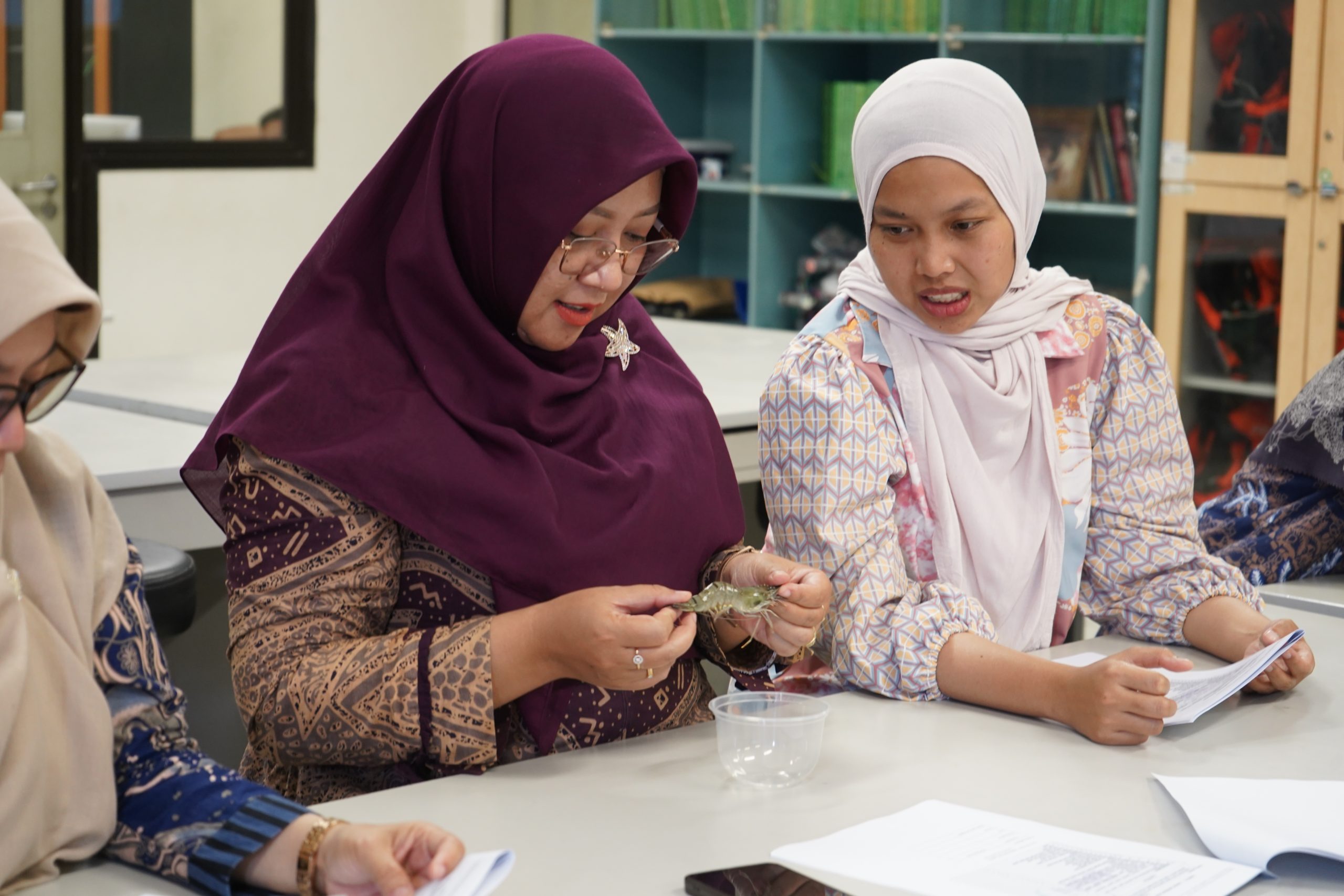
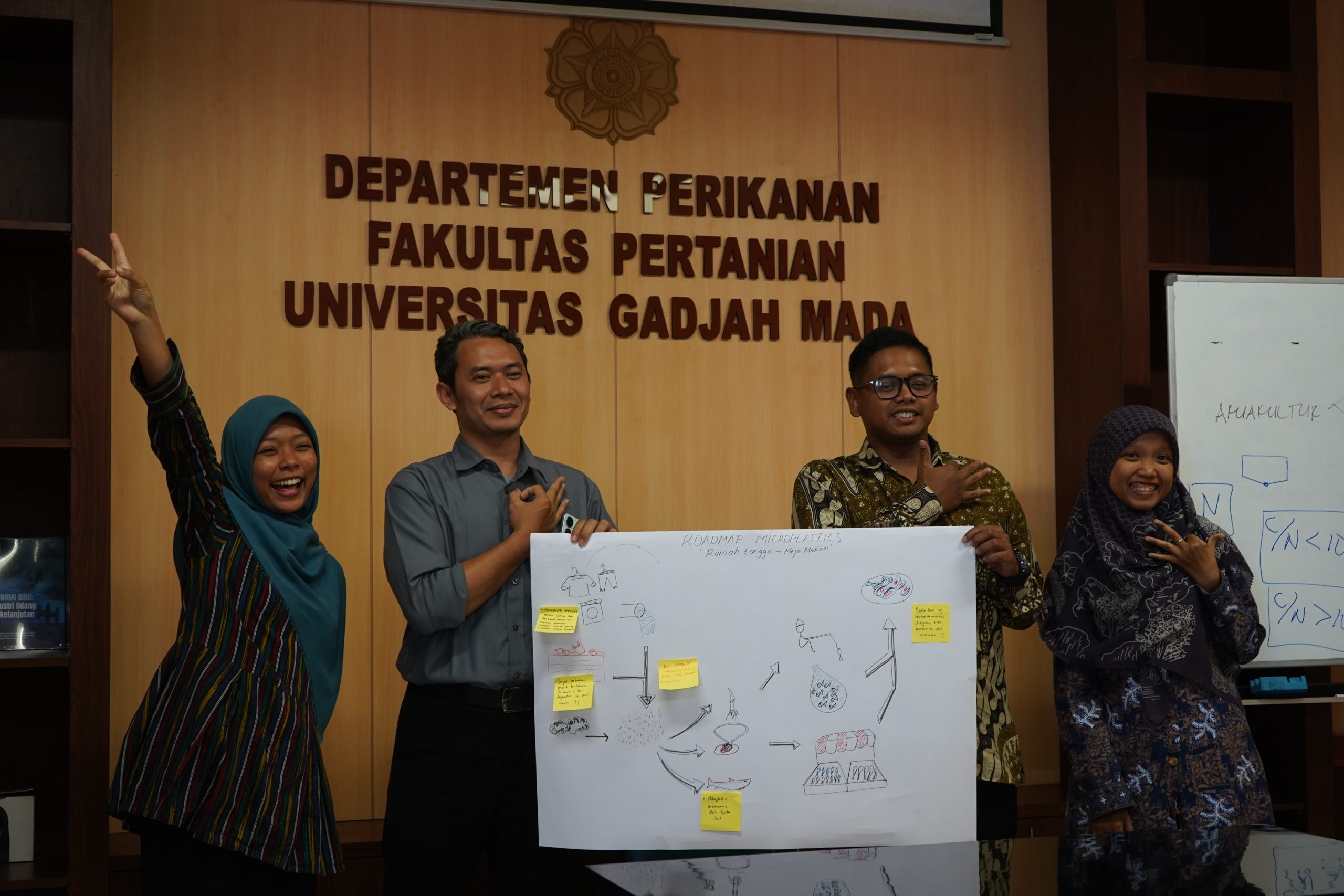
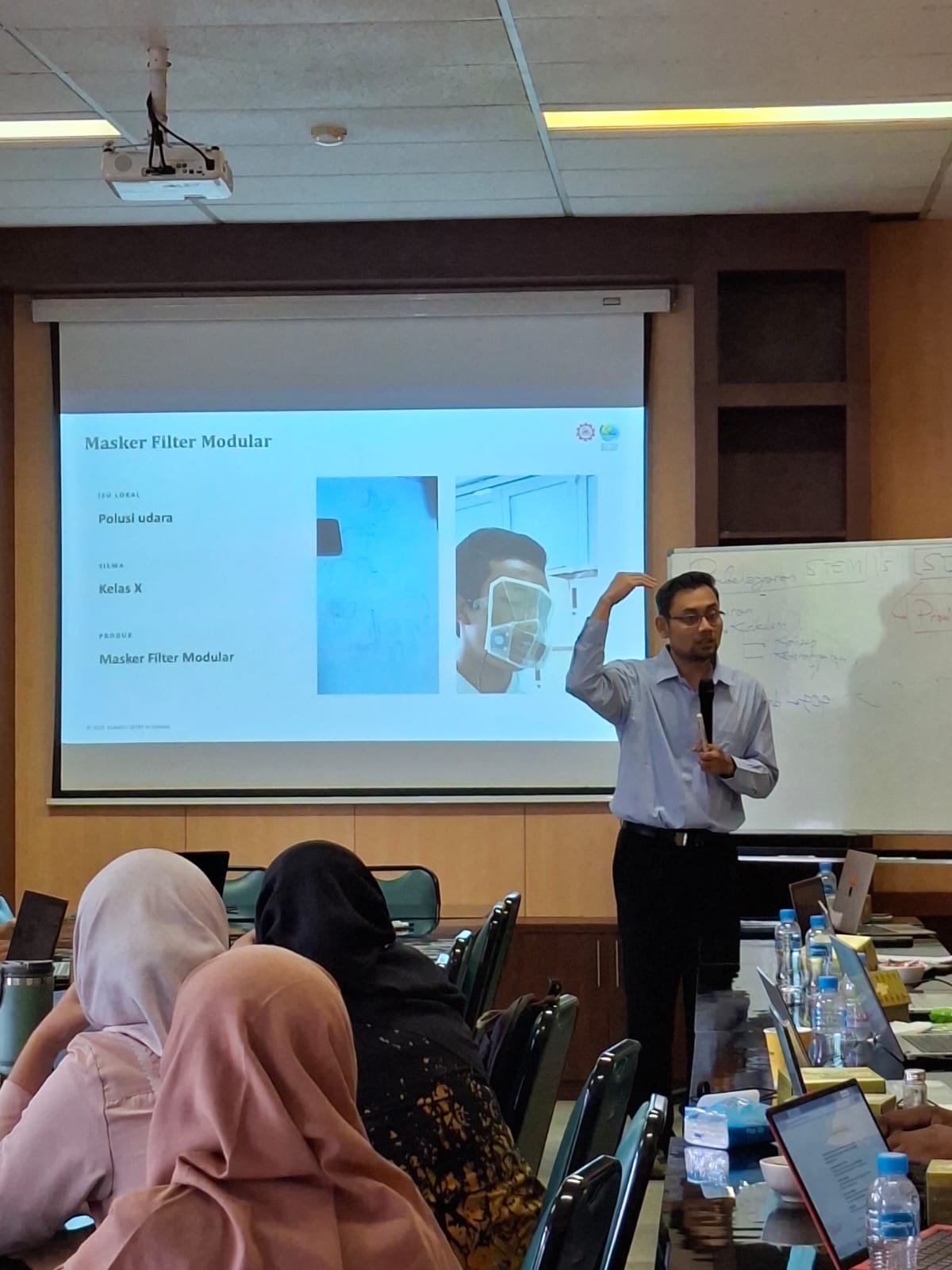
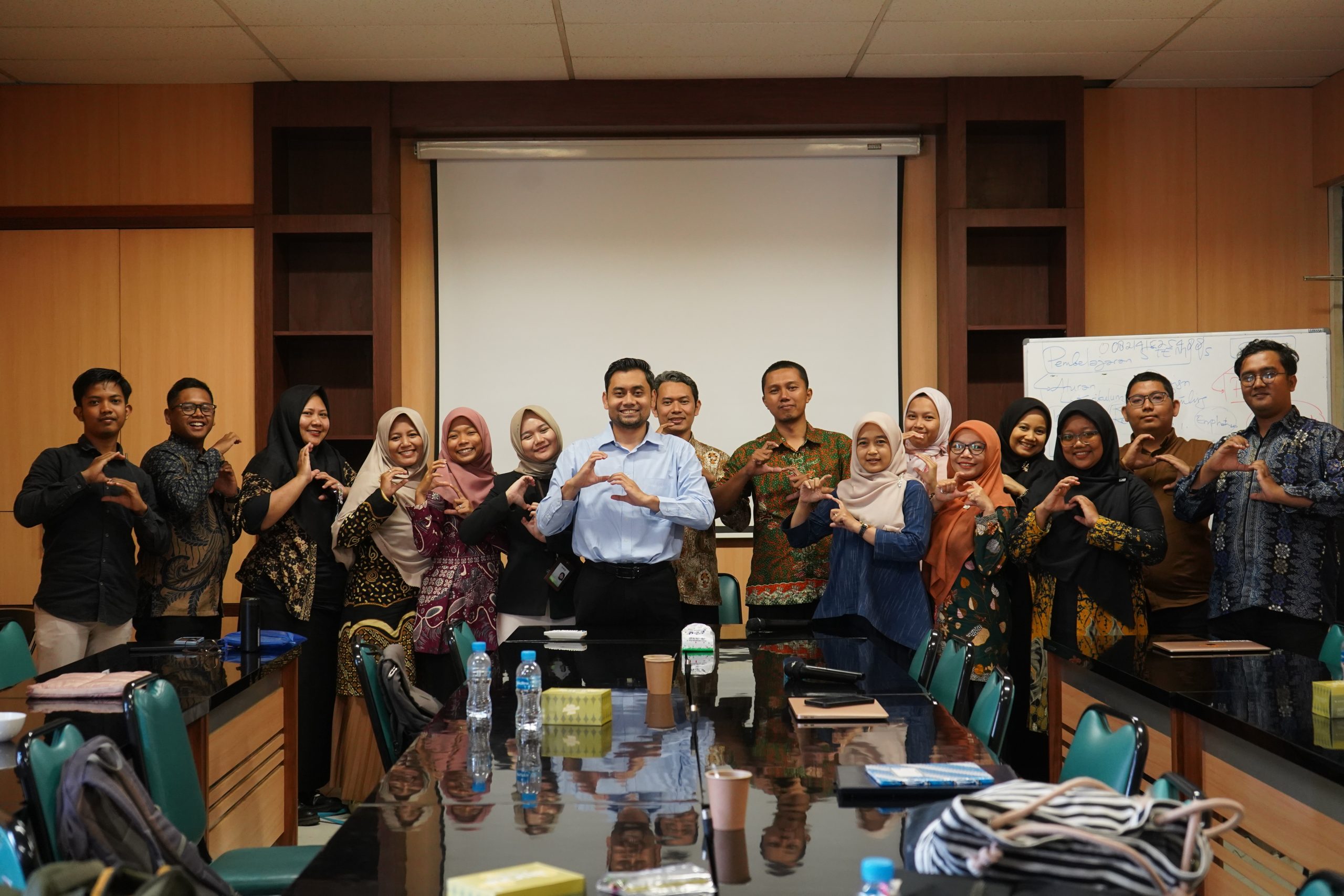
Science becomes more meaningful when students can connect what they learn in the classroom with the challenges they see around them. From aquaculture to aquatic pollution, local fisheries offer valuable opportunities to make science, technology, engineering, and mathematics (STEM) more relevant to students’ lives. Building on this potential, SEAMEO QITEP in Science (SEAQIS), in collaboration with the Department of Fisheries, Faculty of Agriculture, Universitas Gadjah Mada (UGM), conducted a fisheries-based STEM training programme for lower secondary school science teachers in the Special Region of Yogyakarta from 6–8 October 2026.
The training aimed to strengthen teachers’ competencies in planning, implementing, and evaluating fisheries-based STEM learning. By connecting scientific concepts with local contexts, the programme encouraged teachers to design innovative learning experiences that foster 21st-century skills, including critical thinking, creativity, collaboration, and problem-solving.
Throughout the three-day programme, participants explored the characteristics of STEM learning and its practical application through fisheries-related topics, including aquaculture, aquatic pollution, fisheries product packaging, as well as gender and inclusivity.
These topics provided opportunities for teachers to explore how local resources and real-world challenges can become meaningful learning contexts. Through STEM-based activities, students can investigate problems, apply scientific concepts, and develop practical solutions relevant to their surroundings, particularly in coastal communities.
The programme also aimed to enhance teachers’ independence in designing and evaluating innovative STEM learning activities. By strengthening their understanding of STEM principles and contextual approaches, teachers are expected to adapt their teaching strategies to students’ needs and the characteristics of their local environments.
Through this collaboration, SEAQIS and UGM contribute to strengthening science education through contextual, inclusive, and innovative learning. By bringing local challenges into the classroom, fisheries-based STEM education can help students see science not merely as a subject to study, but as a tool for understanding and addressing the world around them.
Written by Salsabila Nadhifah
