
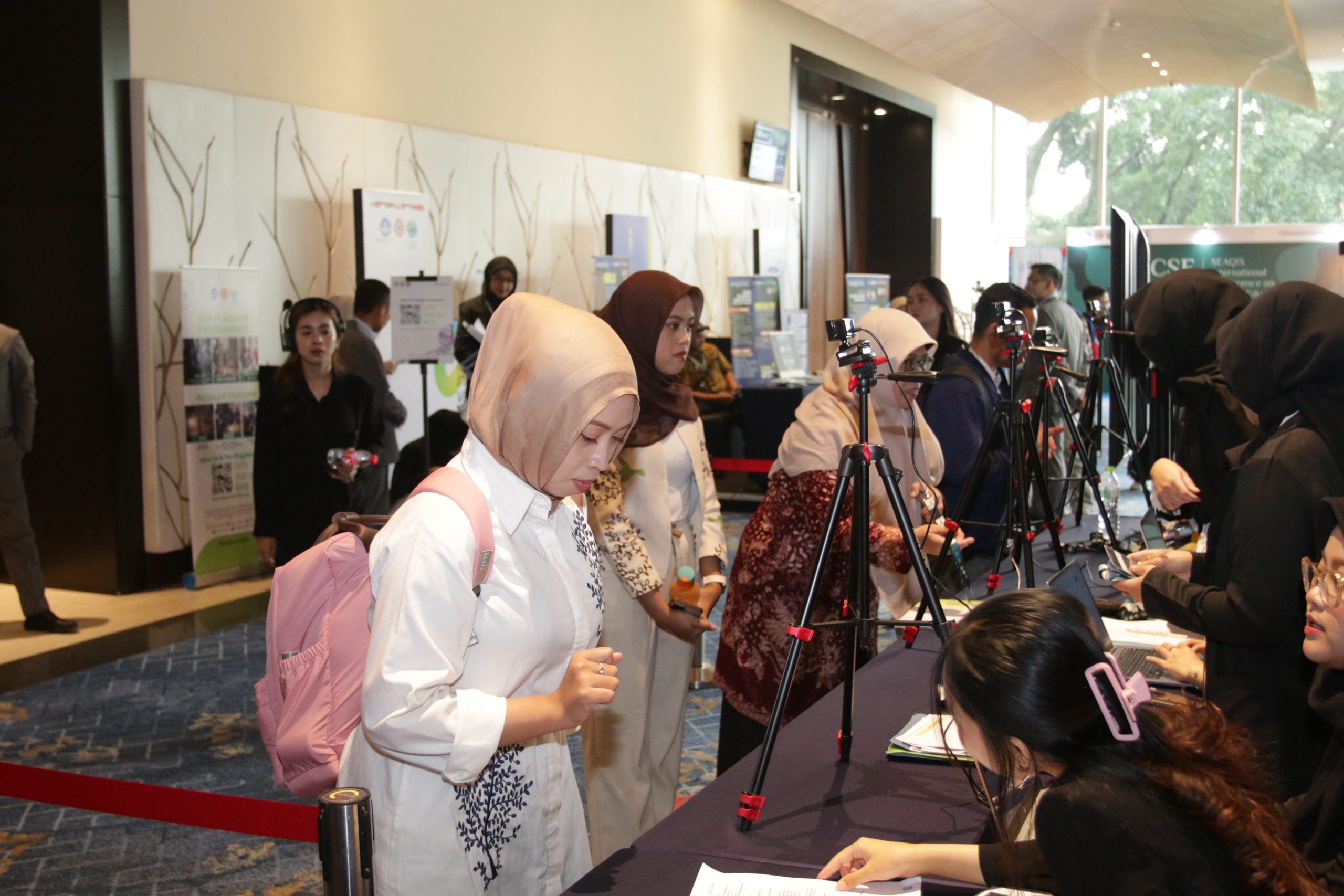
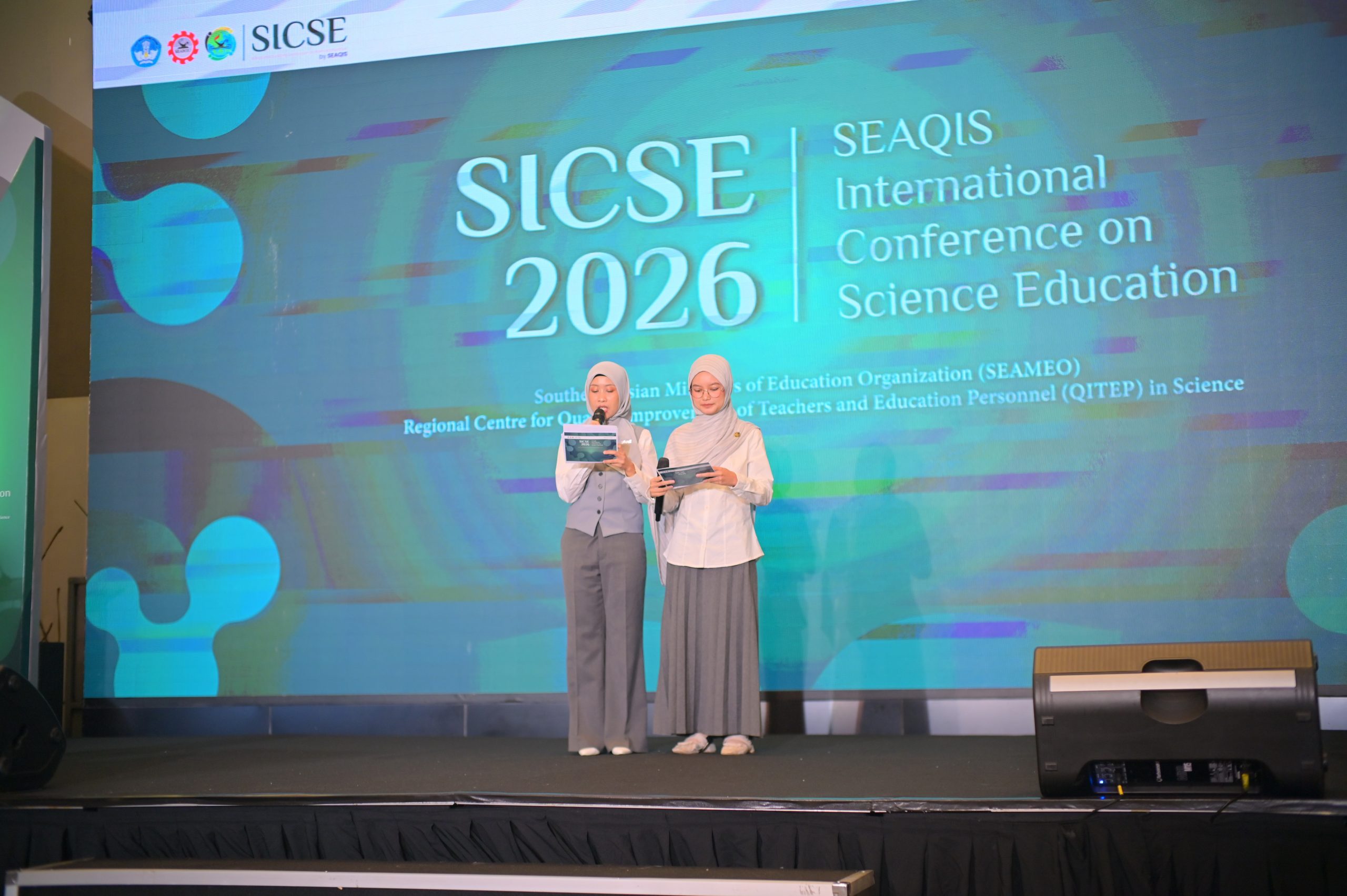
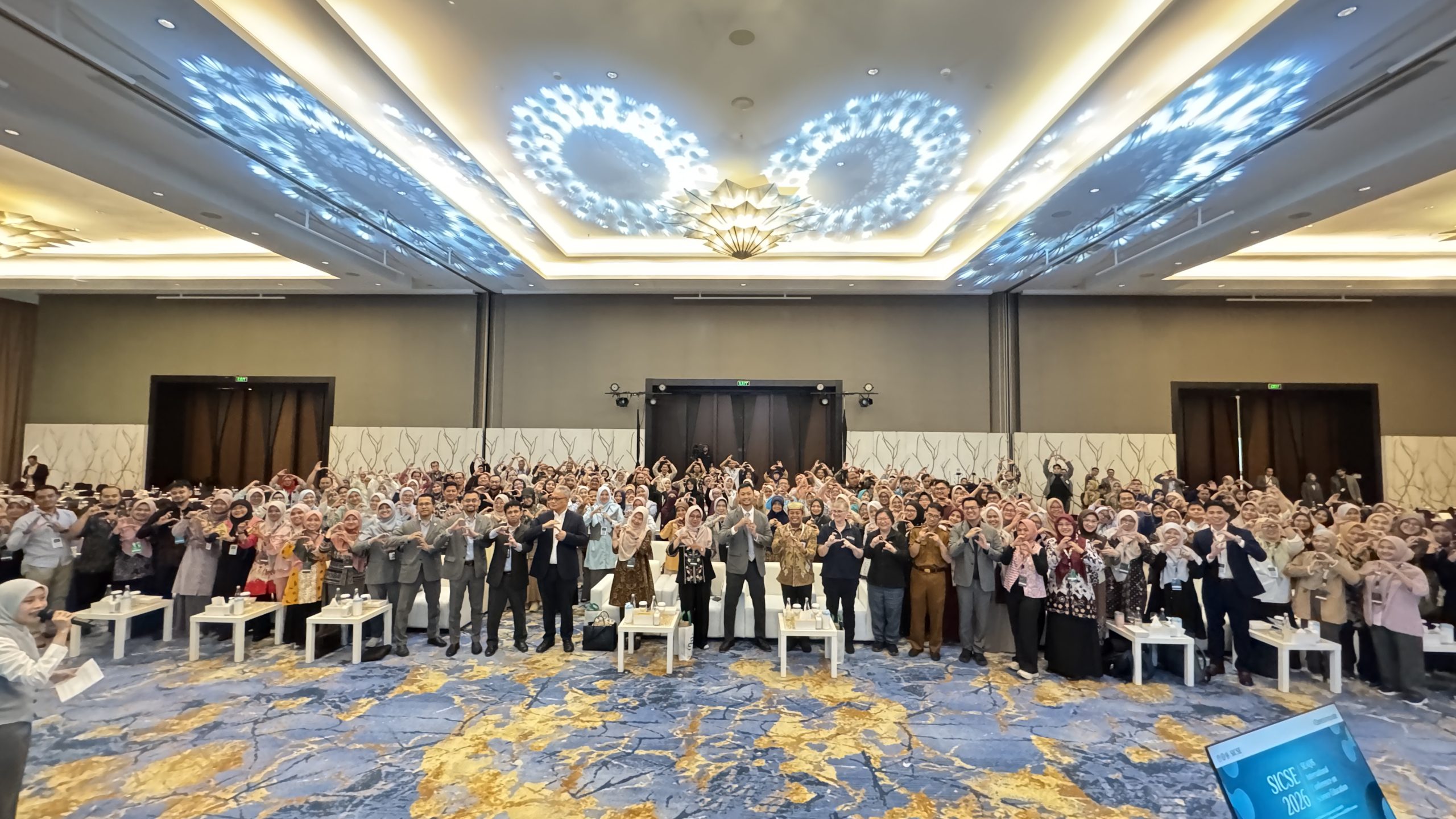
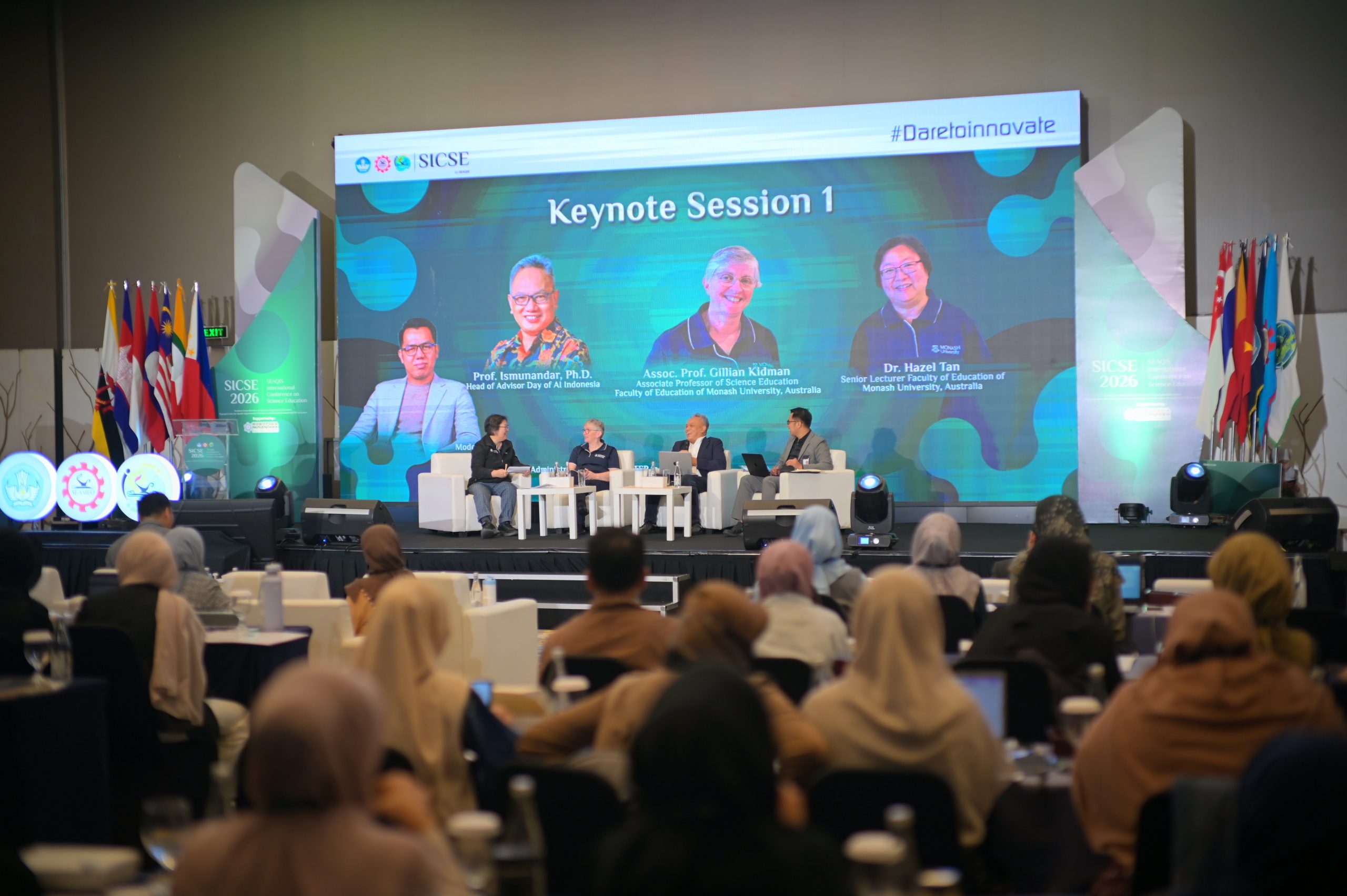
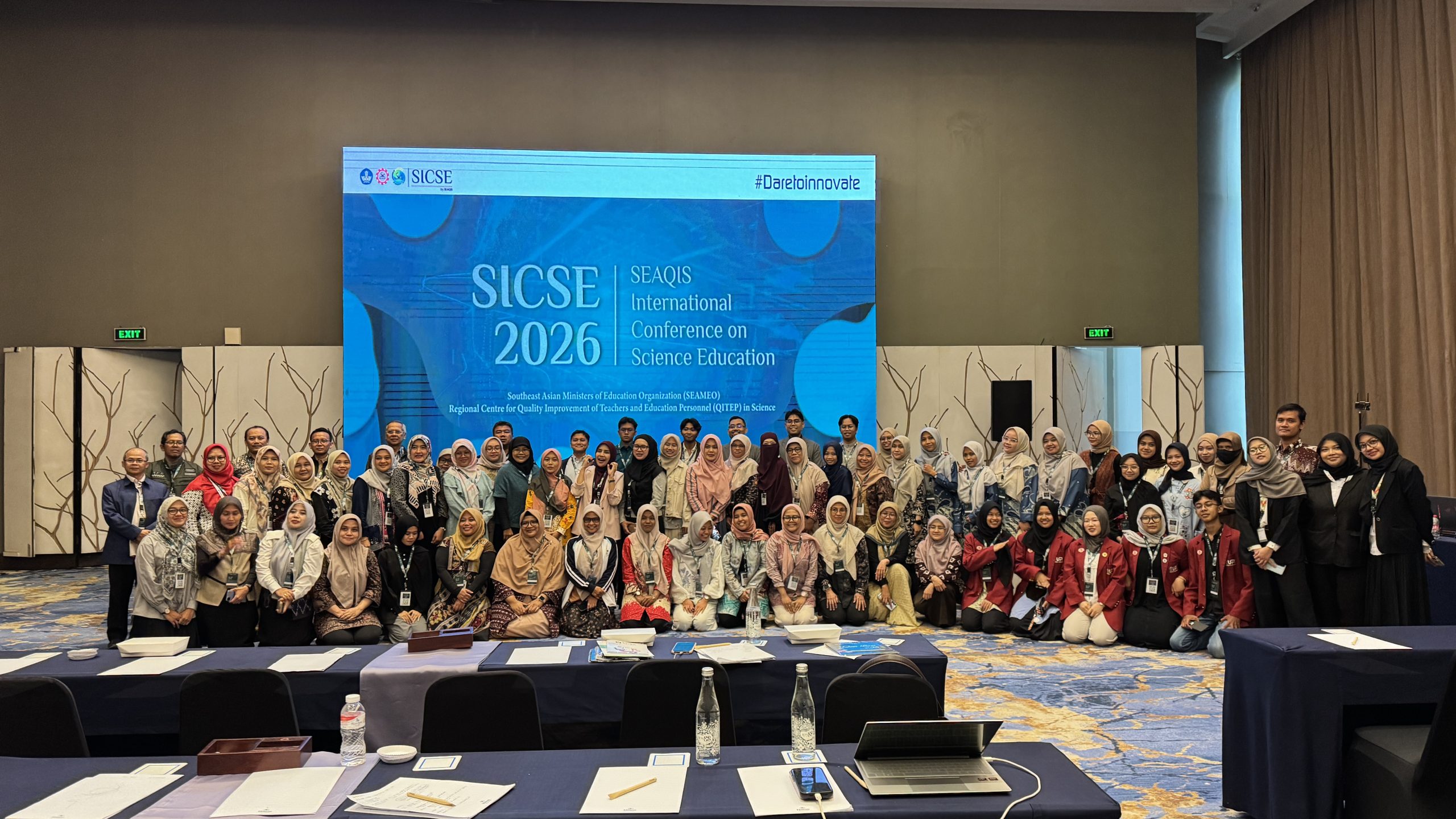
SEAQIS International Conference on Science Education (SICSE) 2026 was organised by the SEAMEO Regional Centre for Quality Improvement of Teachers and Education Personnel in Science (SEAQIS) on 2 June 2026 at the Hilton Bandung, Indonesia. Centred on the theme “Empowering Science Learners through Inquiry-Based Education,” the conference brought together approximately 250 participants from Indonesia and the Philippines. SICSE 2026 served as a forum for educators, researchers, policymakers, and education practitioners to exchange ideas, disseminate research findings, and strengthen collaboration in advancing inquiry-based science education.
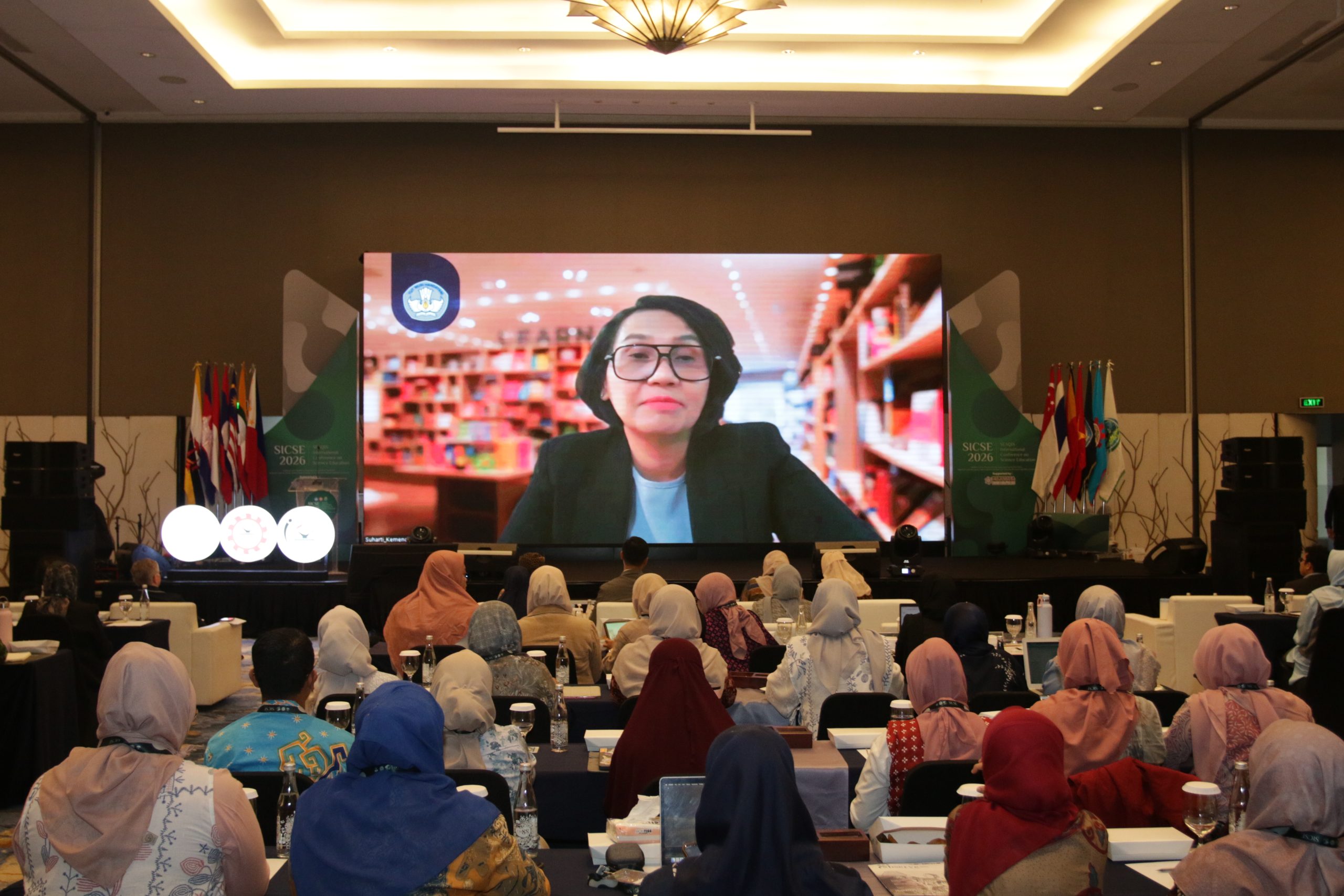
The conference was officially opened by Mr Reza Setiawan, Director of SEAQIS, who emphasised the importance of collaboration and innovation in improving science education. He highlighted that empowering learners begins with empowering teachers through continuous professional development, training, and mentoring. His remarks were followed by an address from Ir Suharti, M.A., Ph.D., Secretary General of the Ministry of Primary and Secondary Education, who expressed her hope that the conference would contribute to accelerating innovation, strengthening educator capacity, and expanding collaborative networks to improve the quality of science education across Southeast Asia.
Throughout the conference, participants explored key topics in contemporary science education, including inquiry-based learning, STEM integration, the application of artificial intelligence (AI) in educational settings, and pedagogical innovations that respond to the demands of the 21st century.
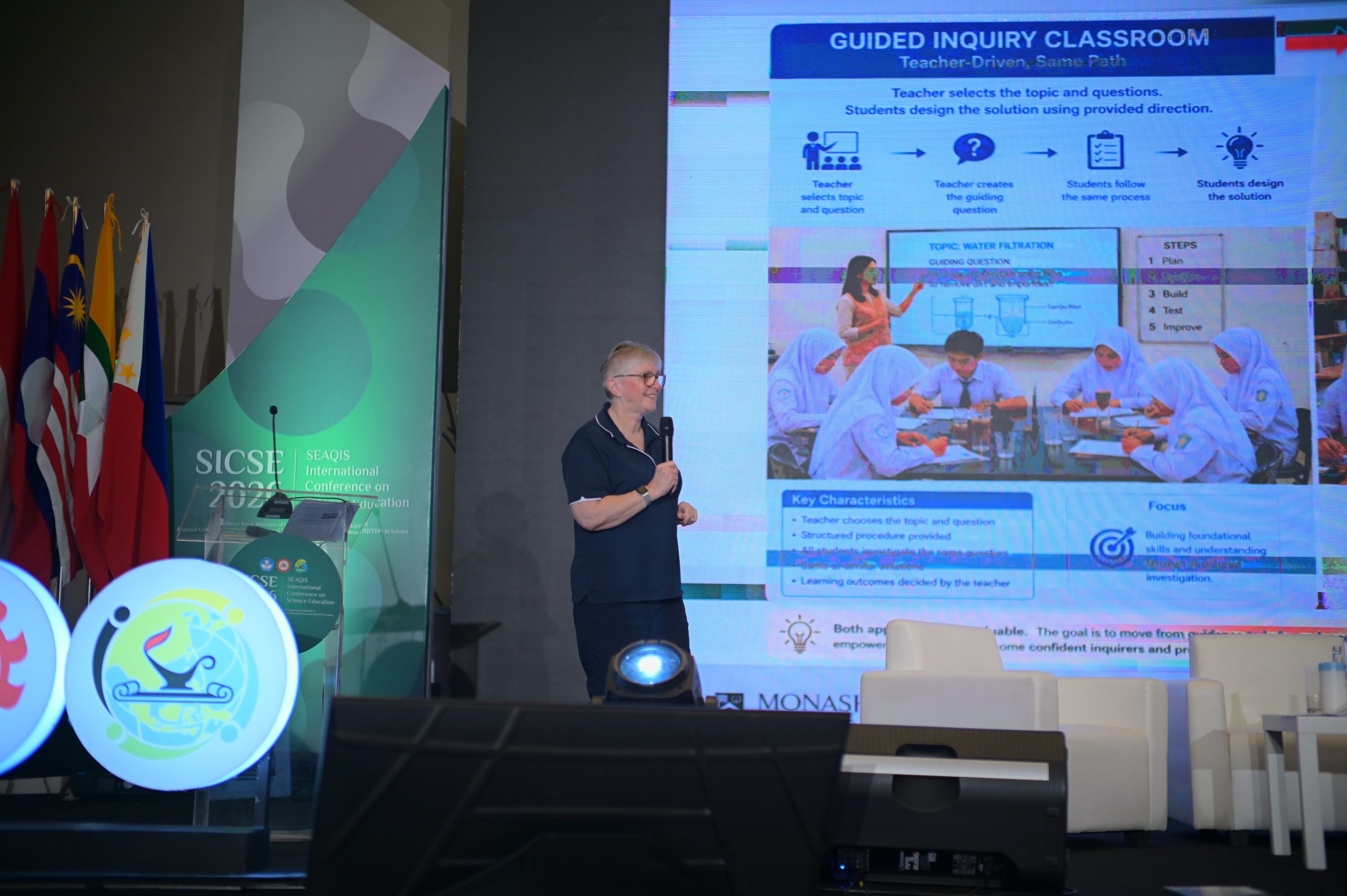
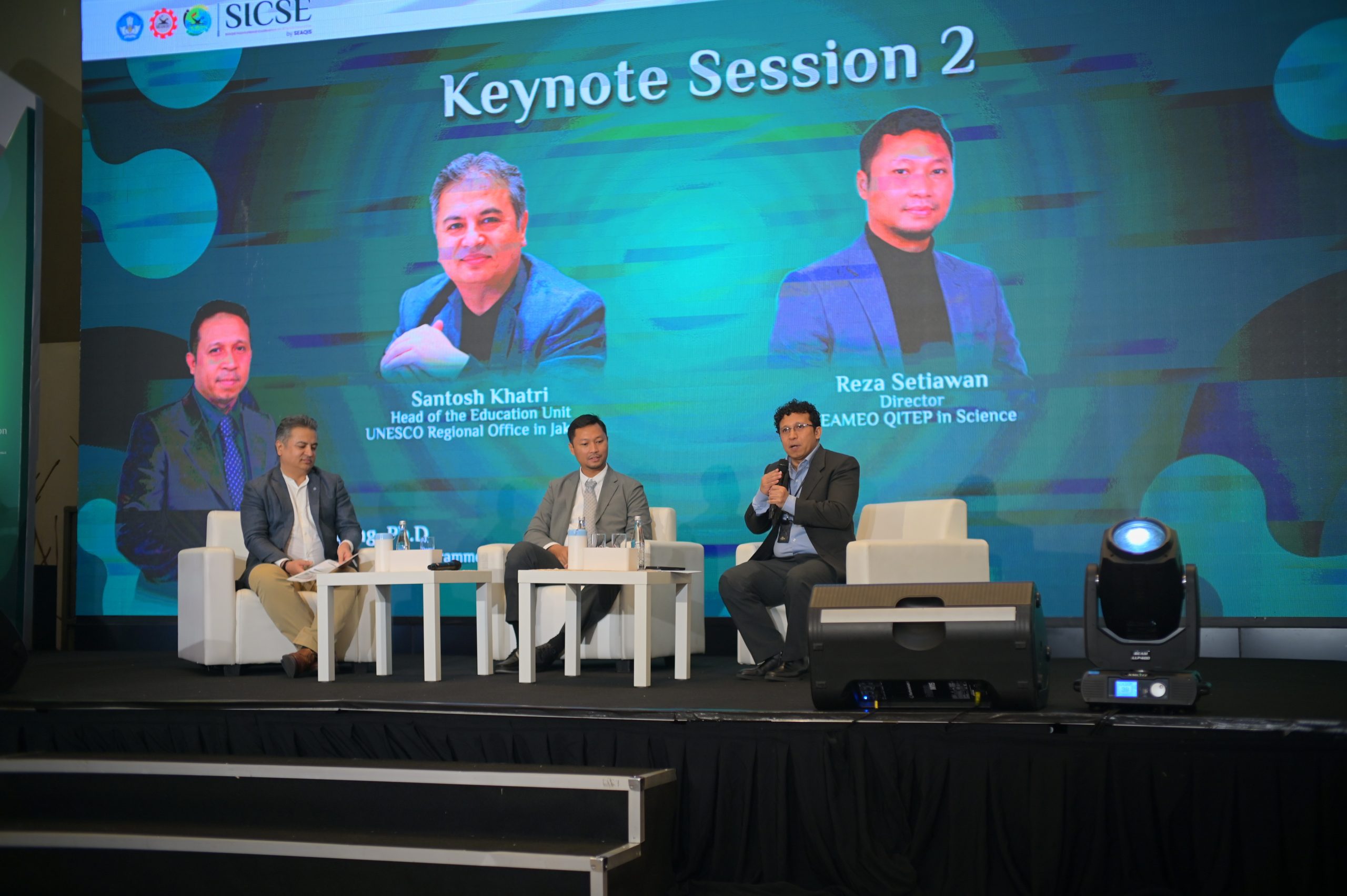
The keynote sessions featured distinguished speakers who shared diverse perspectives on advancing science education. Prof Ismunandar, Ph.D., presented how AI can be meaningfully integrated into teaching through the CIS-AI framework, which incorporates cultural contexts and local wisdom. Assoc. Prof Gillian Kidman and Dr Hazel Tan from Monash University, Australia, introduced the Consume Produce Transform approach, encouraging students to become active creators of knowledge rather than passive recipients of information. Santosh Khatri from the UNESCO Regional Office Jakarta emphasised the importance of supporting teachers as a foundation for educational improvement. Meanwhile, Mr Reza Setiawan introduced the VeeBO platform as a tool to support continuous teacher professional development through classroom video-based reflection.
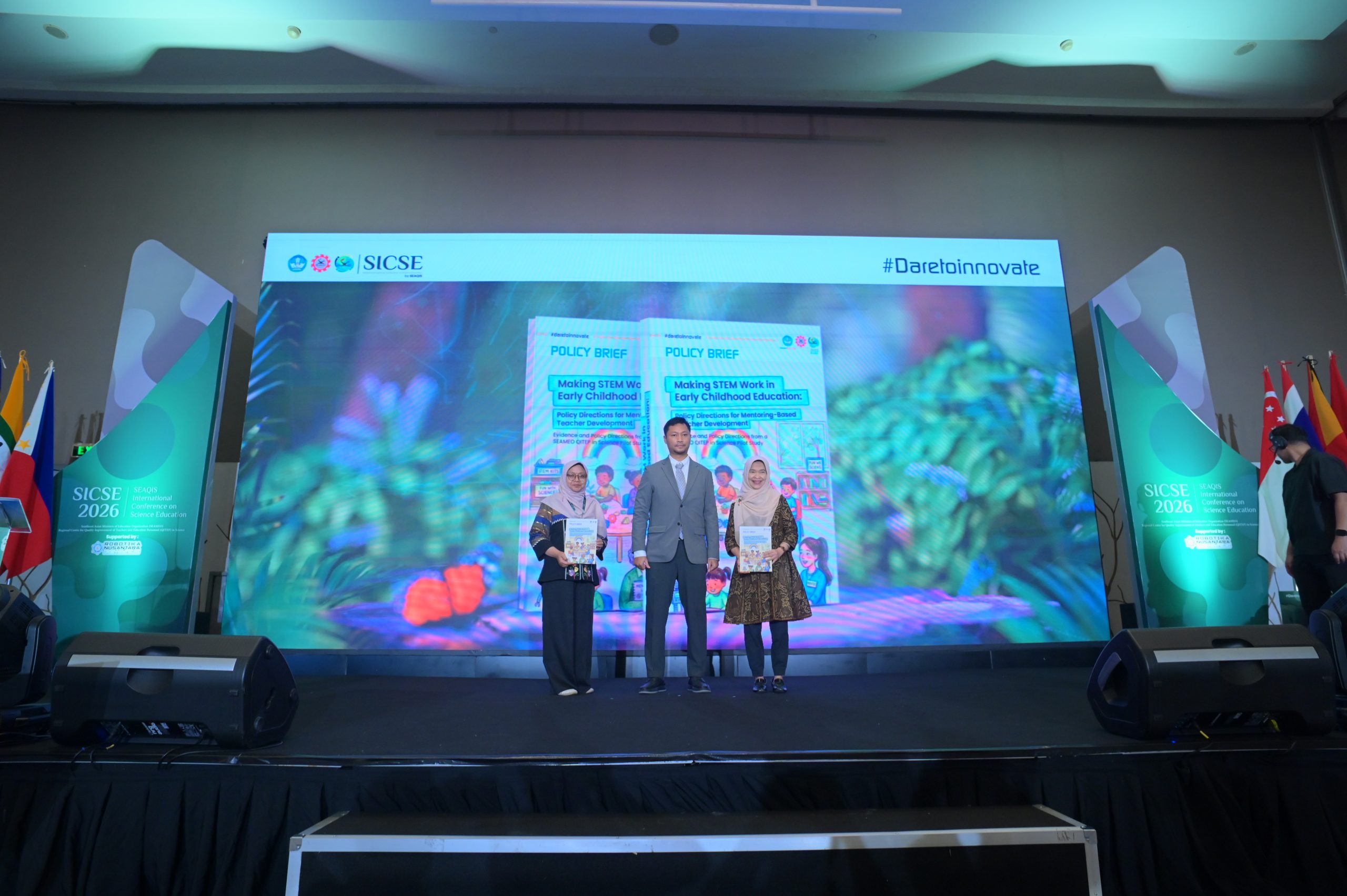
A key highlight of the conference was the official launch of the Policy Brief on STEM Learning for Early Childhood Education, developed through SEAQIS’ research and field experience. The policy brief presents five strategic recommendations for governments and educational policymakers to strengthen the implementation of STEM education in early childhood settings across Indonesia. The conference also featured 24 presenters in parallel sessions who shared research findings and classroom practices from various regions, providing participants with diverse perspectives and practical insights into science education.
Throughout the conference, participants actively engaged in discussions and question-and-answer sessions, particularly on the practical implementation of AI, STEM, robotics, and inquiry-based learning in classrooms. Beyond the exchange of research and ideas, the conference also provided opportunities for educators, researchers, and practitioners from Indonesia and the Philippines to build professional networks and share experiences in addressing common educational challenges.
Through their participation in SICSE 2026, attendees gained new knowledge and broader insights into innovative approaches to science learning, particularly in the integration of inquiry, STEM, and artificial intelligence into everyday classroom practice. The conference also produced an important strategic output through the launch of the Policy Brief on STEM Learning for Early Childhood Education, which is expected to serve as a reference for policymakers in strengthening teacher development and expanding STEM implementation from the early years of education. Participants also established collaborative networks that are expected to support future cooperation in advancing science education across Southeast Asia.
Writers: Zulfa Mahiratu Marwa and Salsabila Nadhifah
