
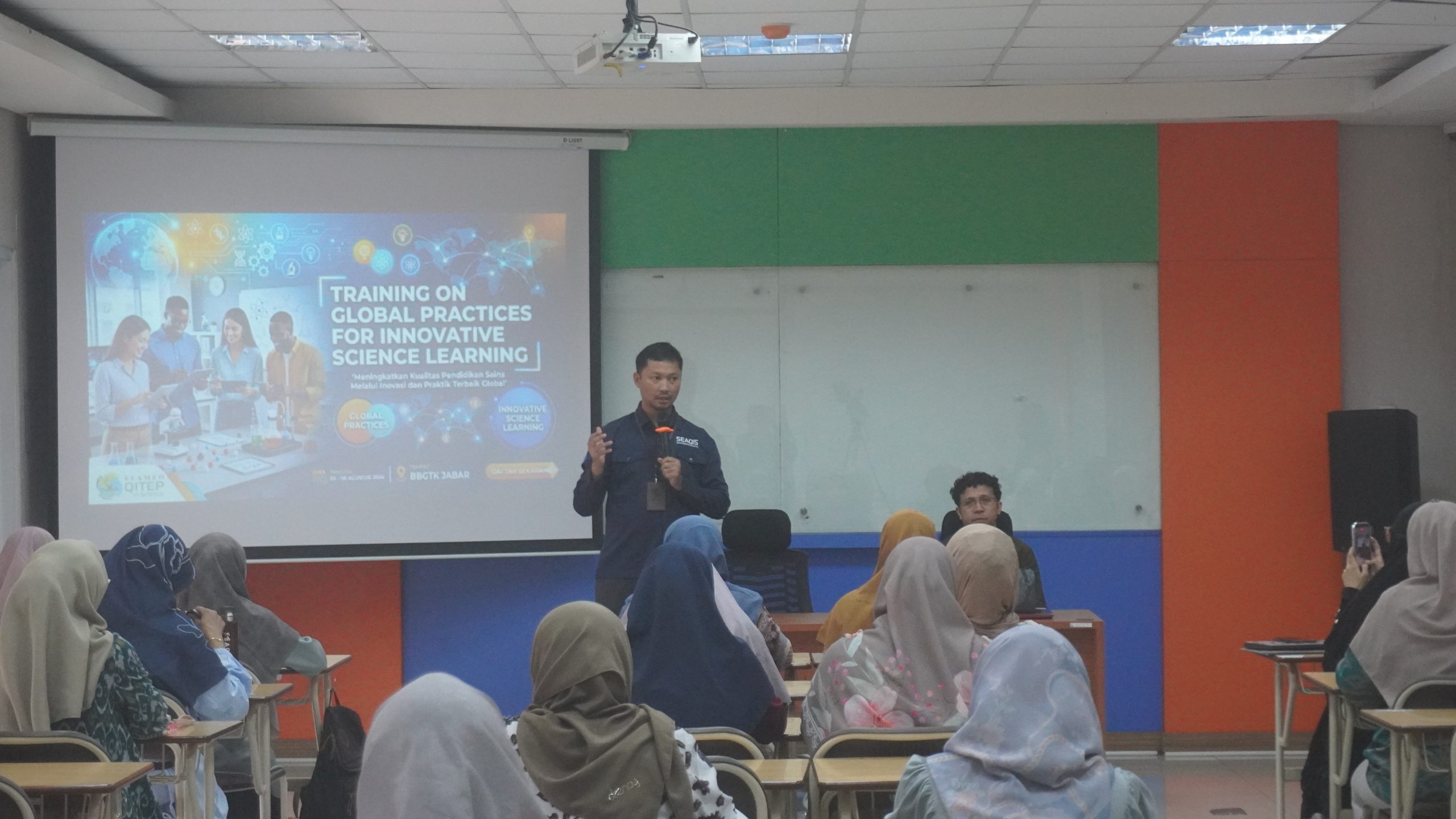
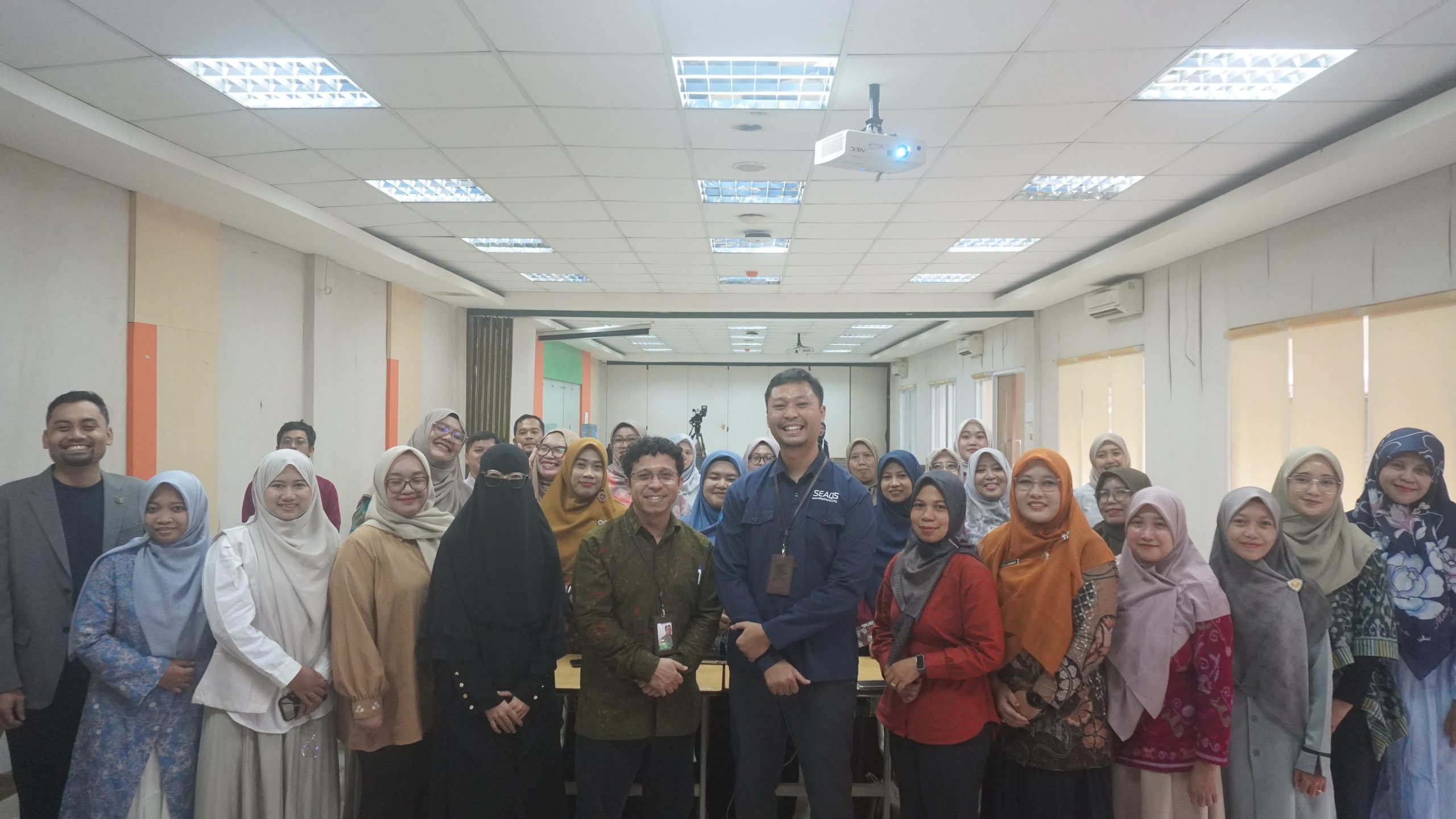
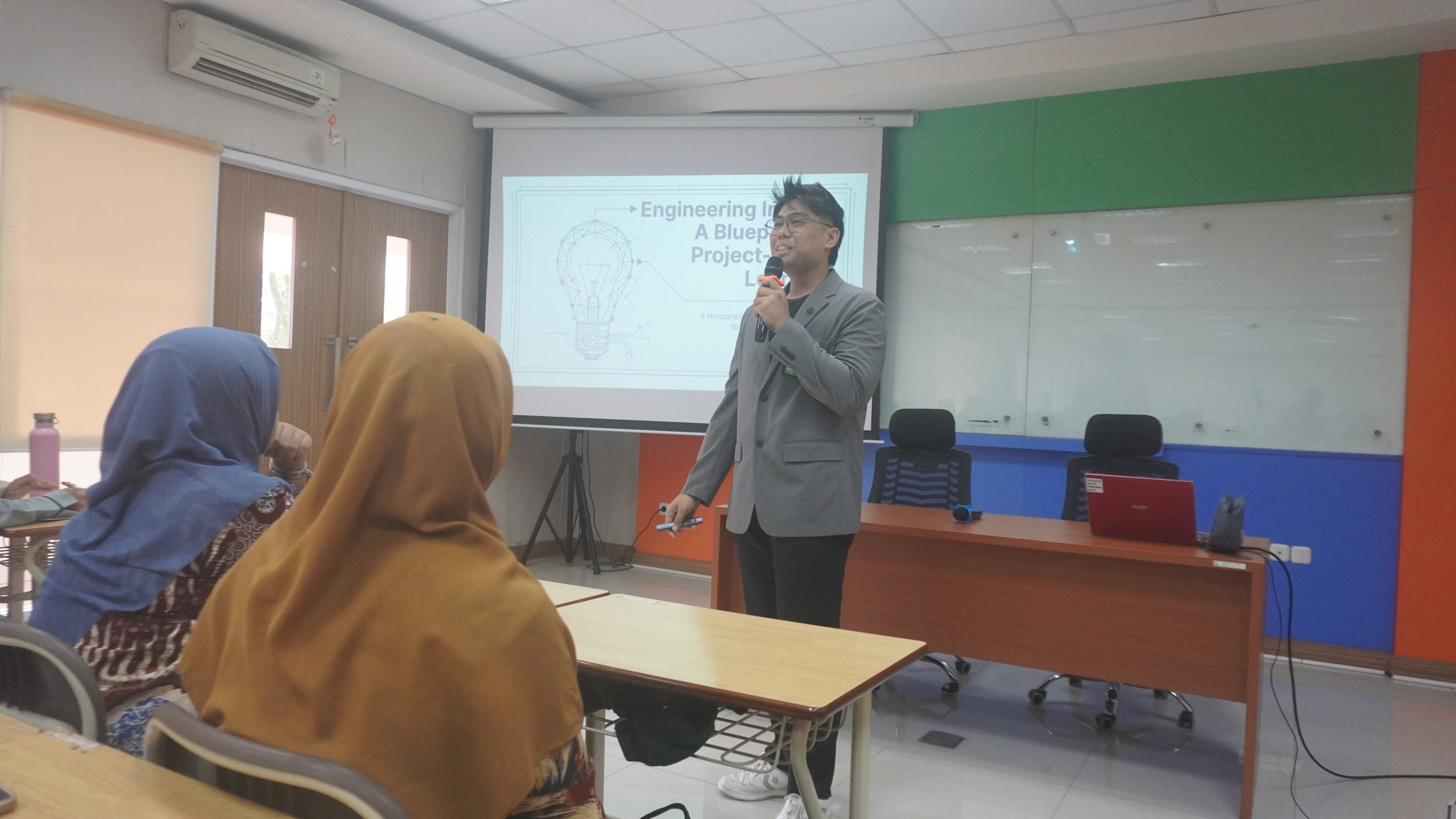
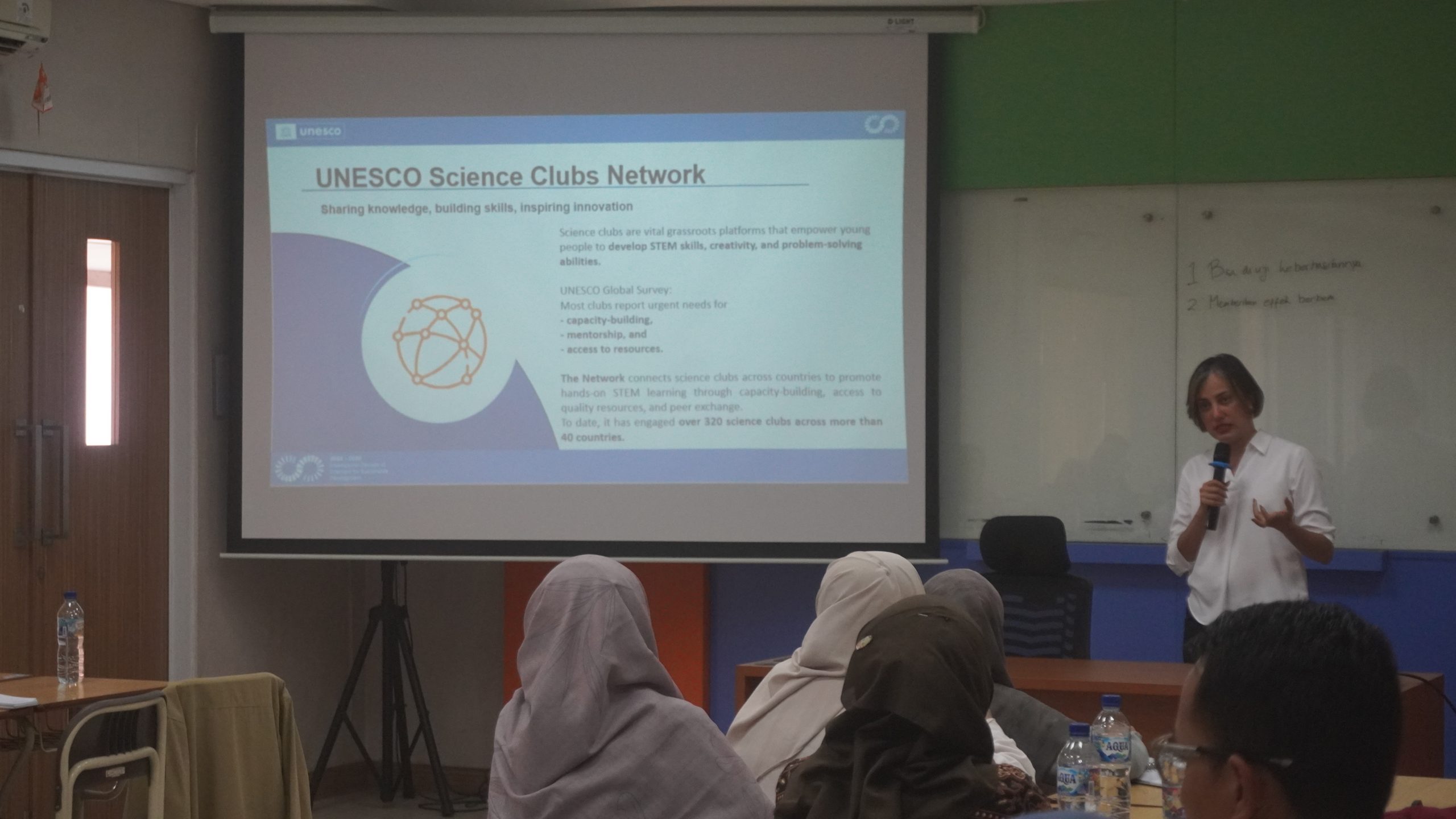
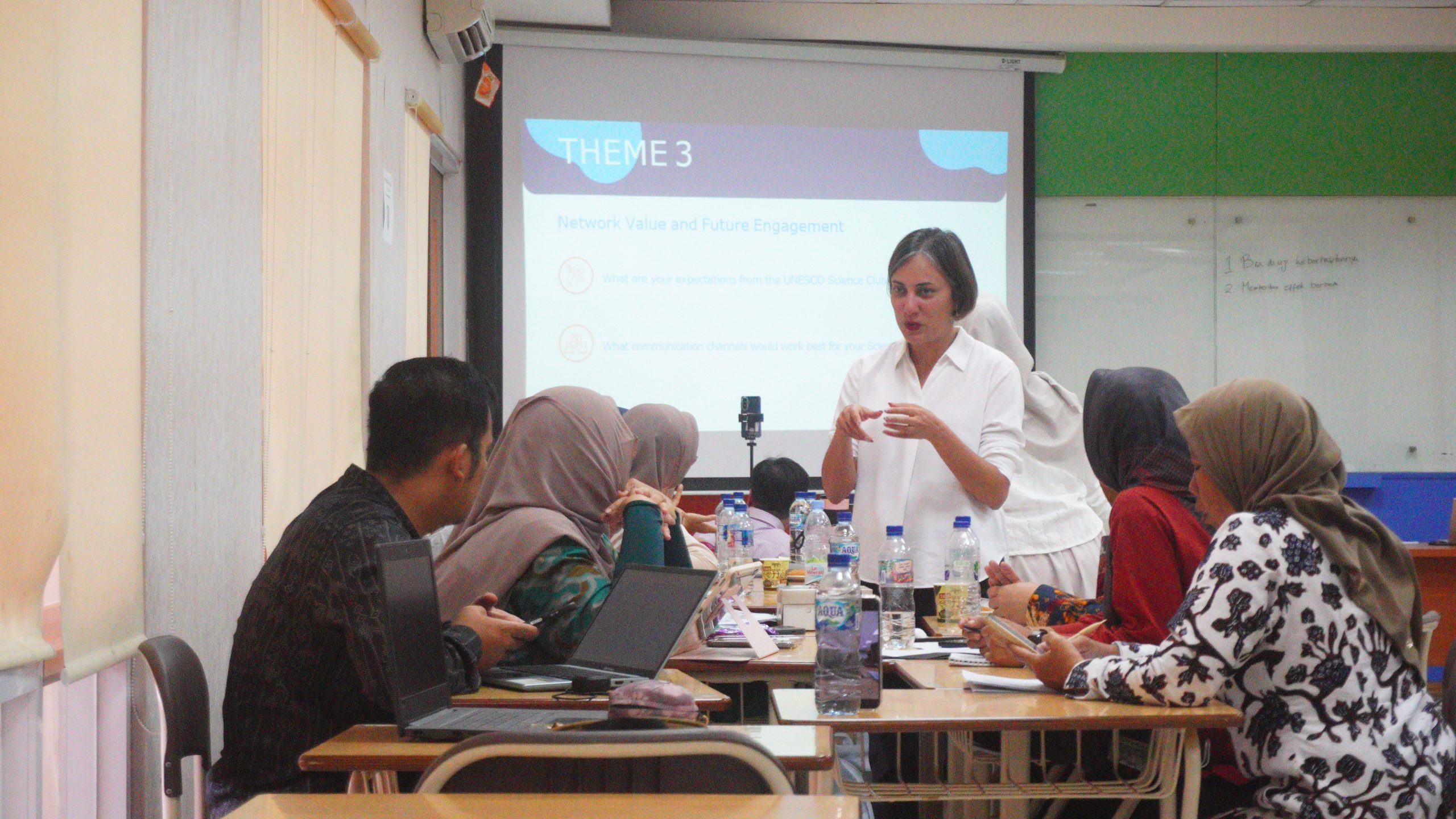
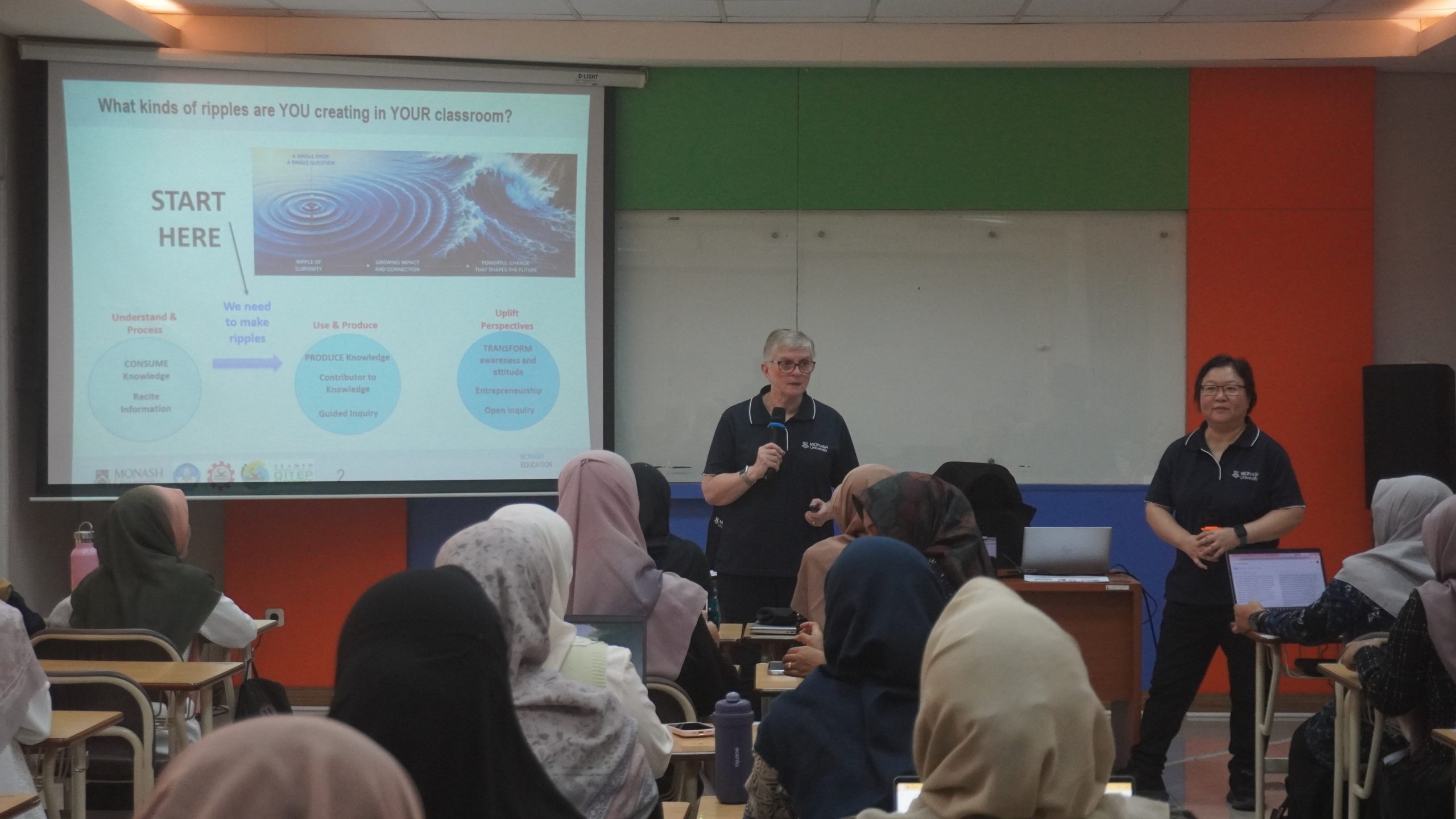
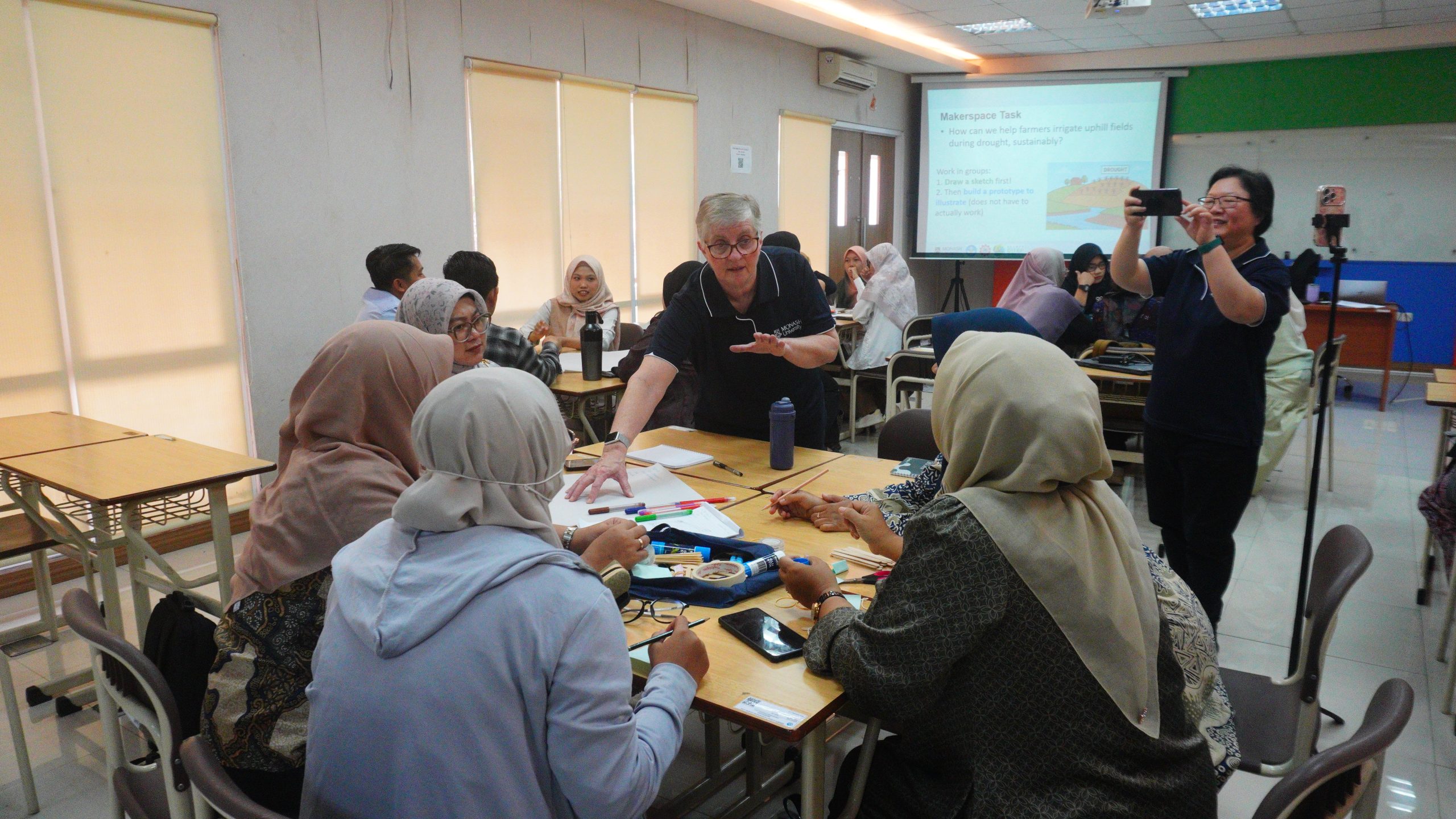
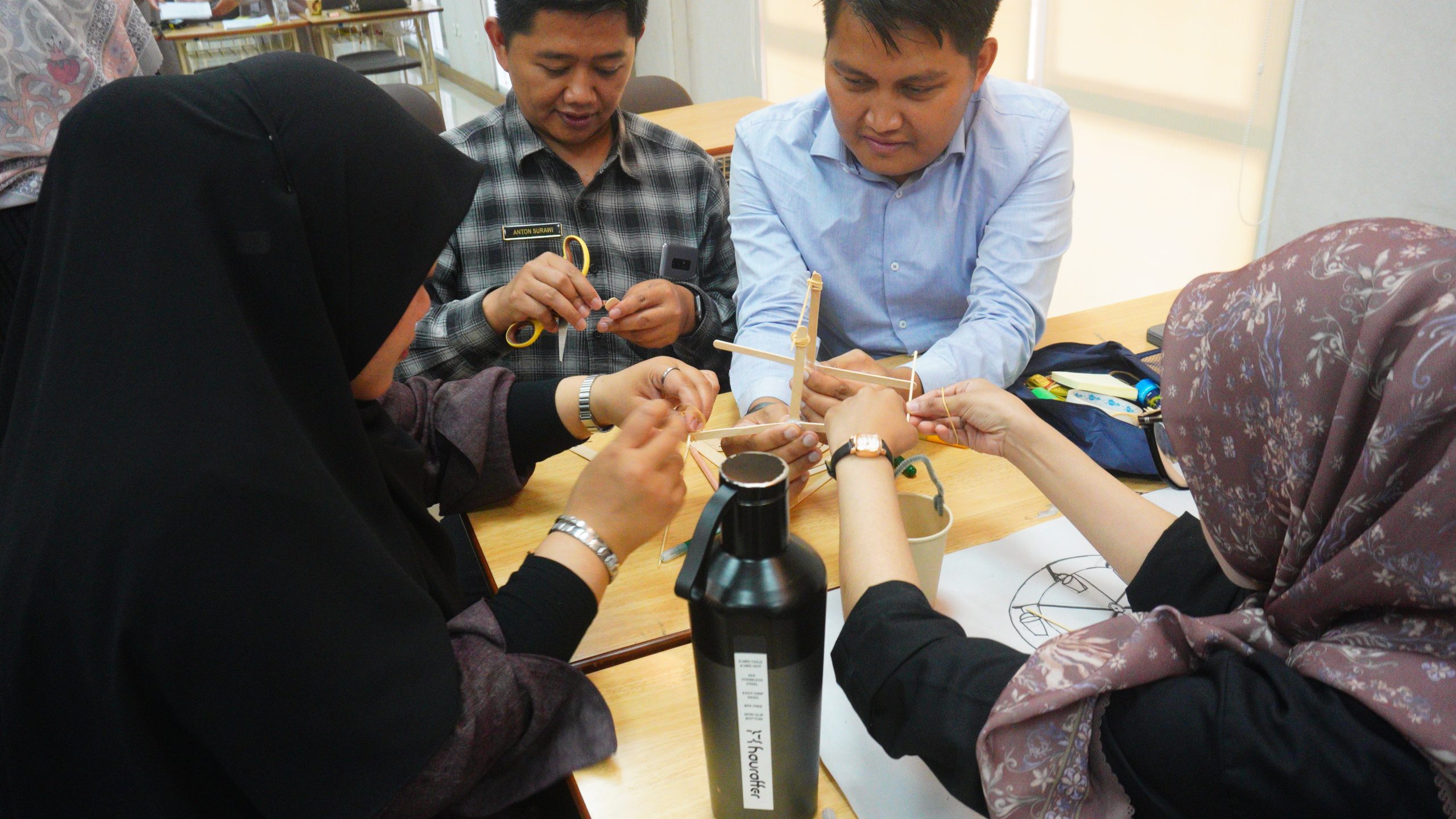
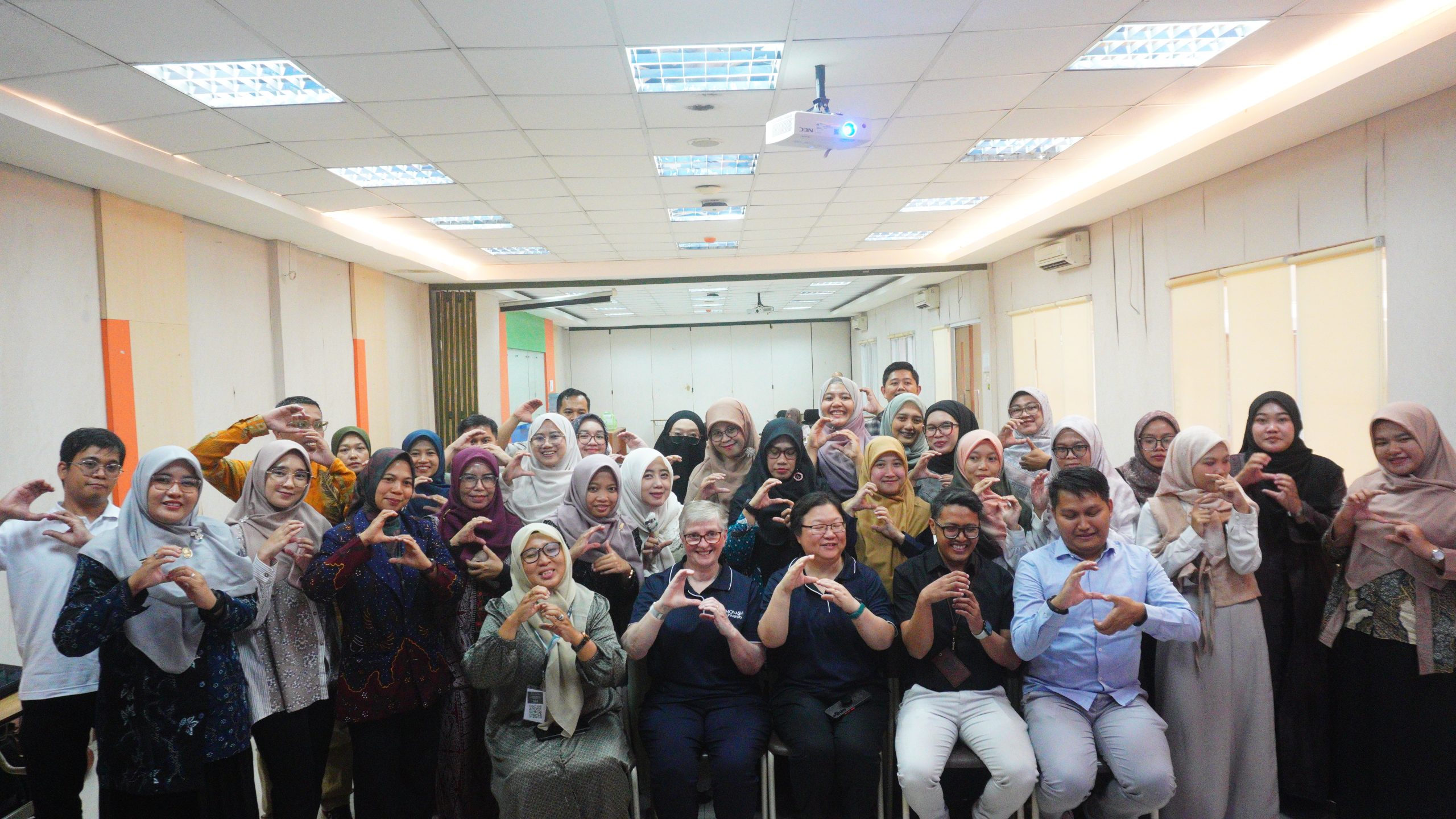
Bringing together international expertise and local educational perspectives, SEAQIS organised the Training on Global Practices for Innovative Science Learning from 3 to 4 June 2026 at SEAMEO QITEP in Science, Bandung, Indonesia. The programme engaged 30 science teachers from across Indonesia in exploring innovative approaches to science education, with a focus on STEM learning, technology integration, and international best practices that can be adapted to local classroom contexts.
The programme was designed to support teachers in responding to the evolving demands of science education by exploring approaches that promote inquiry, critical thinking, problem-solving, and active student engagement. Throughout the training, participants examined innovative science teaching practices, STEM education, the integration of technology in learning, and the role of extracurricular activities in supporting students’ scientific development.
The training featured contributions from international experts. Dr Fereshteh Rafieian Najafabadi, Programme Specialist for Science Policy and Basic Sciences at UNESCO Jakarta, discussed the role of science clubs in supporting STEM education and encouraging students’ interest in science. Participants also engaged with sessions delivered by Associate Professor Gillian Kidman and Dr Hazel Tan from Monash University, Australia, which focused on the implementation of STEM education in science classrooms and approaches to fostering meaningful student learning.
In addition, SEAQIS facilitators shared perspectives on the integration of technology in science teaching, drawing on international practices and professional learning experiences from China. These sessions encouraged participants to consider how technology can be used effectively to support student engagement and enhance learning outcomes in science education.
The training also provided opportunities for professional exchange among participants, enabling them to reflect on their own practices and explore ways of adapting international approaches to their local contexts. Through discussions and knowledge-sharing activities, participants examined strategies for creating more engaging and relevant science learning experiences.
Through this programme, participants were expected to strengthen their understanding of inquiry-based science education, enhance their capacity to implement STEM and technology-integrated approaches, and expand their professional networks with fellow educators and international experts. The training forms part of SEAQIS’ ongoing efforts to support the professional development of science teachers and promote quality science education in the region.
Writer: Salsabila Nadhifah
