

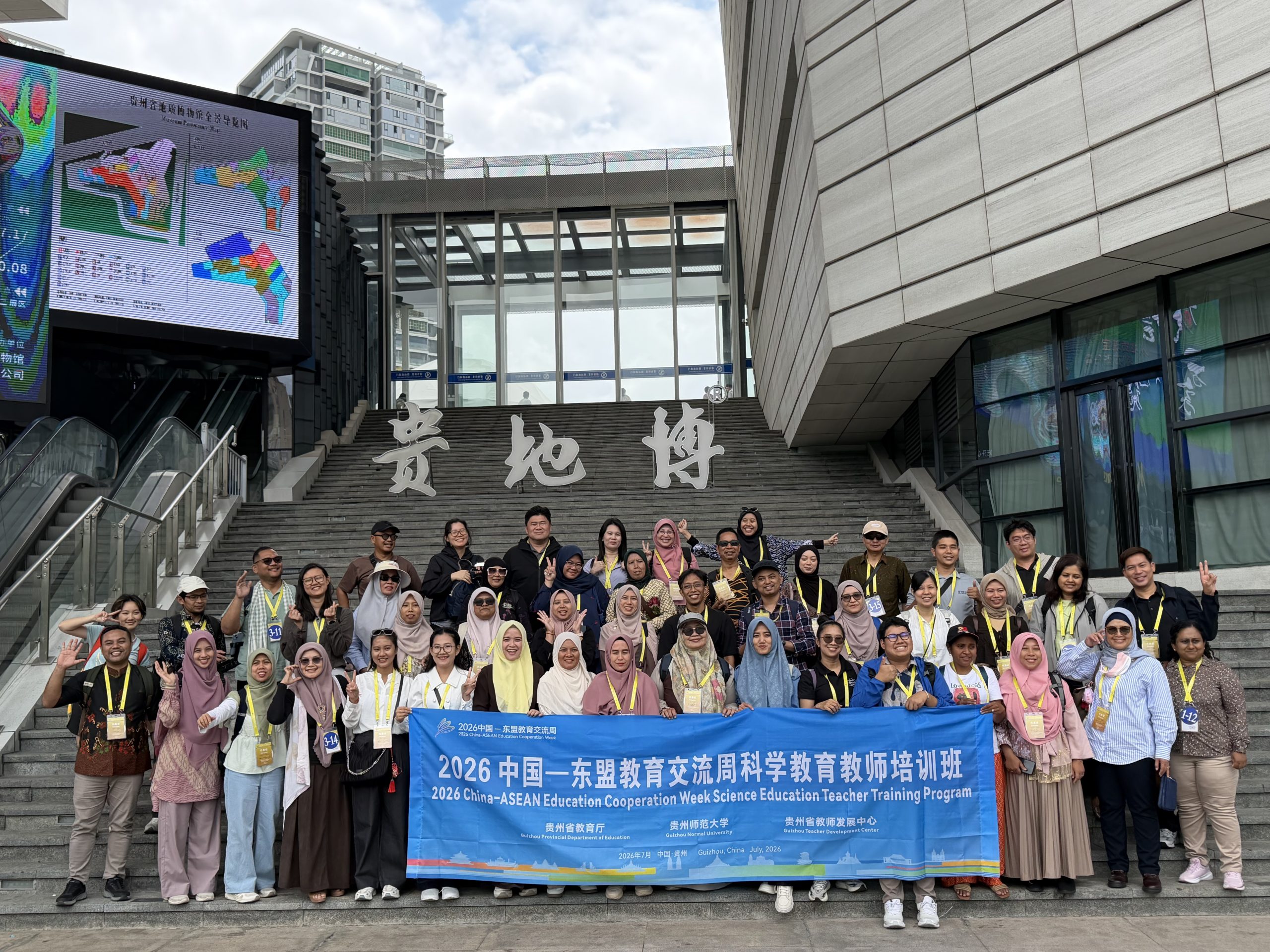

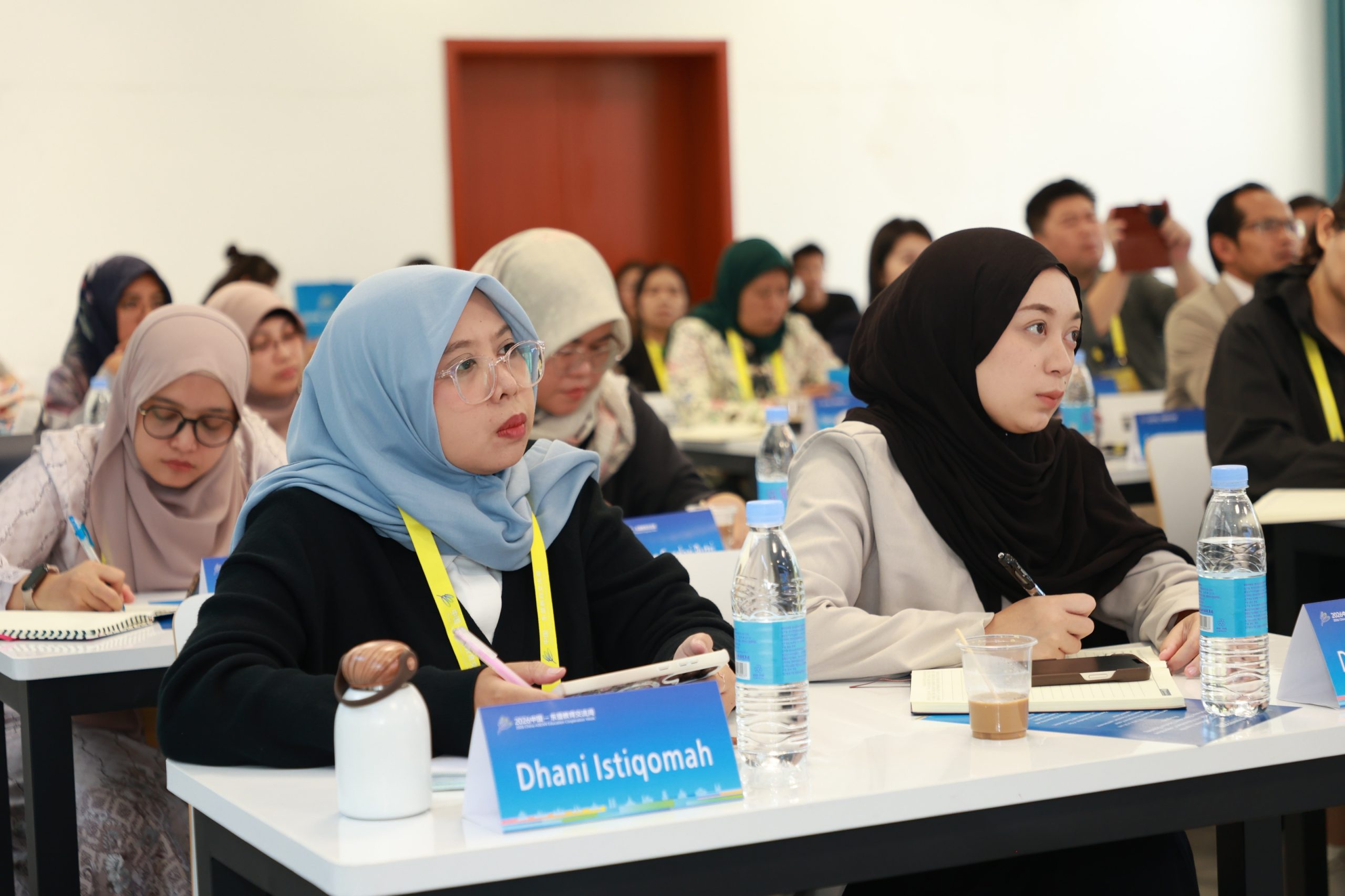


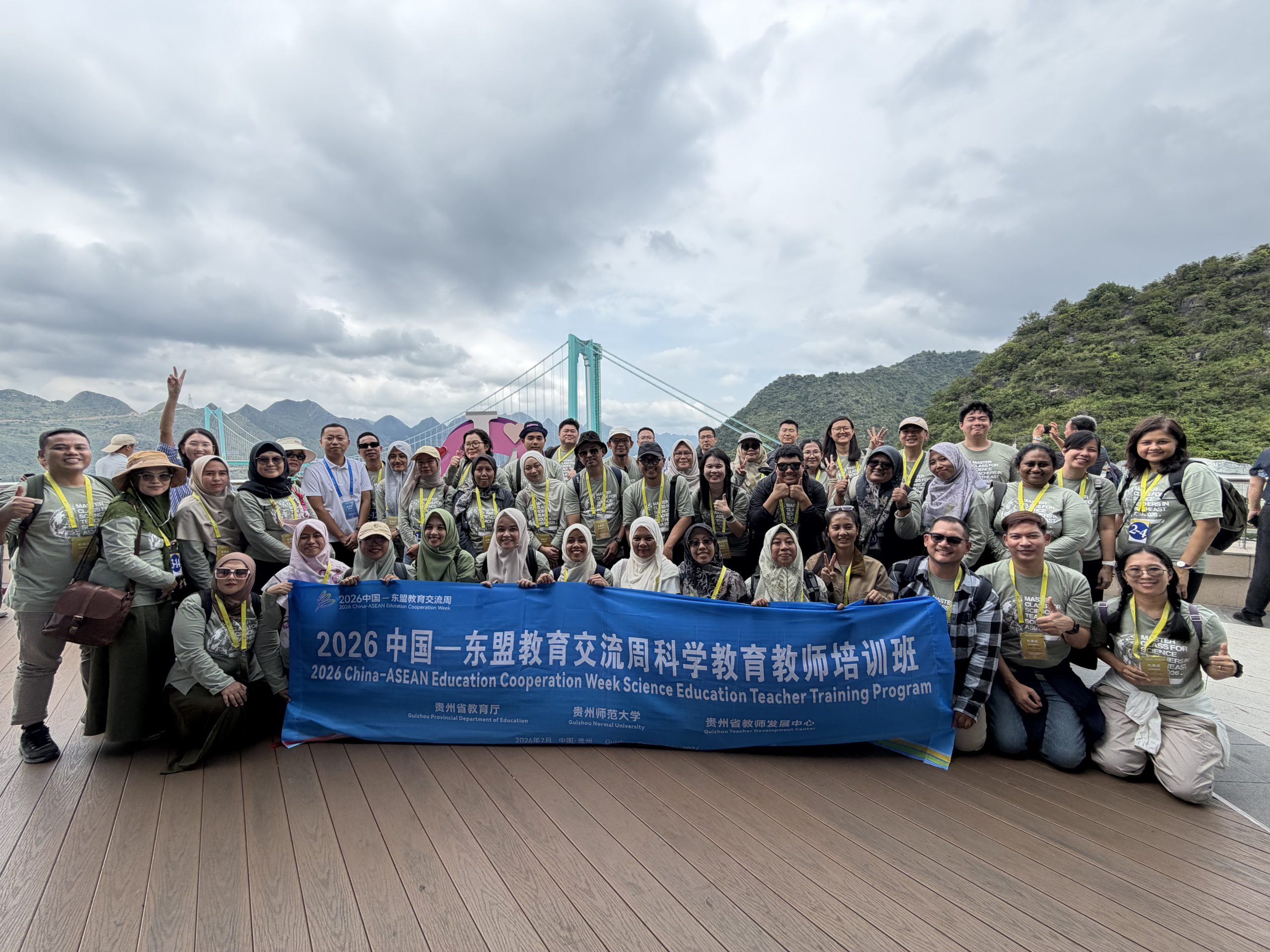

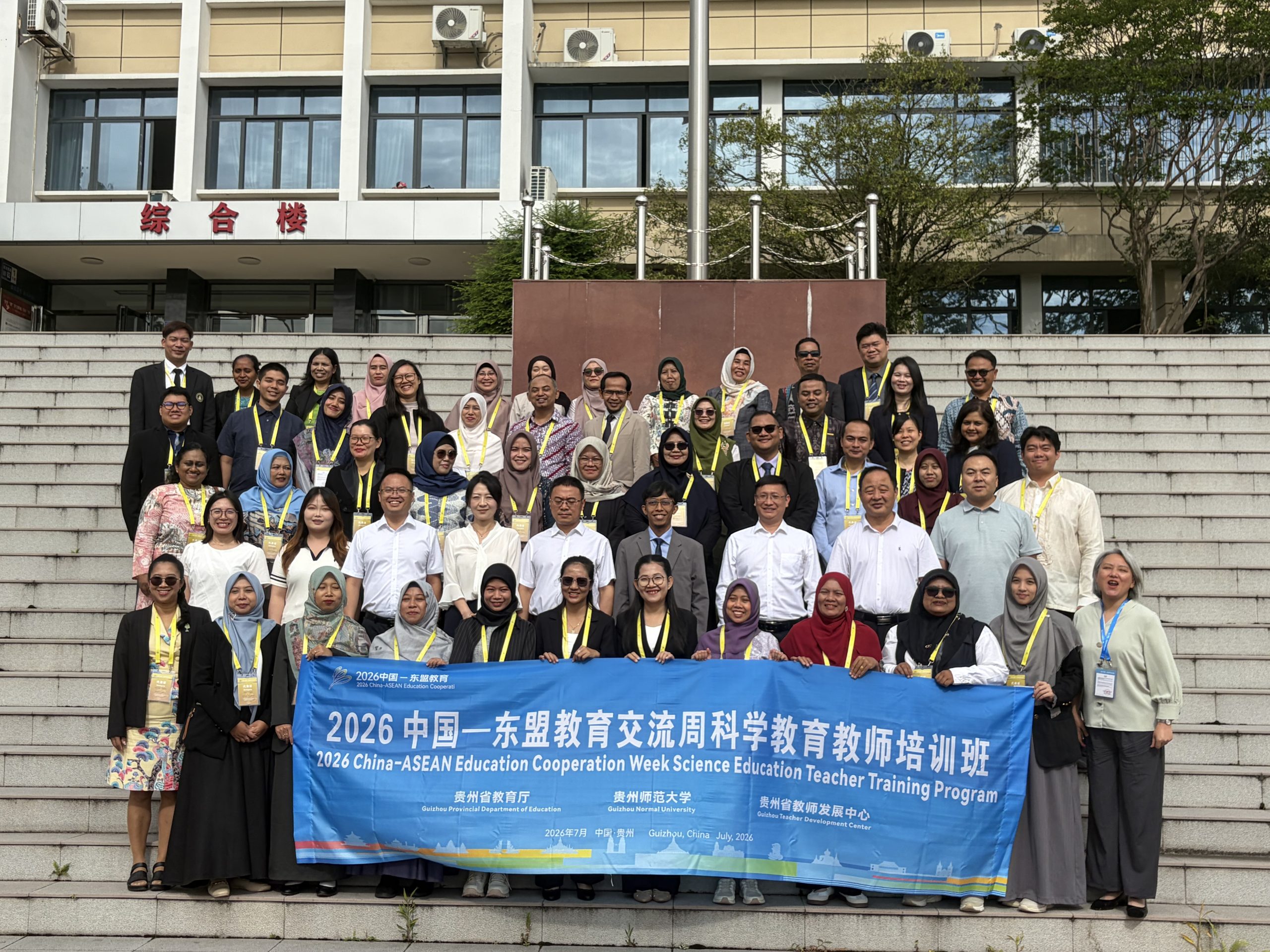

Demonstrating its continued commitment to expanding international learning opportunities for educators, SEAQIS is conducting the Master Class for Science Teachers in Southeast Asia 2026 in Guiyang, Guizhou Province, China, from 28 July to 3 August 2026. Now in its second year, the programme brings together 45 science teachers and education personnel from Cambodia, Indonesia, Malaysia, the Philippines, Singapore, Thailand, and Timor-Leste for a week of professional learning, collaboration, and cultural exchange.
The Master Class is jointly organised by Guizhou Normal University, Guizhou Provincial Department of Education, Guizhou Teacher Development Center, and SEAQIS as part of the 2026 China–ASEAN Education Cooperation Week. The programme adopts science education through spatial and environmental perspectives, encouraging contextual, field-based, and inquiry-driven approaches to teaching and learning while strengthening educational cooperation between China and Southeast Asia.
More than a professional development programme, the Master Class represents SEAQIS’ commitment to creating meaningful international learning opportunities for teachers and education personnel across Southeast Asia. By connecting educators with international experts, institutions, and fellow practitioners, the programme enables participants to broaden their perspectives, exchange innovative practices, and establish professional networks that contribute to improving the quality of science education throughout the region.
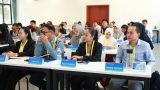
During the Opening Ceremony, Rizwan Darmawan, Head of Partnership and Publication Division of SEAQIS, highlighted that the Master Class reflects SEAQIS’ commitment to expanding international learning opportunities for teachers and education personnel across Southeast Asia. He emphasised that investing in teachers is ultimately an investment in students and their future, as international collaboration enables educators to broaden their perspectives, exchange innovative practices, and build professional networks that enrich teaching and learning. He encouraged participants to make the most of the programme by learning from one another and strengthening regional collaboration.
Reflecting on the significance of the collaboration, Liu Jin, Vice President of Guizhou Normal University, highlighted the growing partnership between Guizhou Normal University and SEAQIS as a shared commitment to advancing science education across Southeast Asia. She expressed her optimism about expanding future collaboration, particularly in STEM education, teacher professional development, and academic exchanges, to strengthen regional educational cooperation and create greater learning opportunities for educators throughout the region.
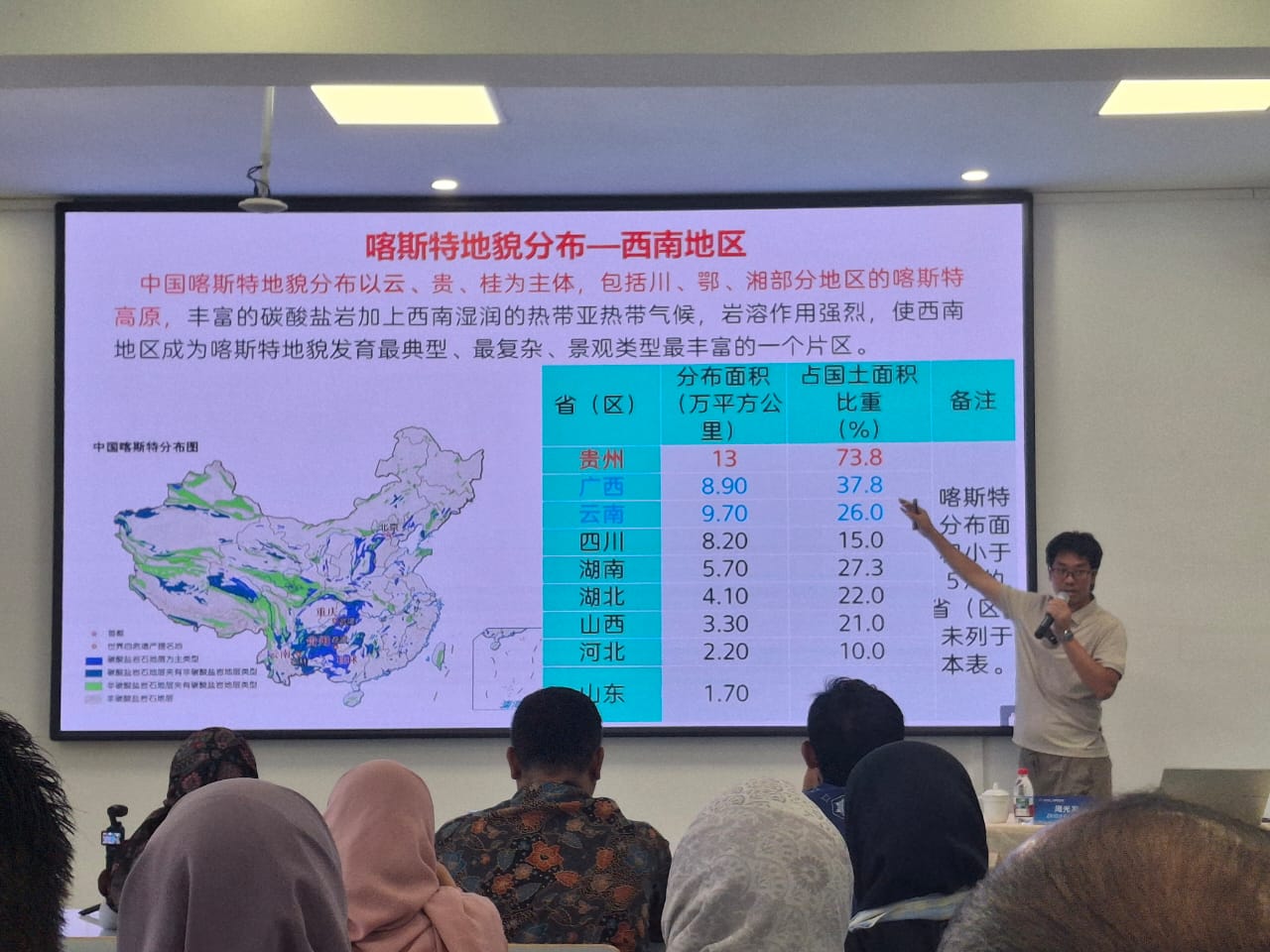
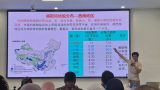
Throughout the programme, participants take part in expert lectures, classroom observations, field-based learning experiences, school visits, and cultural exchange activities. Beyond strengthening participants’ professional competencies, these activities also provide valuable opportunities to foster lasting collaboration among science educators across Southeast Asia.
The Master Class is not simply about what participants learn during one week in Guizhou. Its real impact begins when they return home, bringing new perspectives, stronger professional networks, and renewed enthusiasm to inspire the students waiting in their classrooms.
Written by Rizwan Darmawan
