
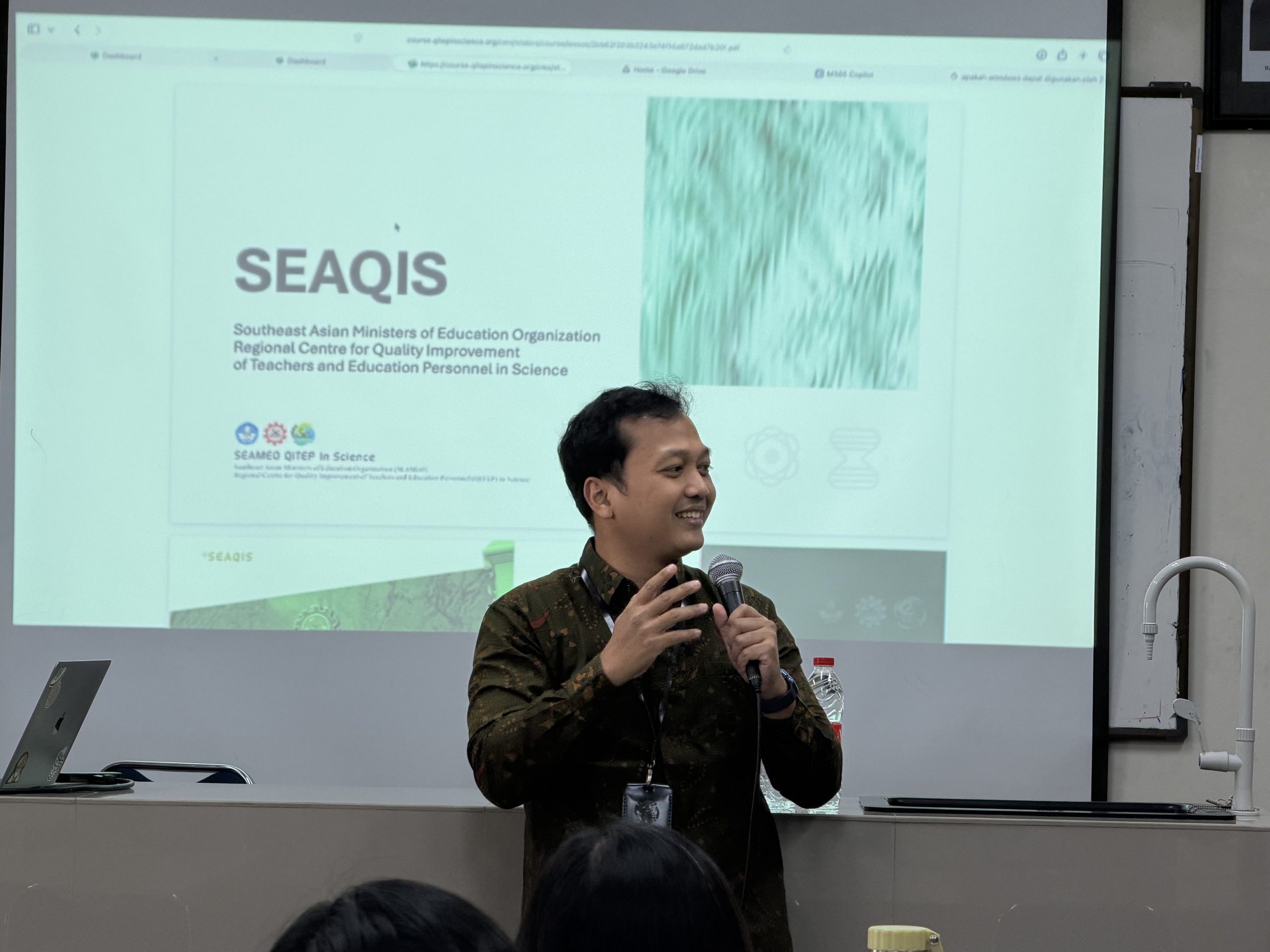
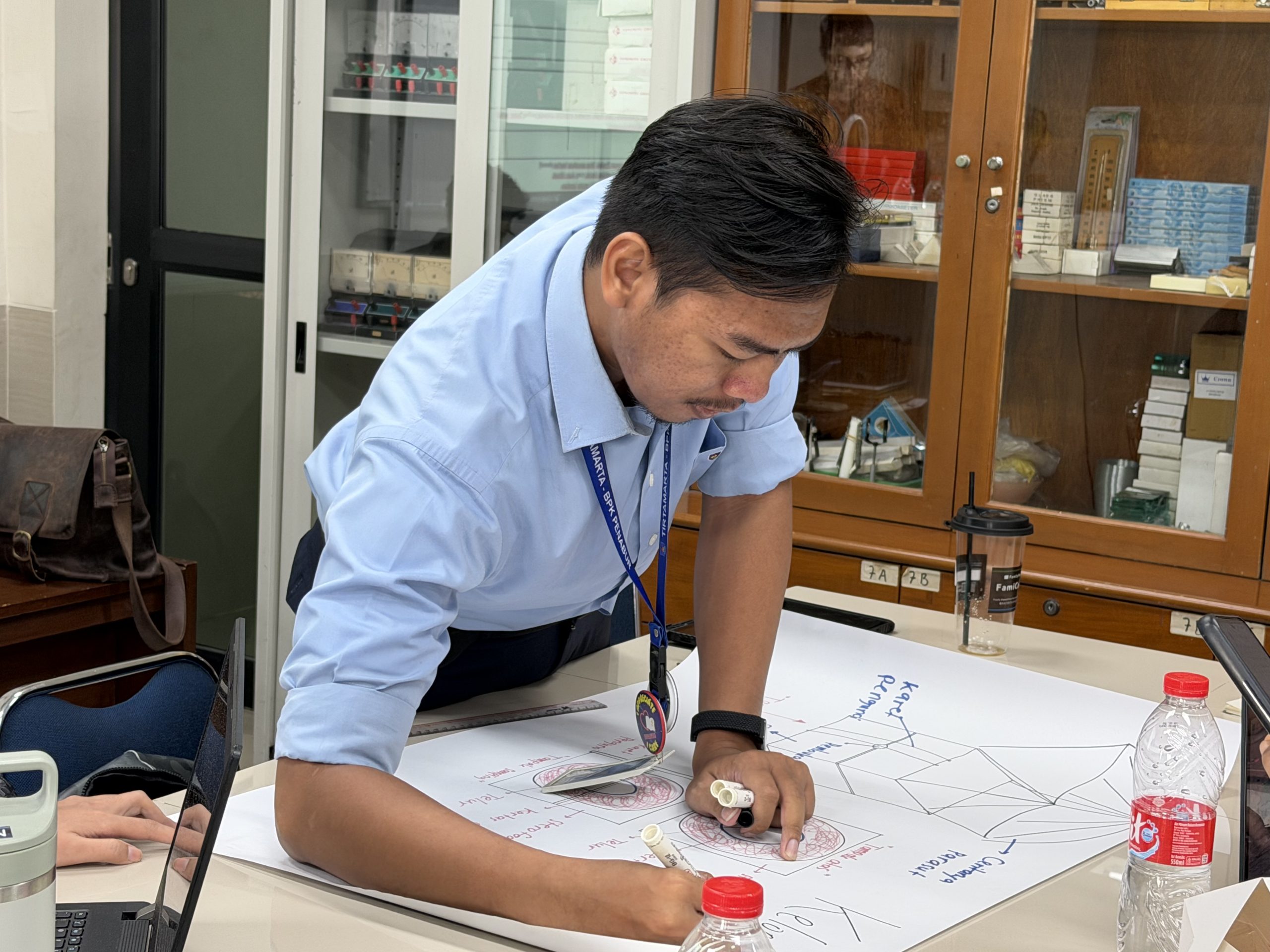
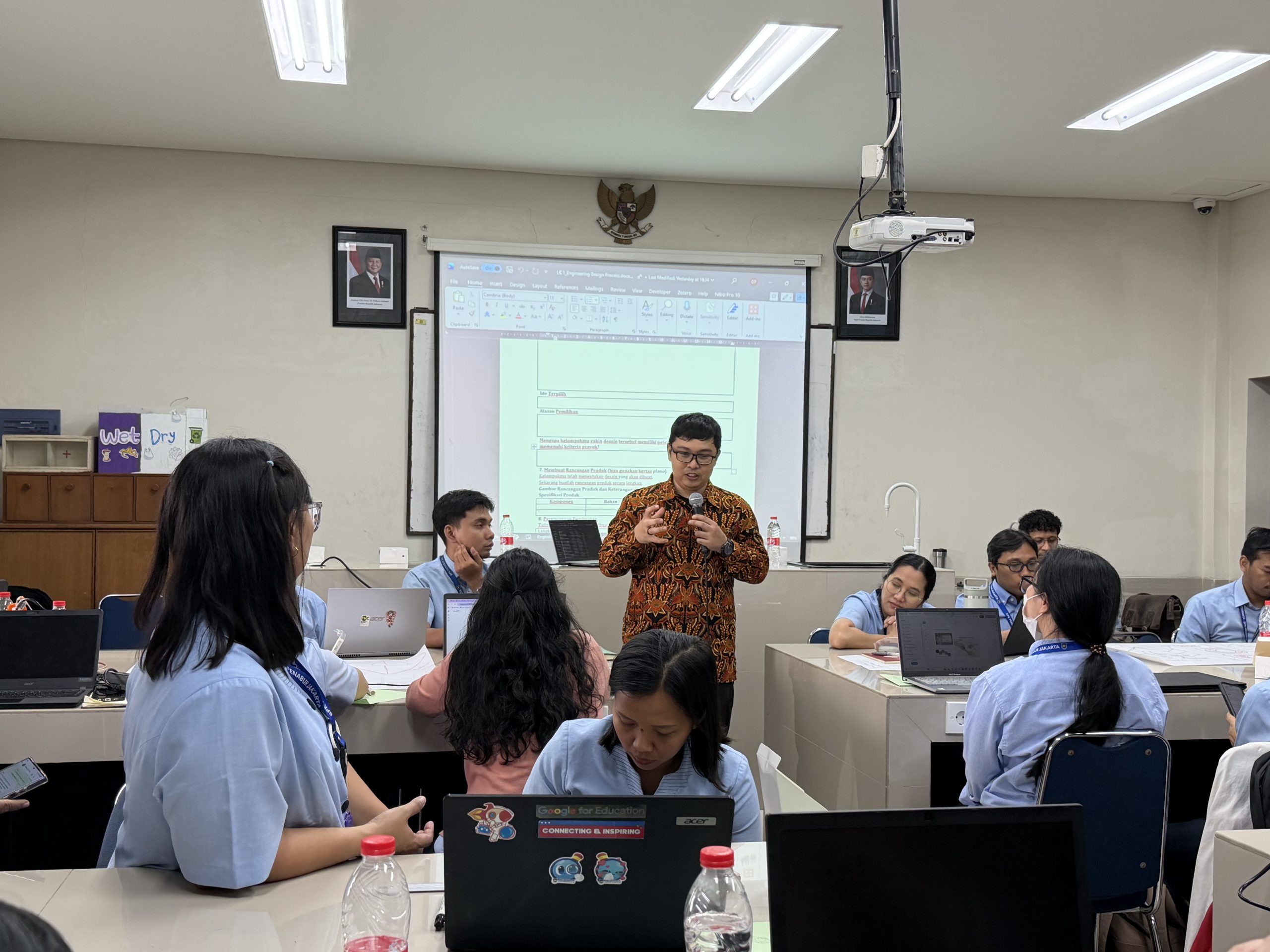
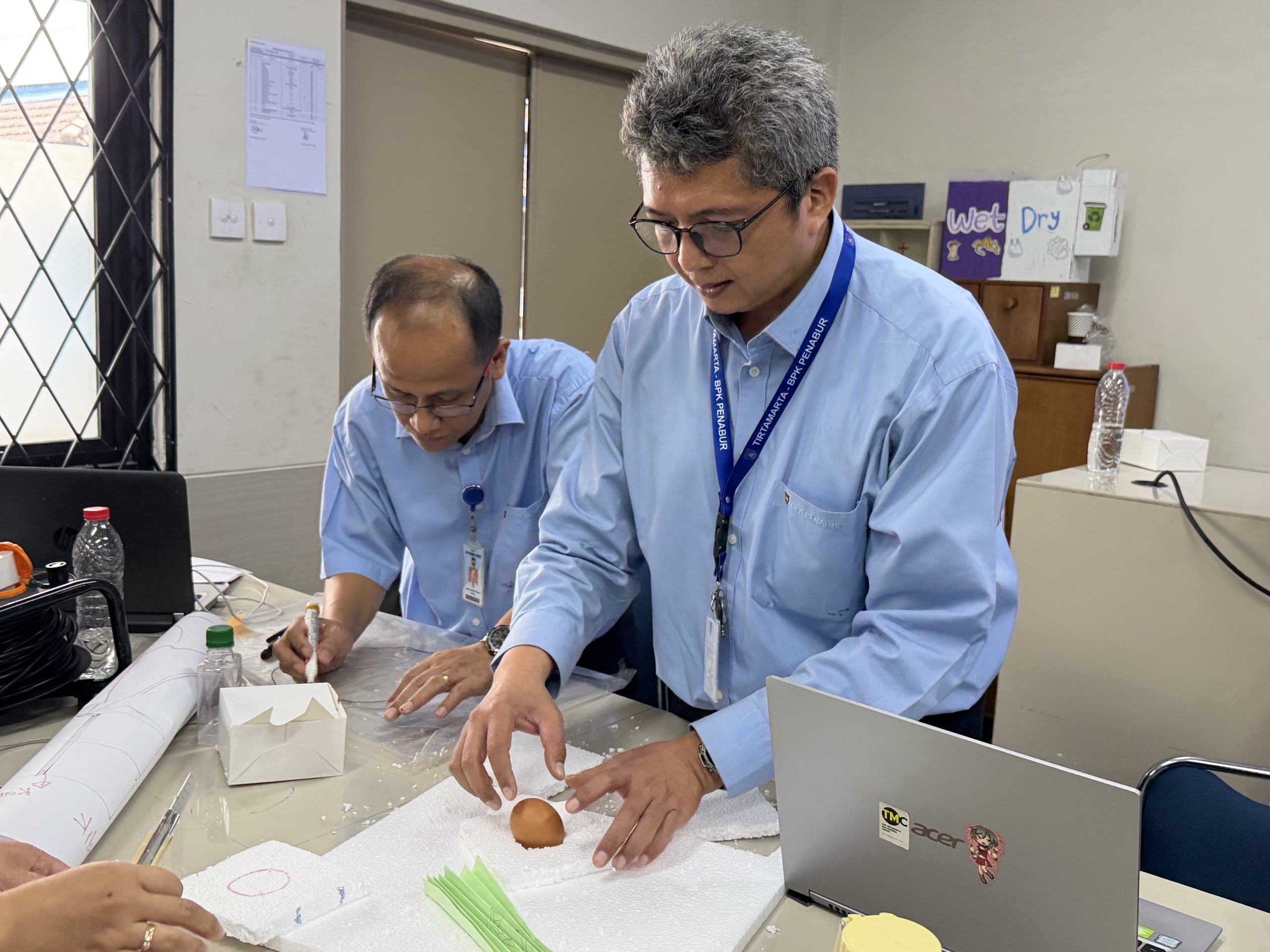
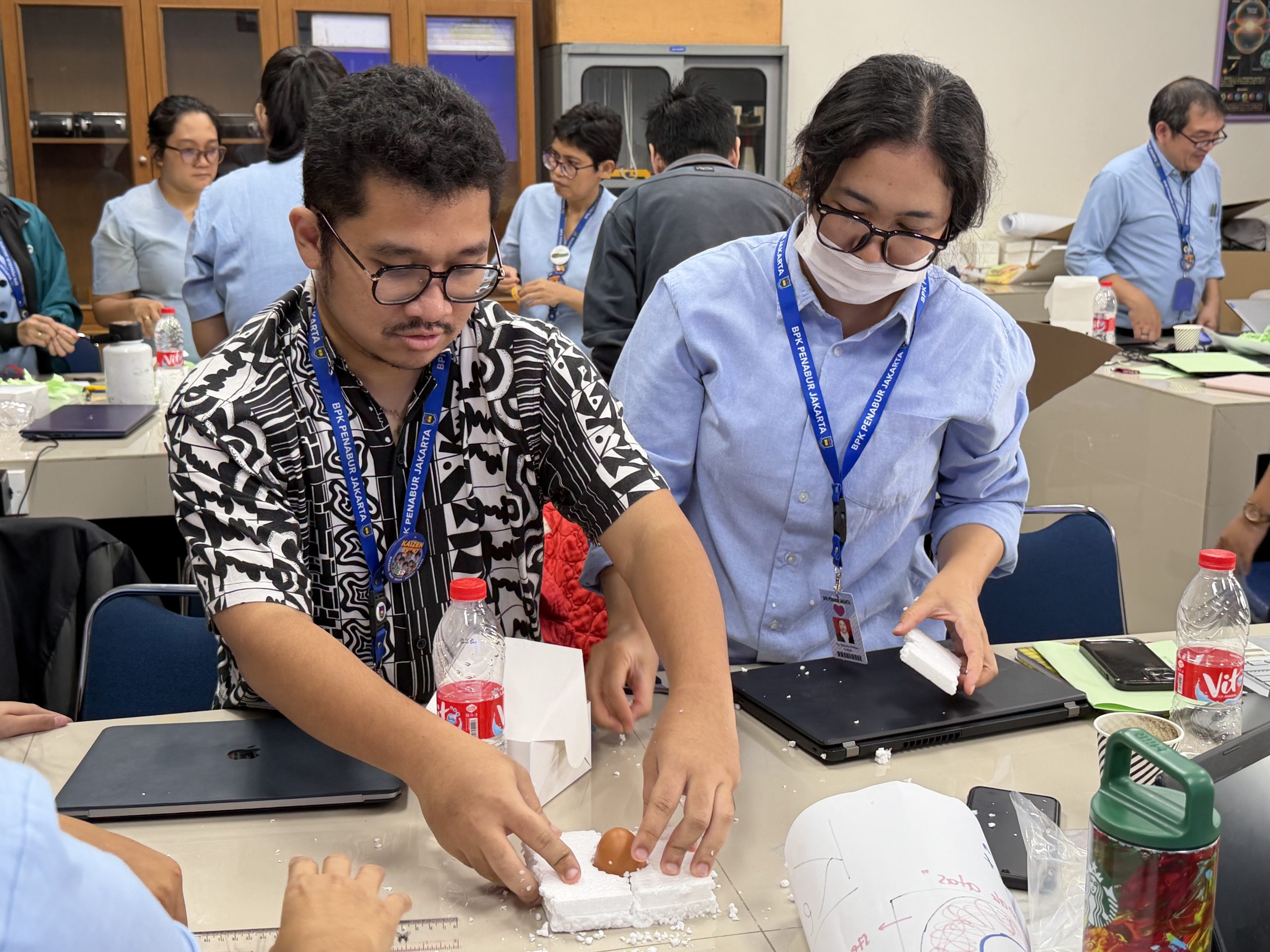
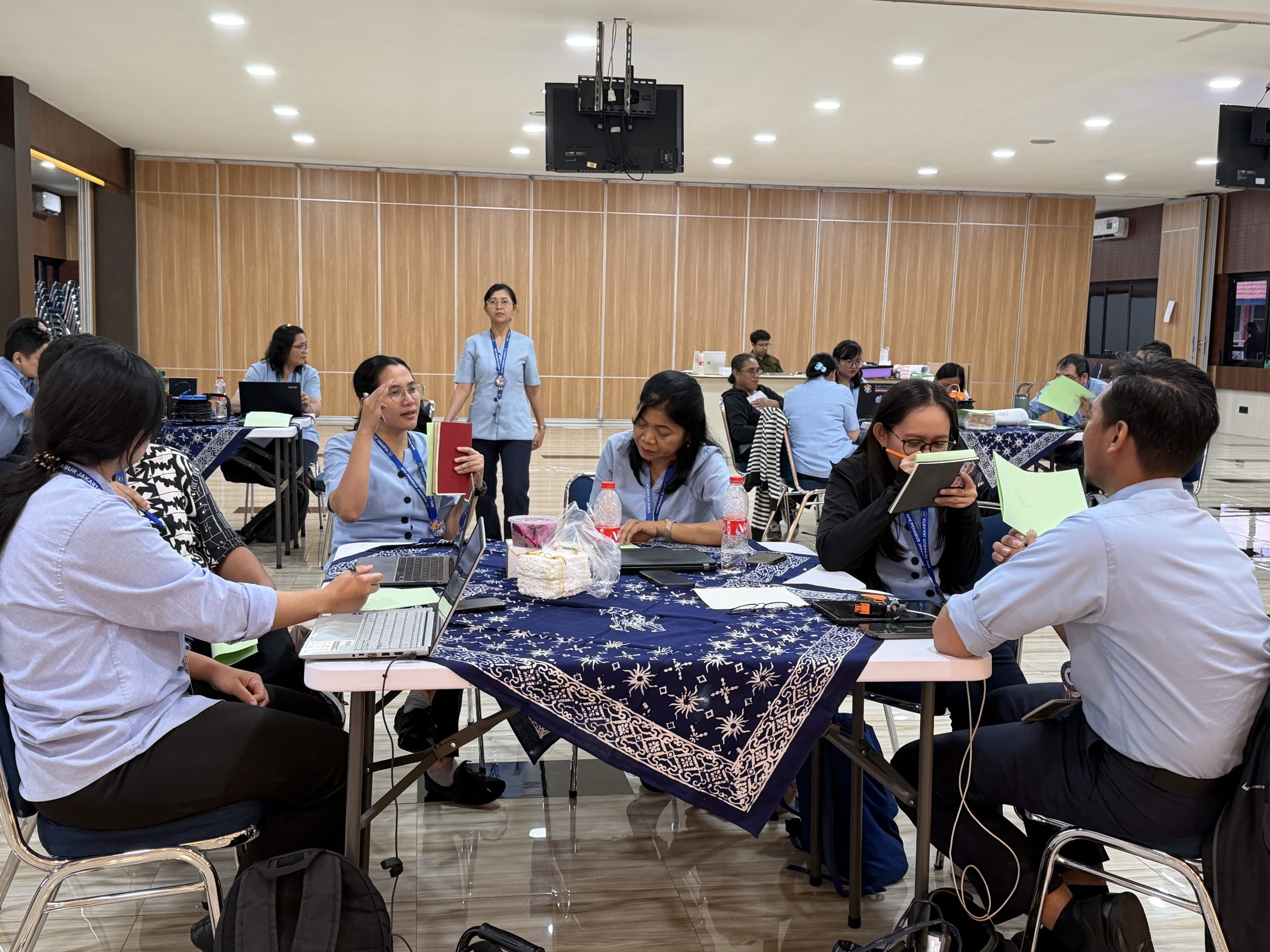
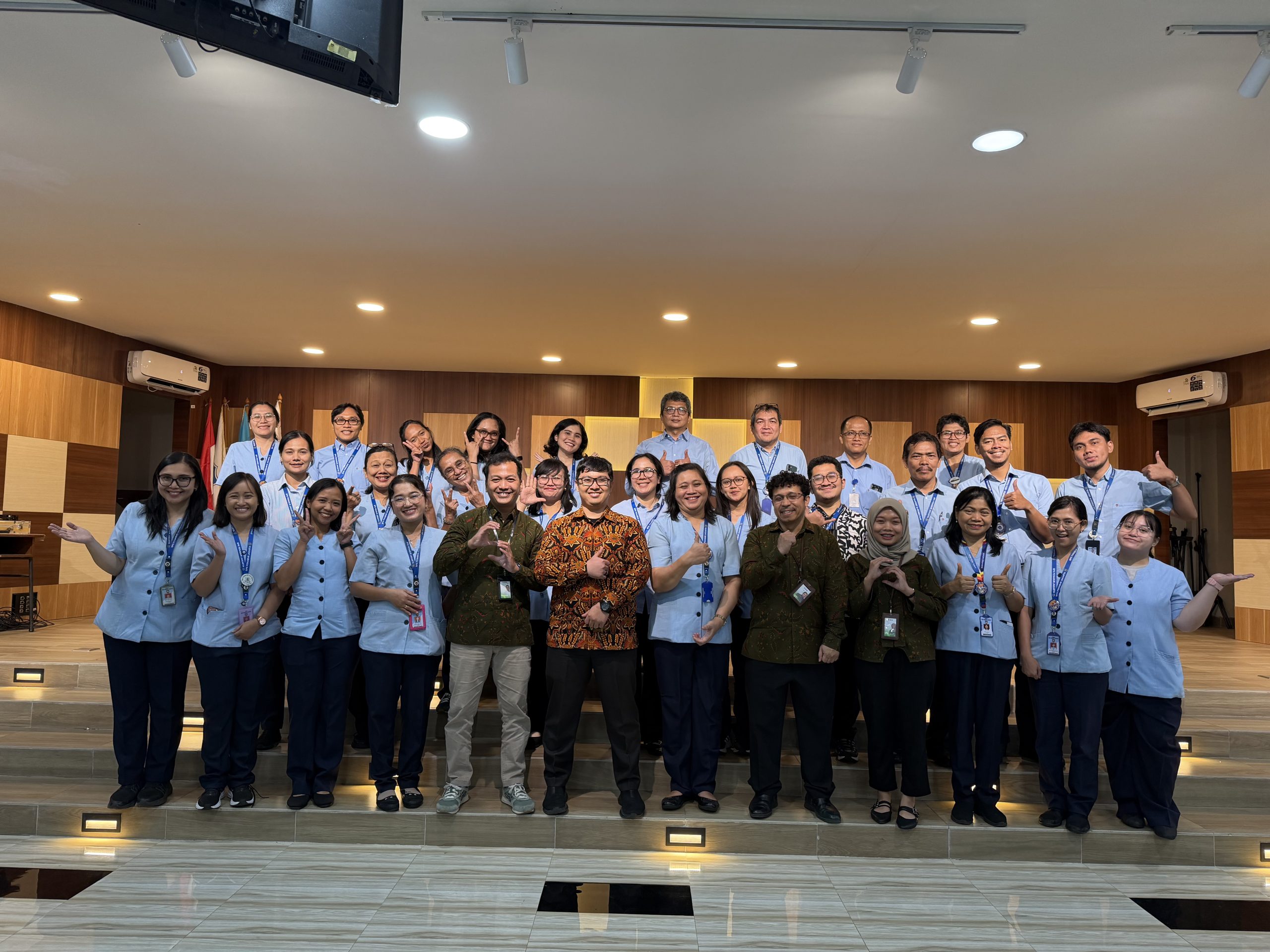
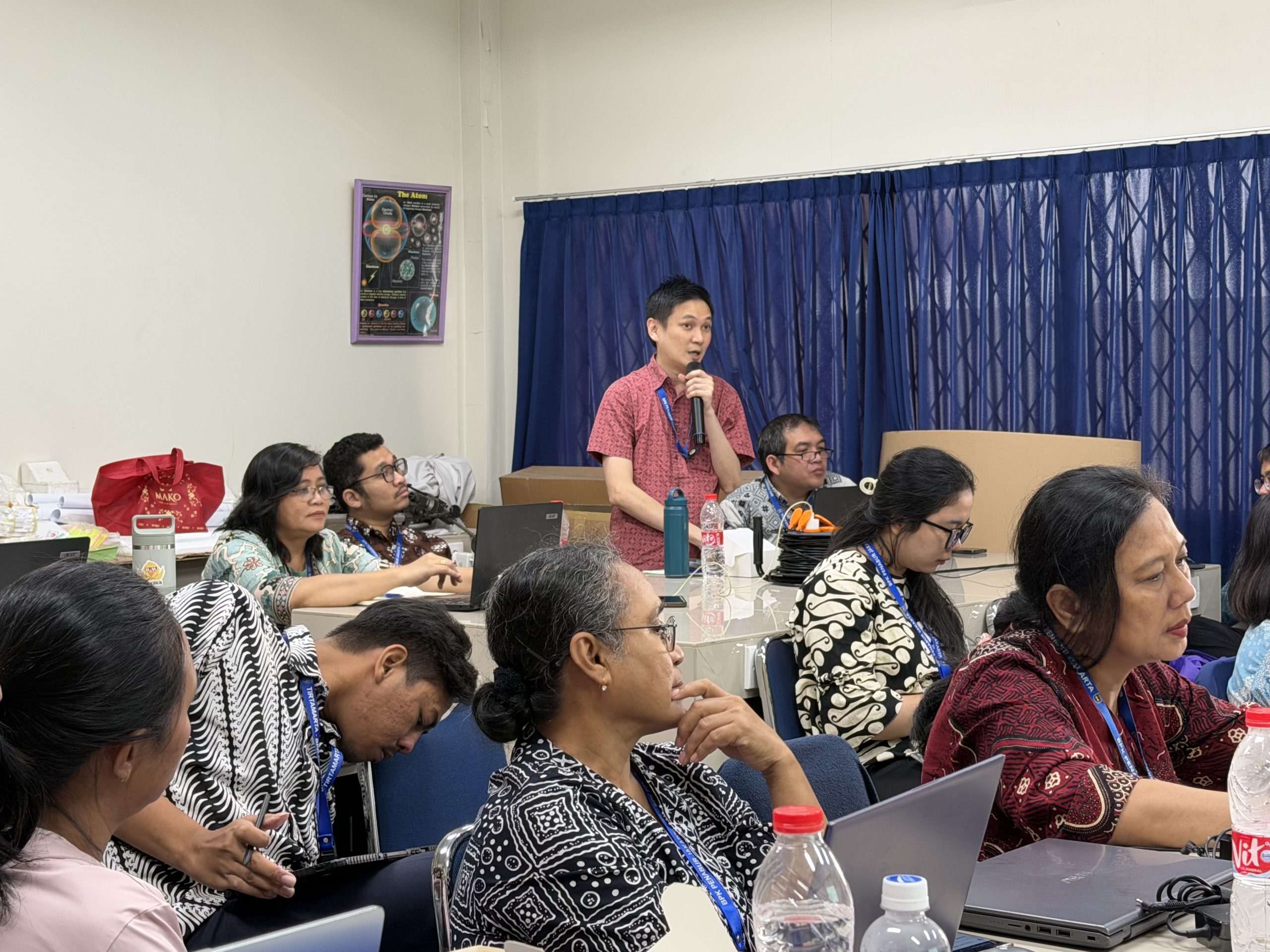
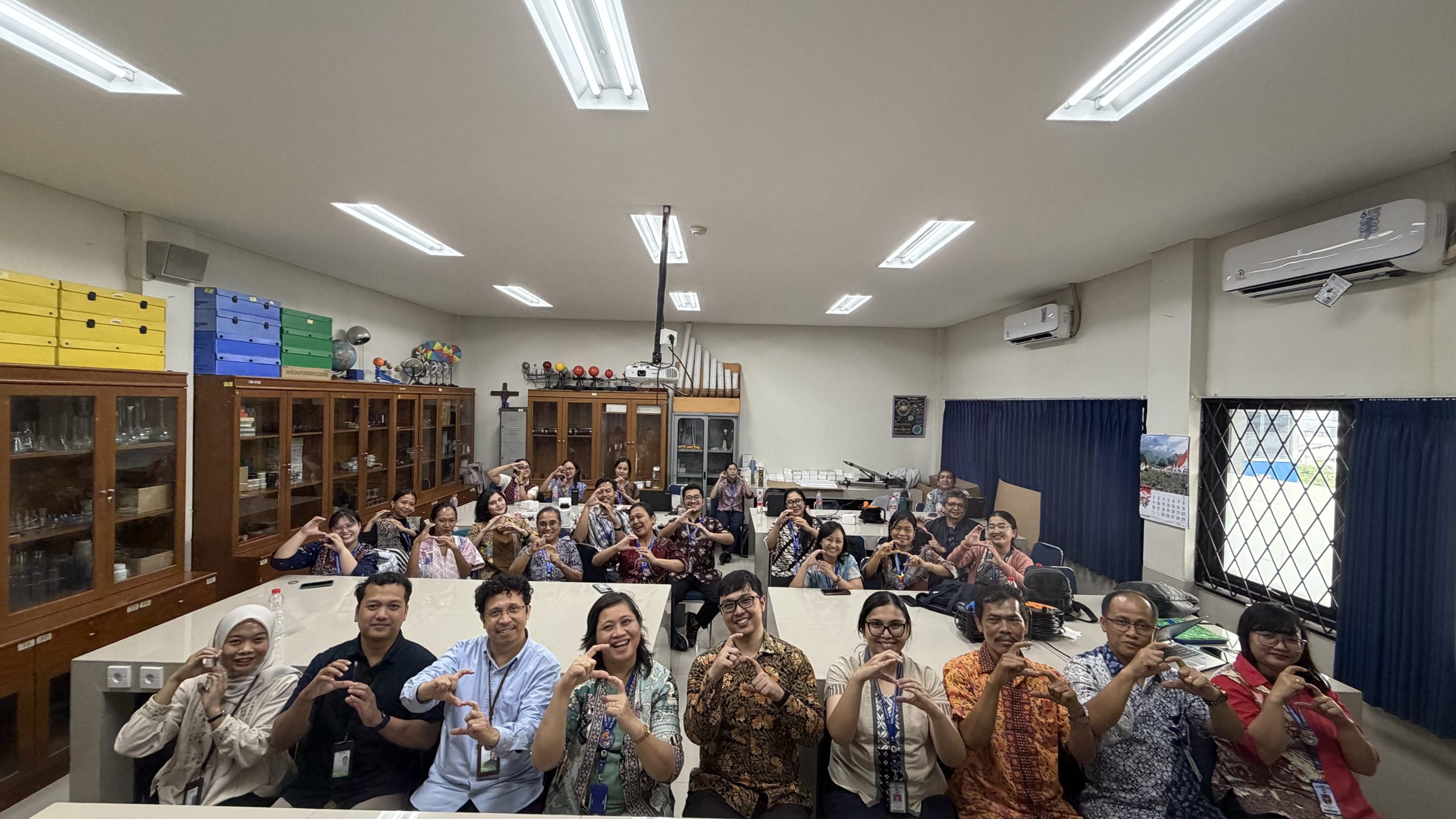
SEAMEO QITEP in Science (SEAQIS), in collaboration with BPK PENABUR Jakarta, conducted the STEM Learning Implementation Training for Junior Secondary School Teachers on 6–7 August 2026 at SMPK 5 BPK PENABUR Jakarta. The two-day training brought together 29 participants, comprising Science and Mathematics teachers, Vice Principals for Curriculum, and other relevant stakeholders from BPK PENABUR Jakarta. Beyond their roles as educators, the participants also serve as STEM facilitators in their respective schools, positioning them as key drivers in strengthening STEM learning implementation and fostering a sustainable STEM learning ecosystem within their school communities.
The training was designed to address the growing need for learning experiences that equip students with essential 21st-century skills, including critical thinking, creativity, collaboration, communication, and problem-solving. Through STEM learning, students are not only encouraged to understand concepts but also to integrate knowledge and skills from different disciplines to develop solutions to real-world challenges.
Throughout the training, participants explored the characteristics and implementation of STEM learning, STEM assessment, learning topic potential analysis, and STEM learning design. They also gained hands-on experience using micro:bit as a learning tool through exploration, programming, and technology-based solution design activities.
An important component of the training was the consultation session, which provided participants with an opportunity to share challenges they encounter when implementing STEM learning in their respective schools. Through these discussions, SEAQIS and the participants explored the underlying challenges and identified potential solutions that could be adapted to each school’s context and needs.
This approach ensured that the training went beyond conceptual knowledge and technical skills. Participants were encouraged to connect the learning gained during the training with real conditions in their schools and translate it into practical learning strategies and designs that can be implemented in their classrooms.
More than simply producing STEM learning designs, the training was aligned with a long-term vision for strengthening STEM implementation across BPK PENABUR Jakarta. STEM learning is expected to create meaningful learning experiences that empower students to become solution creators who are able to respond to various challenges in the future.
Through their roles as STEM facilitators, the participants are expected to share and further develop the knowledge and experiences gained throughout the training with their fellow teachers and wider school communities. In this way, strengthening teacher capacity becomes an important first step towards building a sustainable learning ecosystem that prepares students not only to use technology and knowledge, but also to create solutions for society in the future.
The collaboration between SEAQIS and BPK PENABUR Jakarta reflects a long-term investment in advancing the quality of education. By empowering educators today, STEM learning can create a wider and lasting impact on students, schools, and society in the years to come.
Writer: Yuliyanti and Salsabila Nadhifah
