
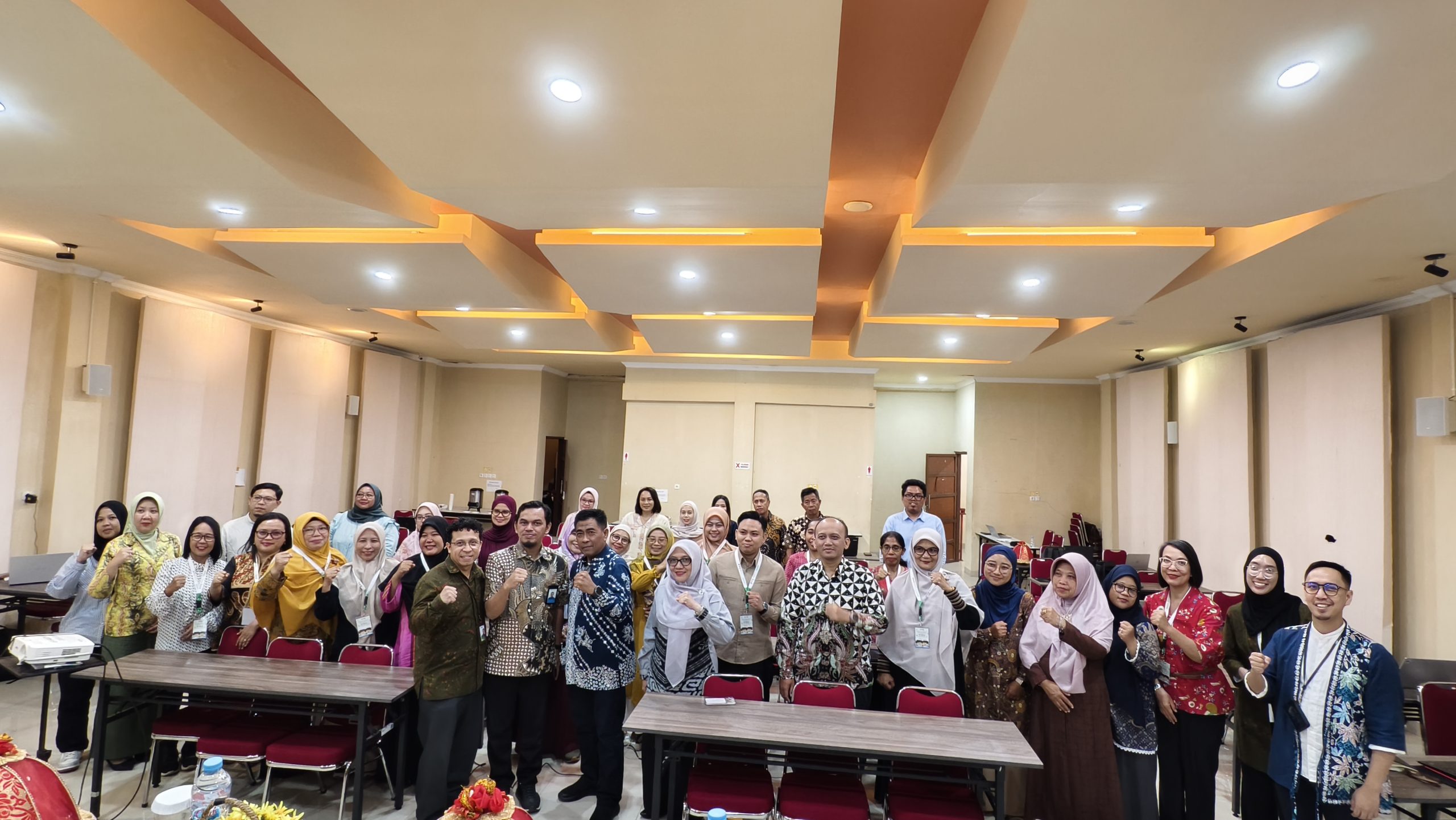
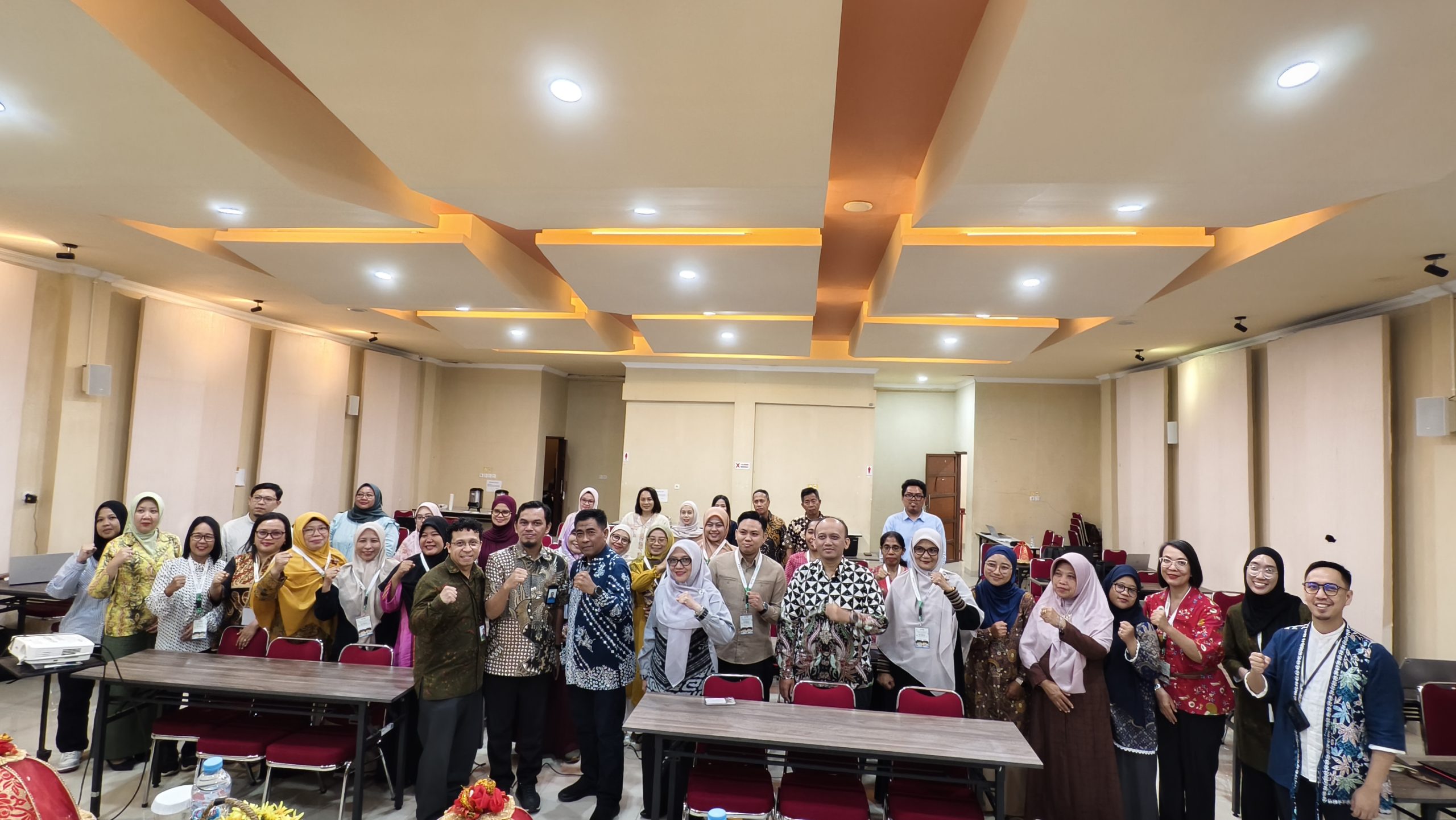
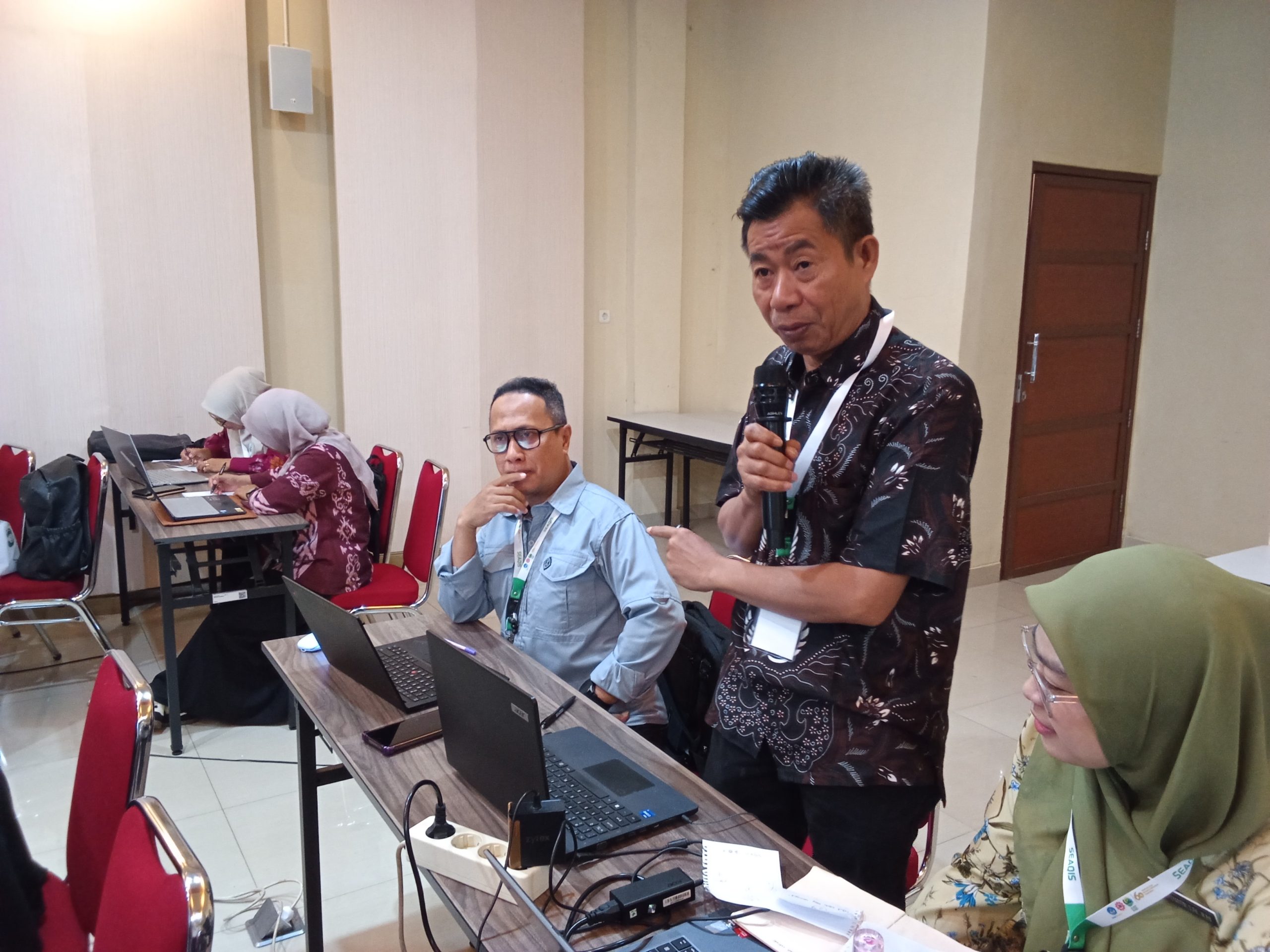
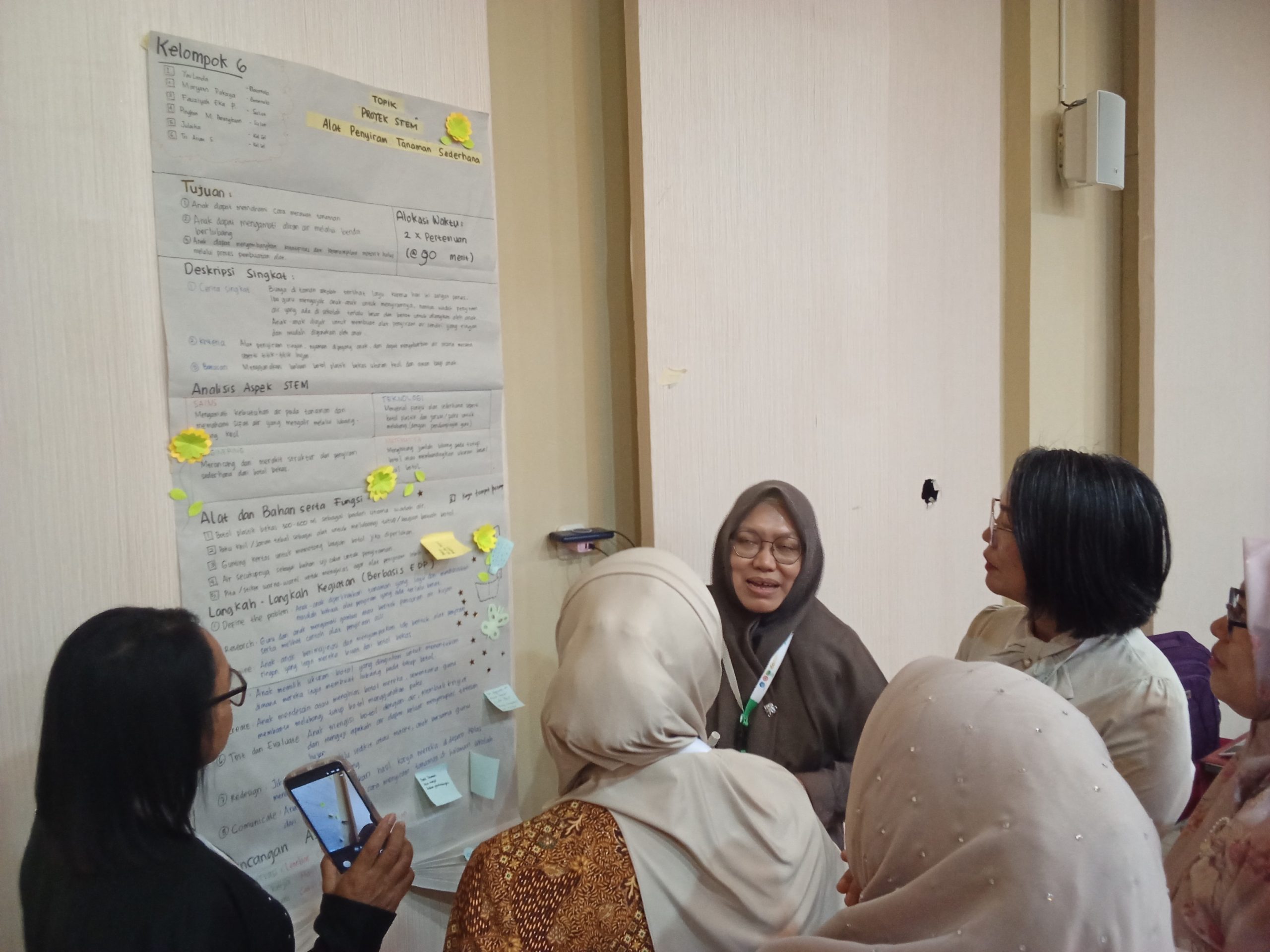
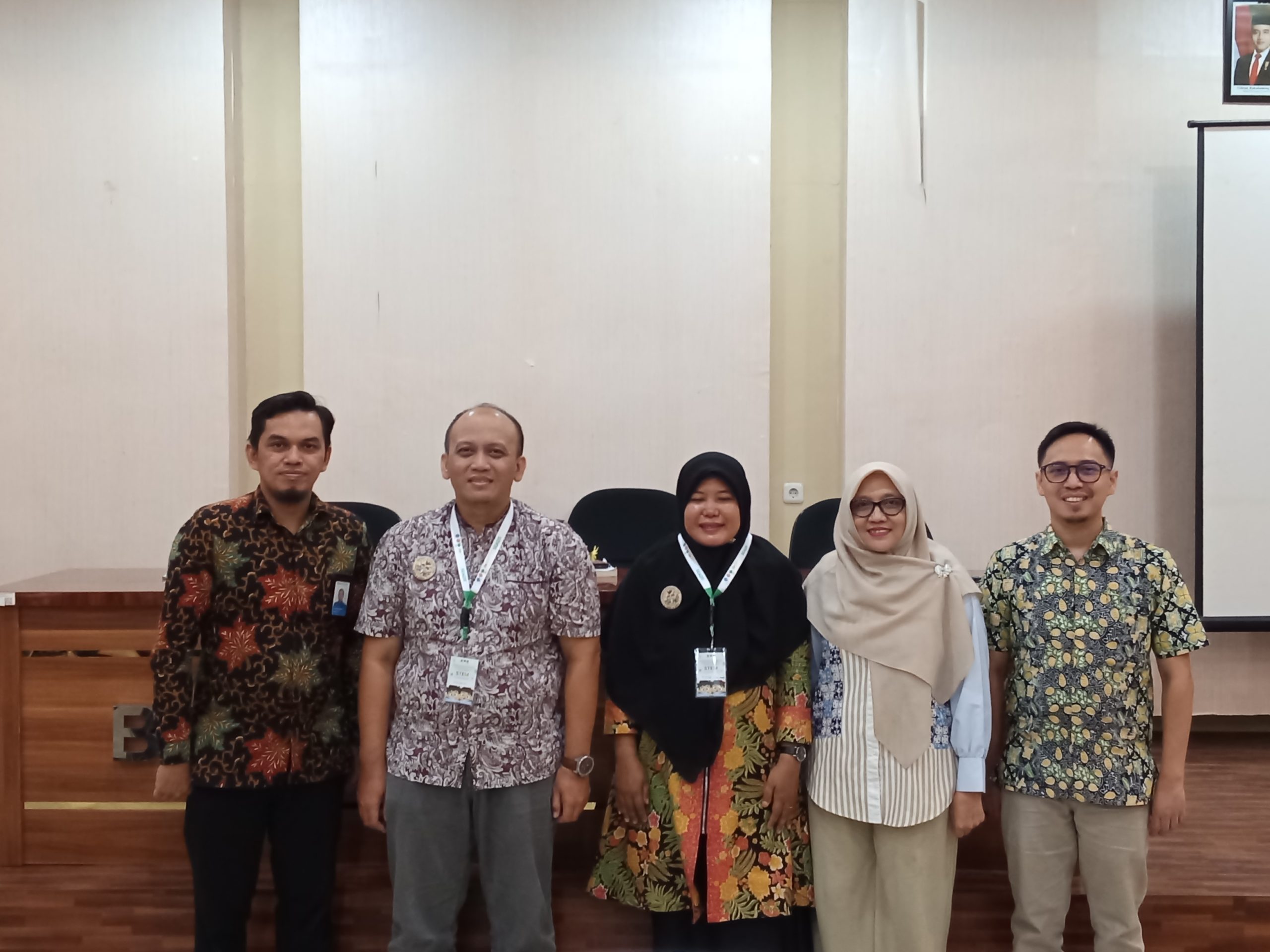
As part of its STEM Learning for Early Childhood Education (ECE) programme, SEAMEO QITEP in Science (SEAQIS) conducted a training programme on enhancing early childhood teachers’ competencies in STEM learning in the Eastern Indonesia from 25 to 28 August 2026 at BBGTK Sulawesi Selatan, bringing together 33 early childhood education teachers and education personnel from various parts of eastern Indonesia. The four-day training marked part of SEAQIS’ efforts to scale up its STEM for early childhood education initiatives at the national level.
One of the highlights of the training was the ‘Exploring the Archipelago’ learning approach, featuring Nina and Raka, the mascots of STEM Learning for Early Childhood Education. Through this approach, participants embarked on a learning journey across Indonesia, travelling from Miangas Island to Rote Island. Each island represented a checkpoint where participants completed different tasks related to STEM learning. The journey provided a familiar context for participants to explore STEM concepts while engaging with the learning process in an interactive way.
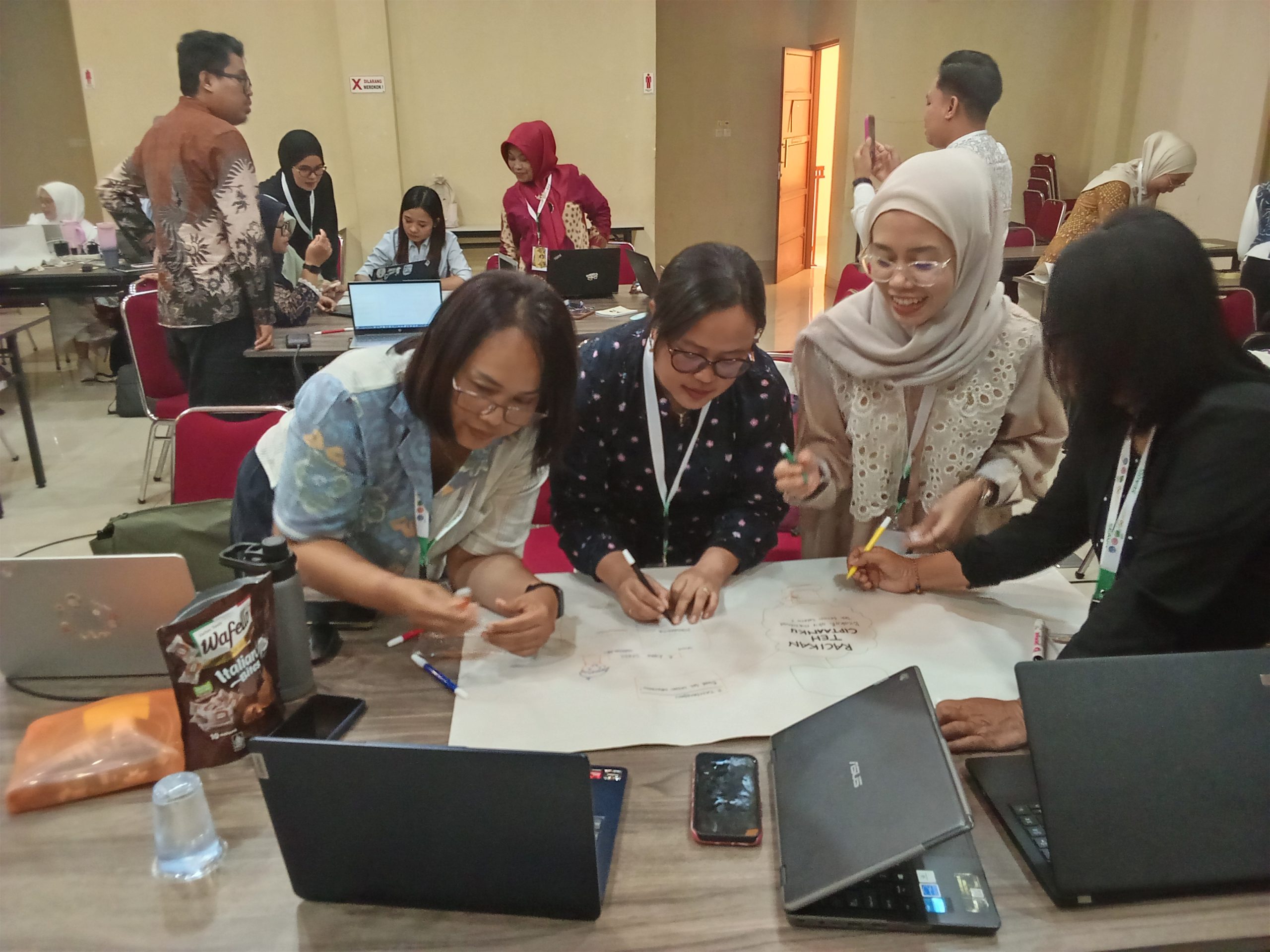
Throughout the training, participants explored the basic concepts and characteristics of STEM learning for early childhood education. They discussed their understanding of STEM, analysed everyday objects presented by the facilitators, and considered how these objects could be incorporated into meaningful learning experiences for young children. At each checkpoint, participants were encouraged to observe, discuss, and develop solutions based on the challenges presented.
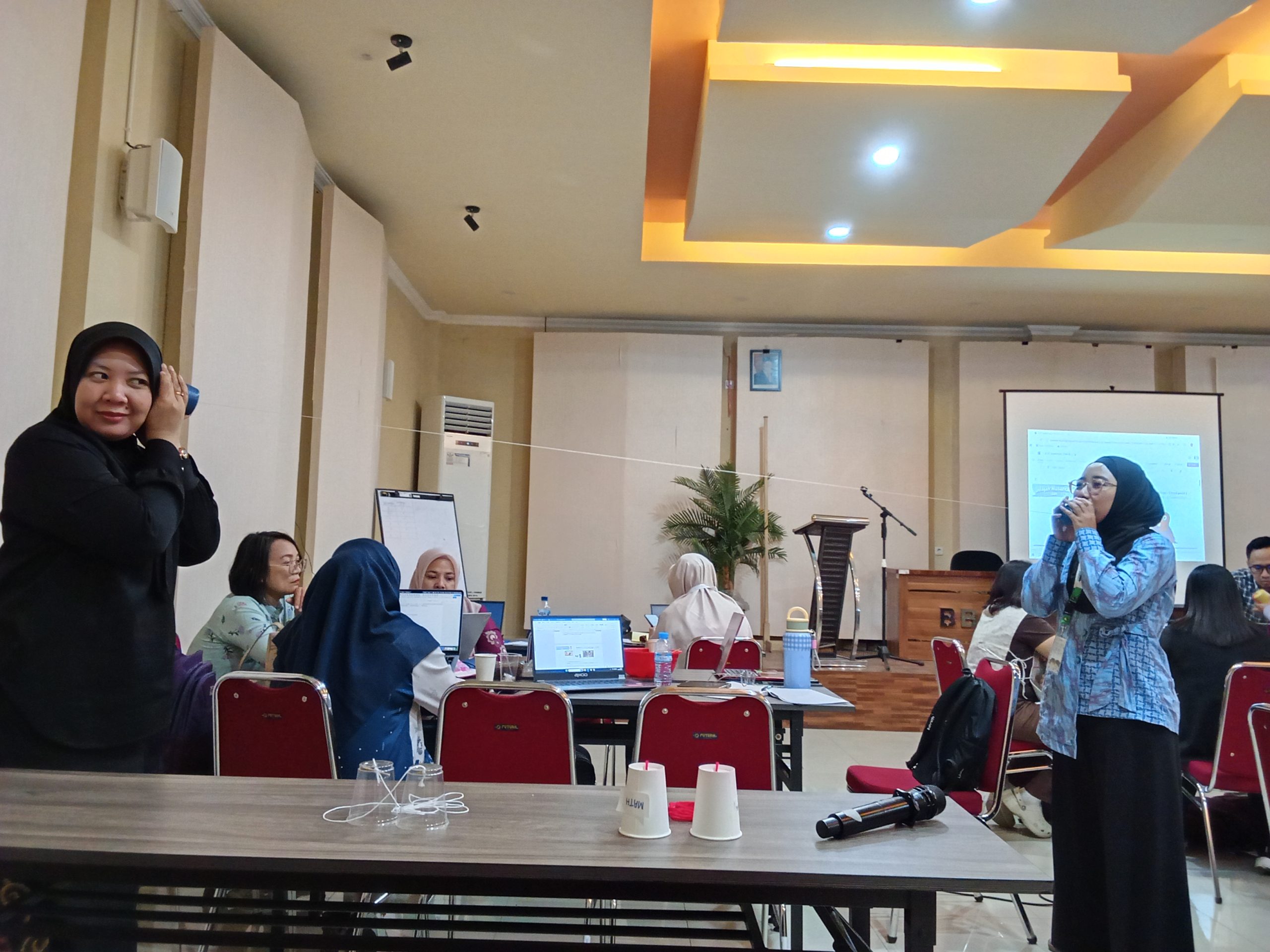
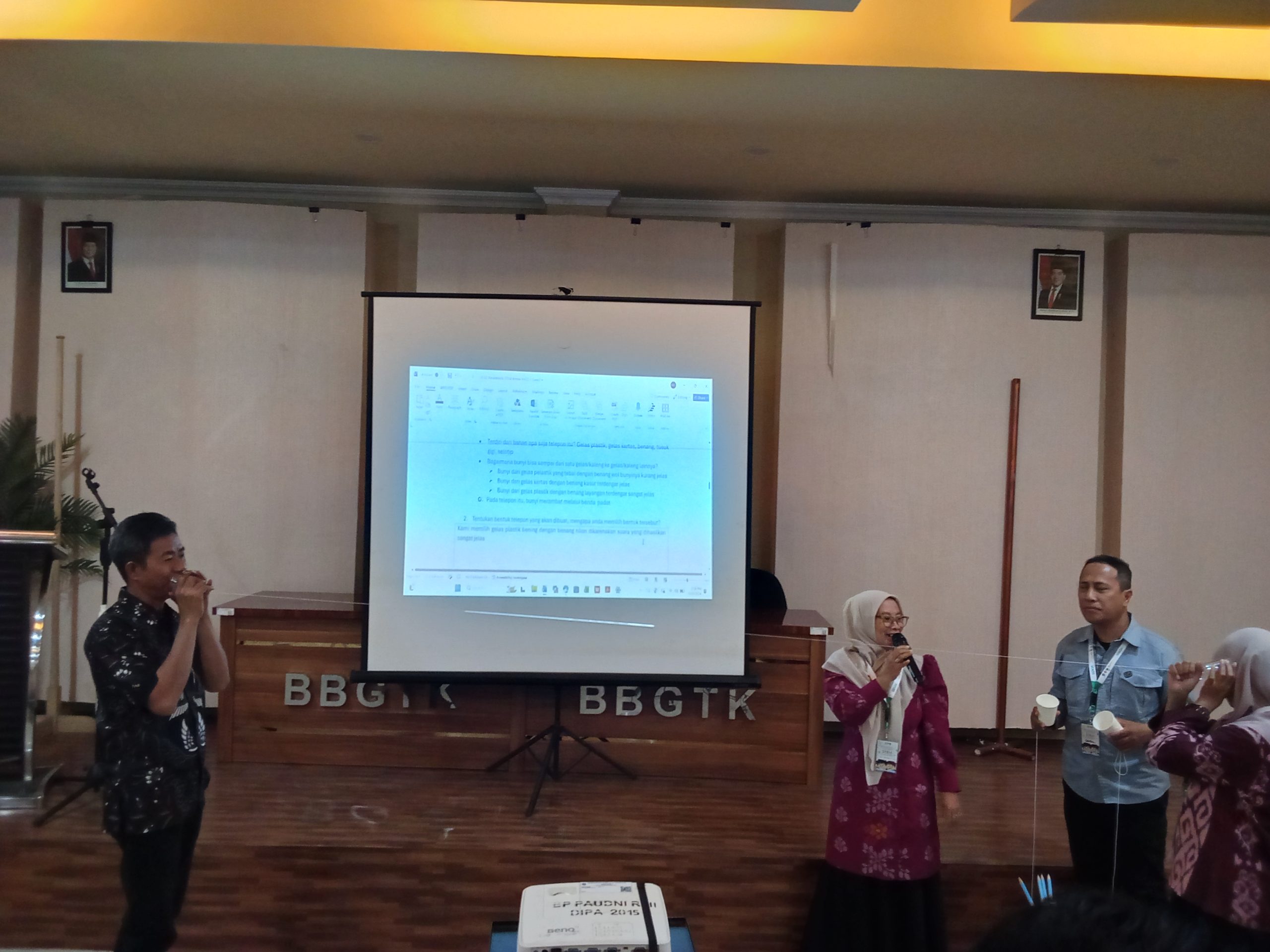
The practical sessions demonstrated how STEM concepts can be introduced through simple and accessible materials. One example was the creation of a simple telephone, which allowed participants to explore materials and how they work while experiencing the learning process from a child’s perspective. The session also reinforced the idea that STEM learning does not require complicated equipment or resources and can instead make use of materials commonly found in children’s everyday surroundings.
Participants also developed learning plans and practised implementing STEM learning that is active, enjoyable, safe, and child-centred. They reflected on the learning process and explored ways to assess children’s learning during STEM experiences. This helped strengthen their understanding of the teacher’s role as a facilitator who encourages children to ask questions, try out ideas, and learn through exploration.
The approach received positive responses from participants, particularly the use of Nina and Raka throughout the learning journey. One participant shared that children are naturally drawn to simple characters such as Nina and Raka. The participant also appreciated how the characters were combined with practical learning, making the experience more engaging and enjoyable for both teachers and children.
Through the training, participants gained not only a stronger understanding of STEM learning but also practical experience that can be applied in their respective ECE settings. The training forms part of SEAQIS’ broader effort to scale up STEM learning for early childhood education across Indonesia by extending lessons, practices, and resources developed through its previous programme initiatives to teachers in different regions. By strengthening teachers’ capacity, the training contributes to broader efforts to promote quality STEM education from an early age across Indonesia, including the eastern region.
Written by Salsabila Nadhifah
