
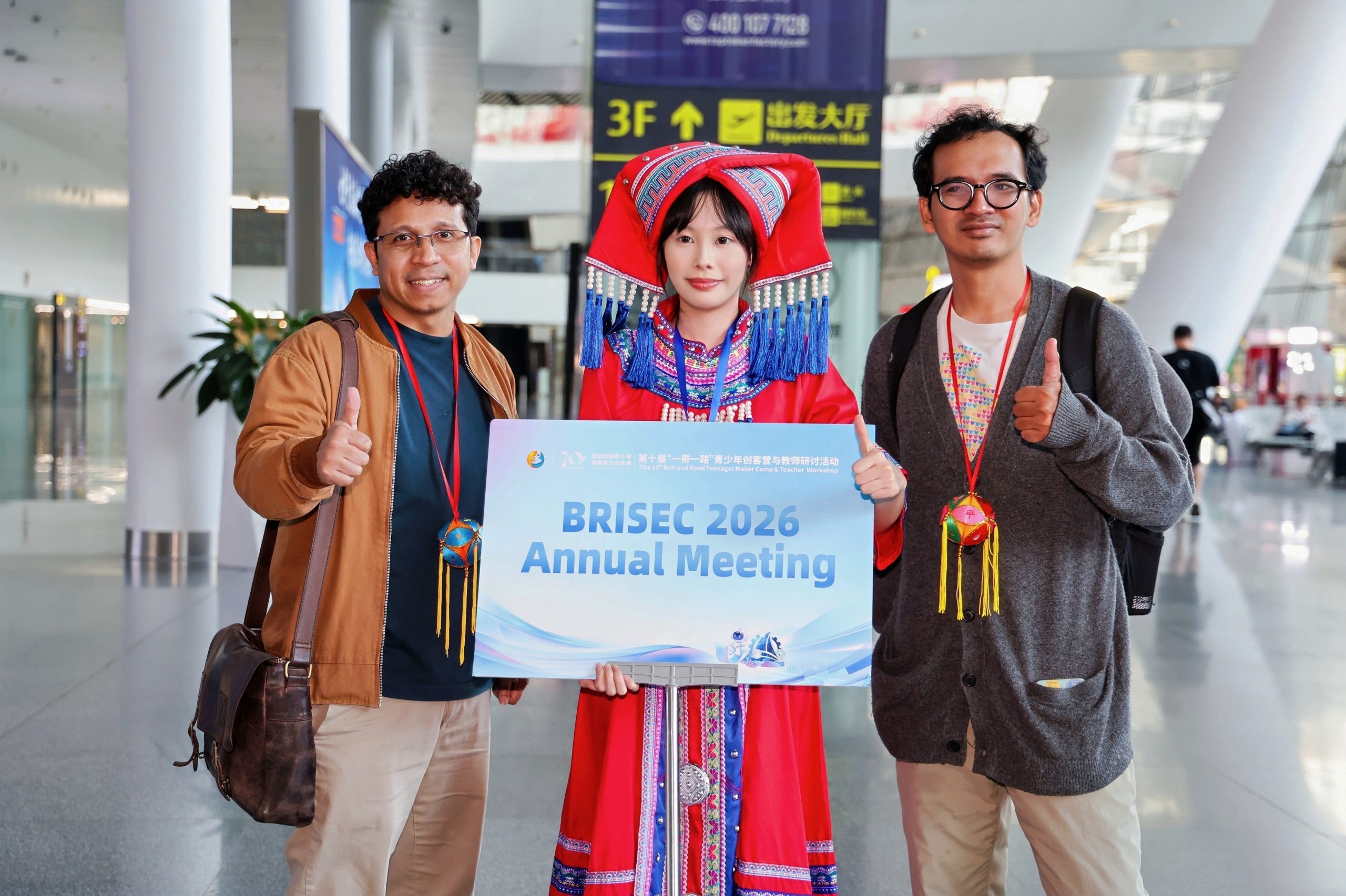

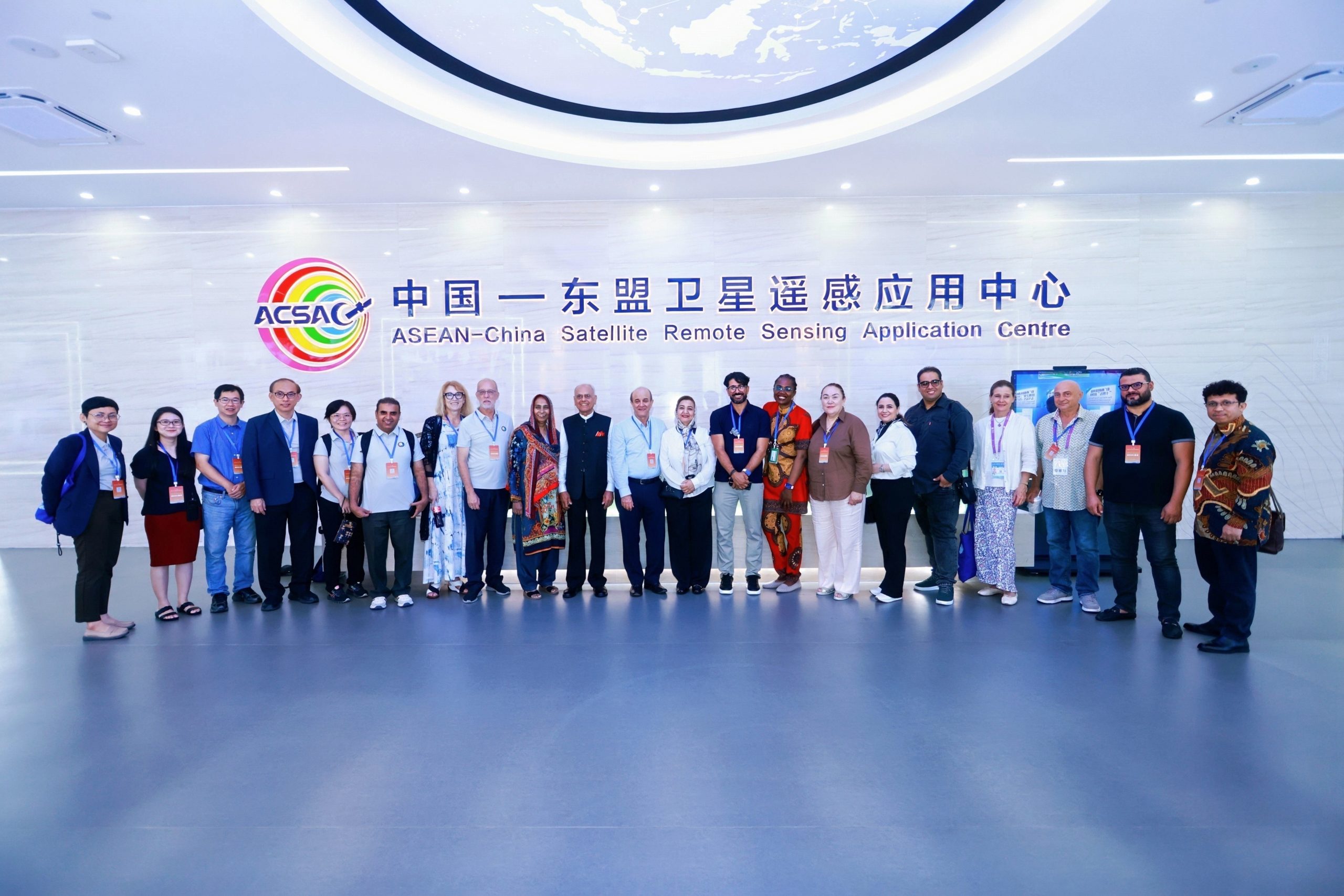
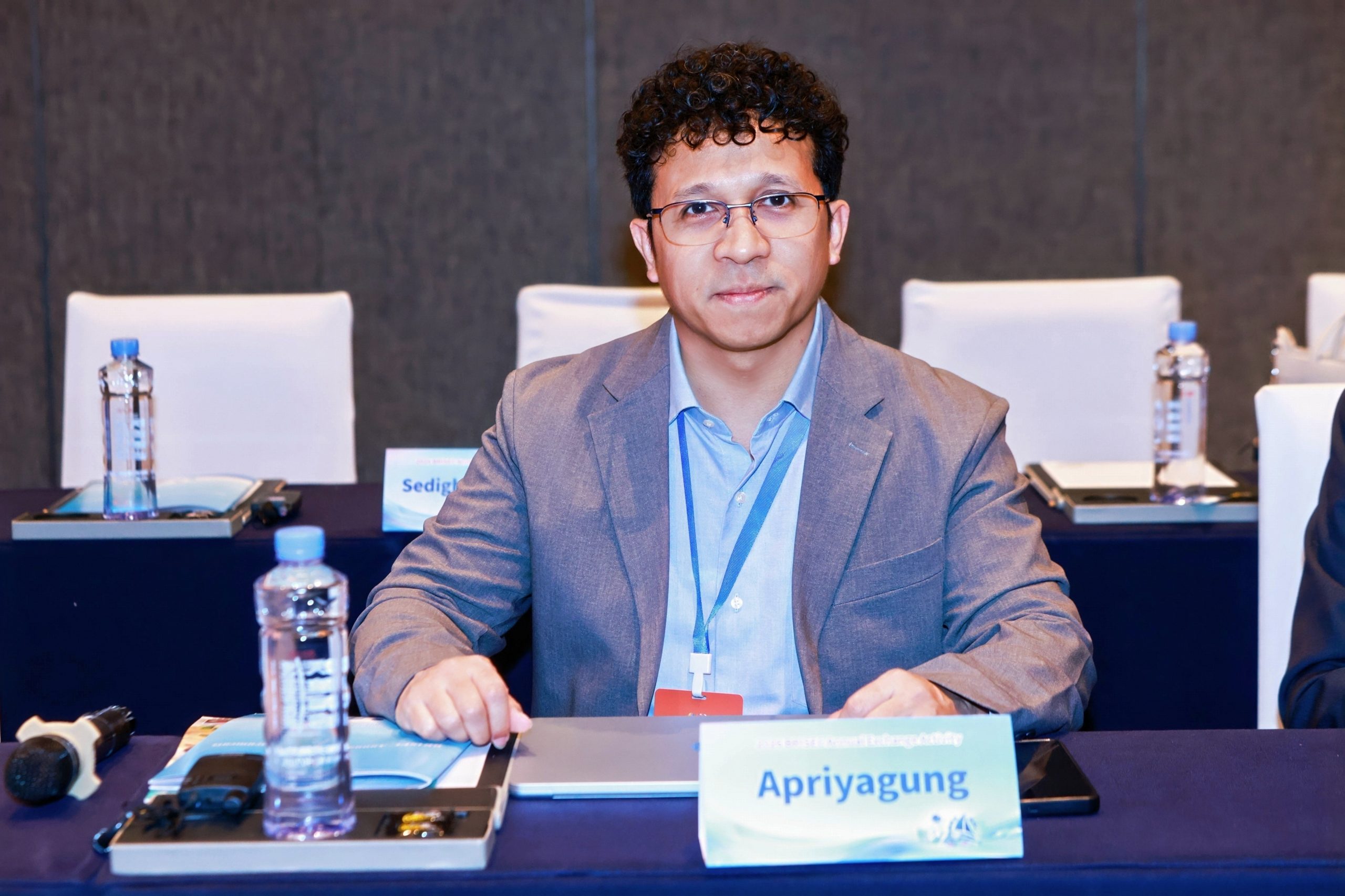
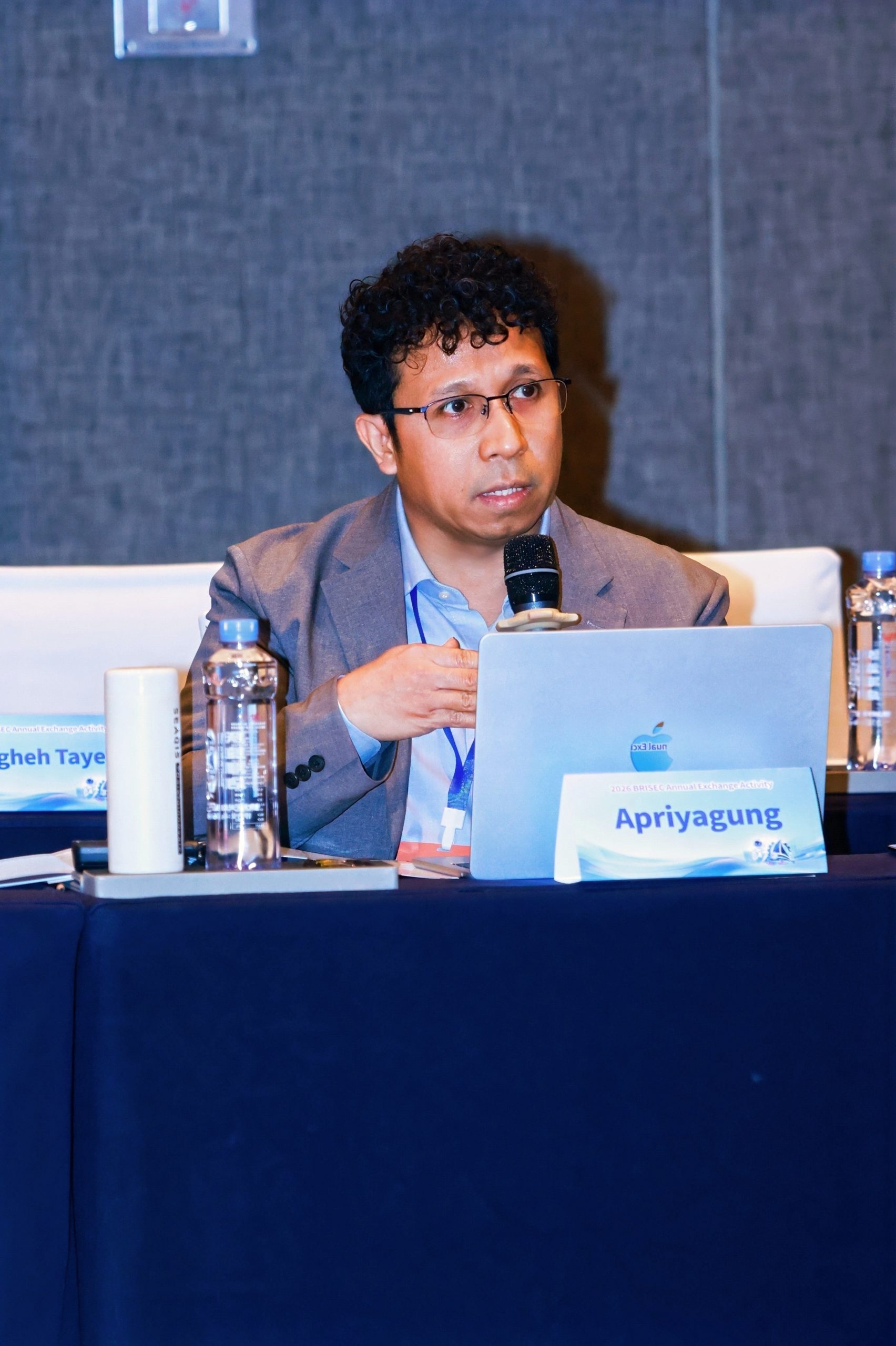

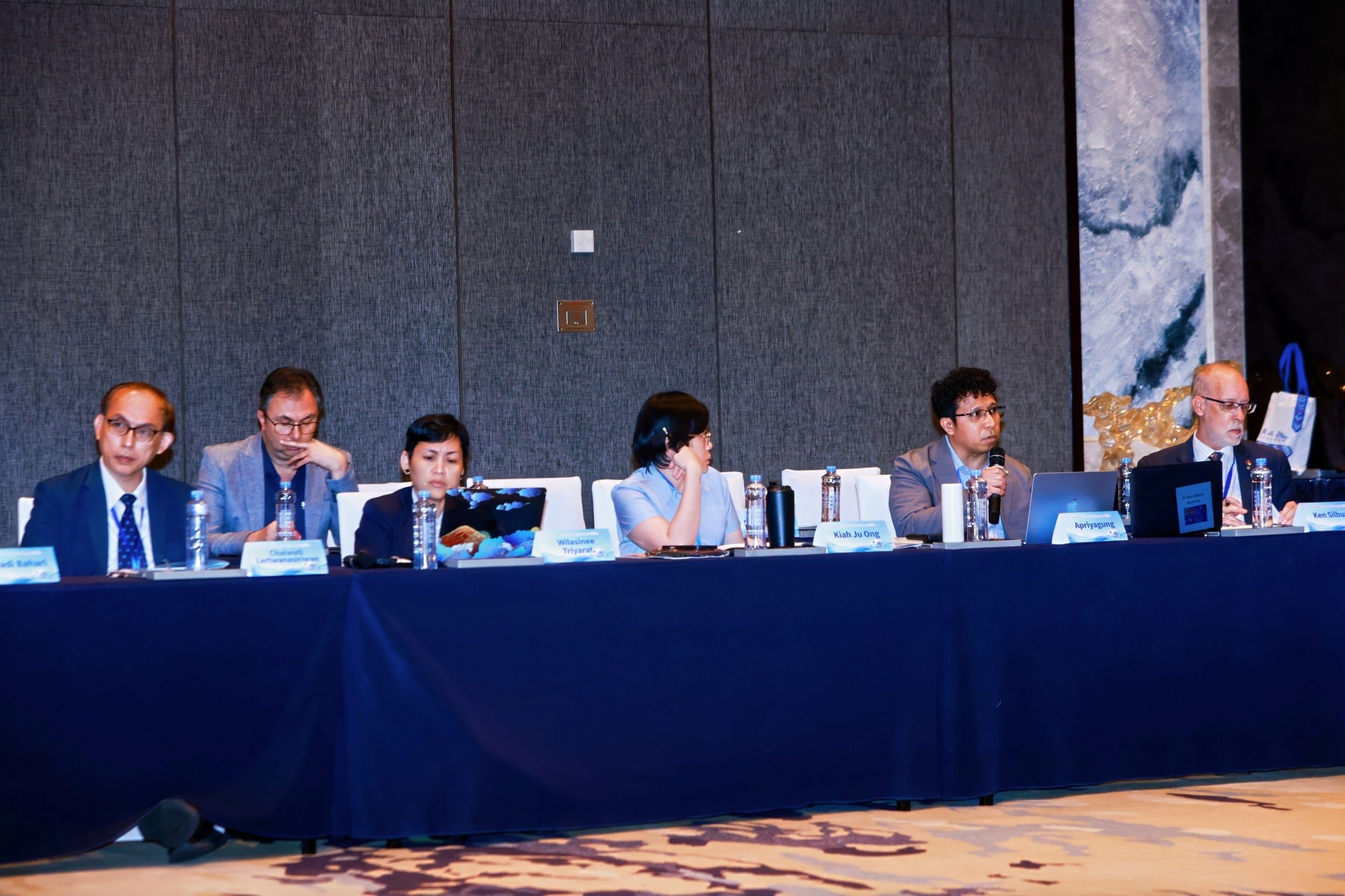
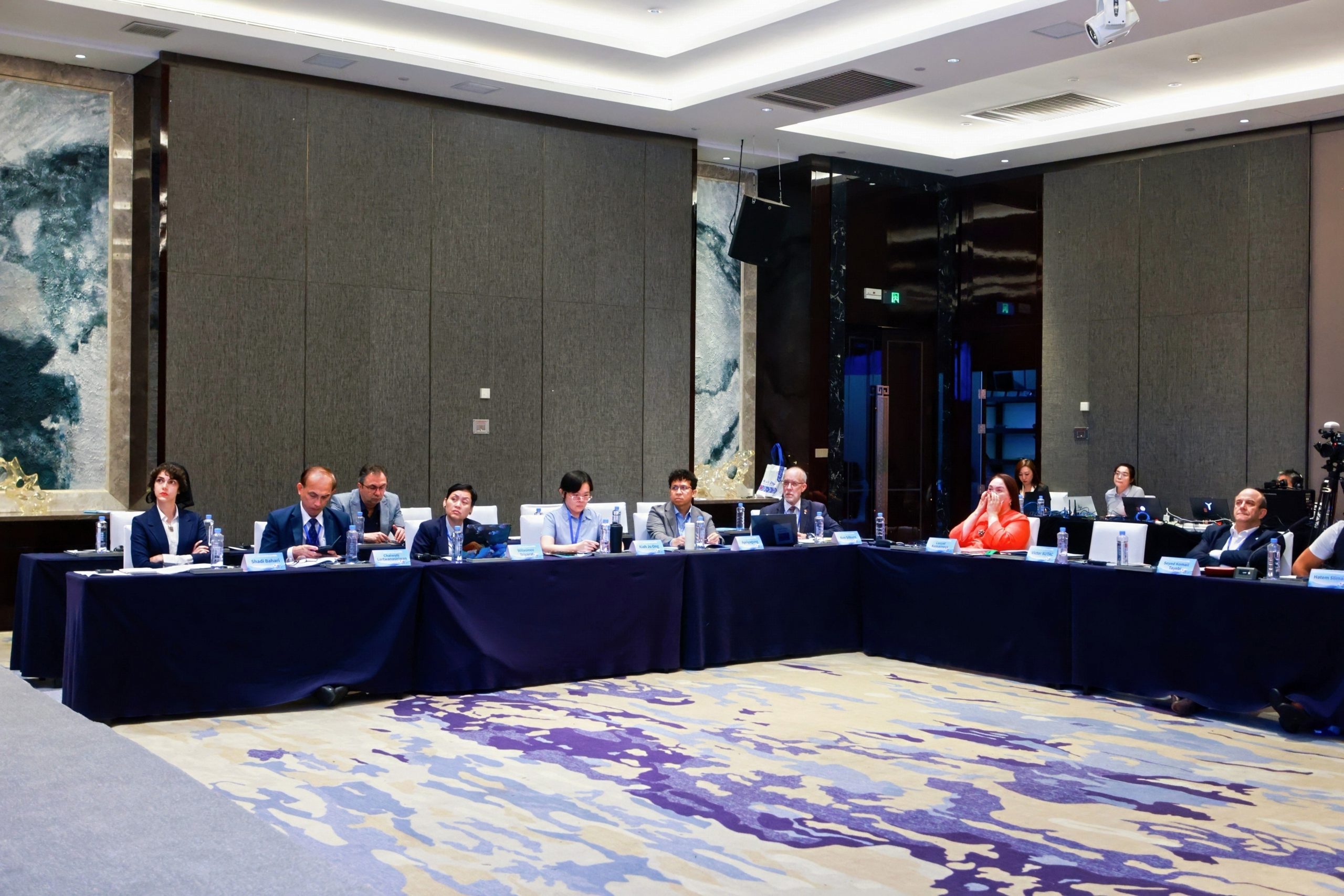
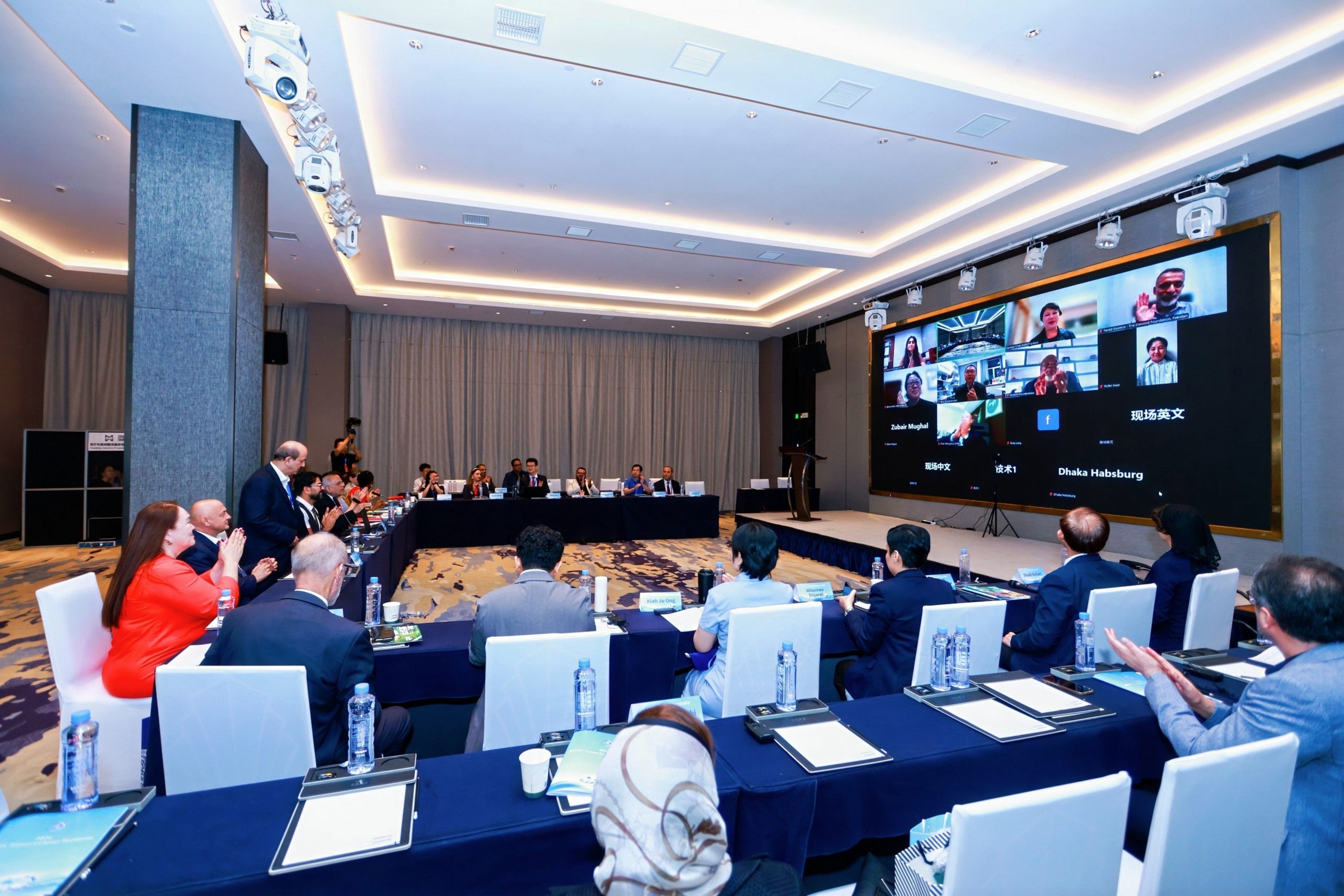
SEAMEO QITEP in Science (SEAQIS) strengthened its engagement in international science education networks through its participation in the 2026 Annual Meeting of the Belt and Road International Science Education Coordinating Committee (BRISEC), held on 22 September 2026 in Nanning, Guangxi, China. The meeting brought together BRISEC members to review ongoing cooperation, discuss future priorities, and explore opportunities for collaboration in science and technology education.
The Annual Meeting highlighted BRISEC’s continued efforts to strengthen international partnerships, knowledge exchange, and cooperation in science education and technology. Looking ahead to 2026–2027, members discussed deeper multilateral and bilateral collaboration, expanded networking among members, and new opportunities for joint programmes and knowledge-sharing initiatives.
As a BRISEC member, SEAQIS actively participated in the discussions and decision-making process, while reaffirming its support for stronger collaboration, resource sharing, and joint initiatives among members. During the meeting, SEAQIS also presented a proposal for future collaboration with BRISEC members through three potential initiatives: Regional Training Courses on Science Education, the 2027 Master Class for Science Teachers, and a Science Education Webinar Series. The proposed collaboration covers areas such as environmental education, Earth and space science, STEM learning, coding and AI integration, and inquiry-based science learning.
The proposal received a positive response from Prof. Manzoor Hussain Soomro, Vice President of BRISEC and Chair of the Annual Meeting. BRISEC welcomed SEAQIS’s contribution to science education and teacher professional development in Southeast Asia and encouraged SEAQIS to further develop the proposal in coordination with the BRISEC Secretariat.
Through its active participation in the 2026 BRISEC Annual Meeting, SEAQIS continues to expand its international partnerships and create opportunities for knowledge exchange and joint professional development in science education. The engagement also reinforces SEAQIS’ role in connecting Southeast Asian science education initiatives with broader international networks.
Writer: Salsabila Nadhifah
